Degenerative Joint Disease in Horses and Adequan i.m.
Dr. Avi Blake describes degenerative joint disease in horses and Adequan® i.m.

Dr. Avi Blake describes degenerative joint disease in horses and Adequan® i.m.

Researchers recommended bone chip removal to preserve joint health and athletic function.

Experts discuss what to do when your horse turns up with knee, hock, fetlock, or other leg joint wounds, and why.
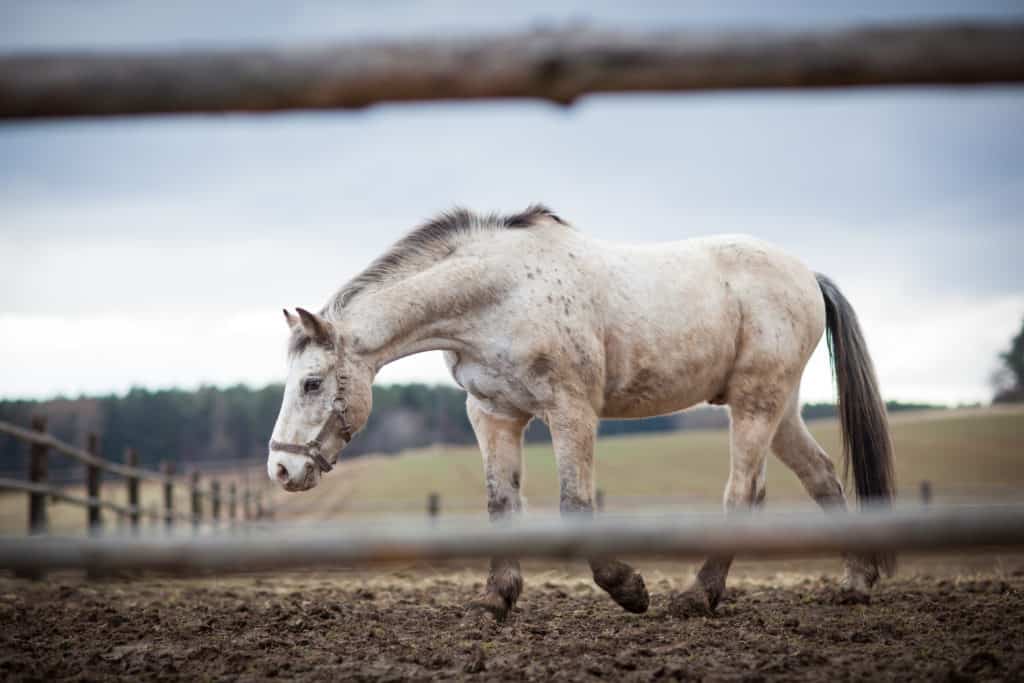
What is the most common behavior problem in aging horses? Dr. Sue McDonnell weighs in.

Horses can go lame for a variety of reasons. Here are 4 common causes of lameness and their treatment options.

When used properly, this injectable can be an effective substitute for traditional joint therapies for managing horses with osteoarthritis.

If your horse is acting naughty when handled or ridden, he might be trying to avoid pain somewhere in his body.

New research shows sport horses had increased hock angles when the hind hooves were shod and might show reduced lameness.

Researchers discussed the complications 212 veterinarians experienced after performing sacroiliac joint region injections.

Orthobiologics are emerging tools in veterinary medicine that use the body’s natural defense mechanisms to treat a variety of musculoskeletal problems.

Determining a horse’s cause of neck pain can help ensure he receives the correct treatment.

Horses might show a slight asymmetry in their gait without being truly lame.
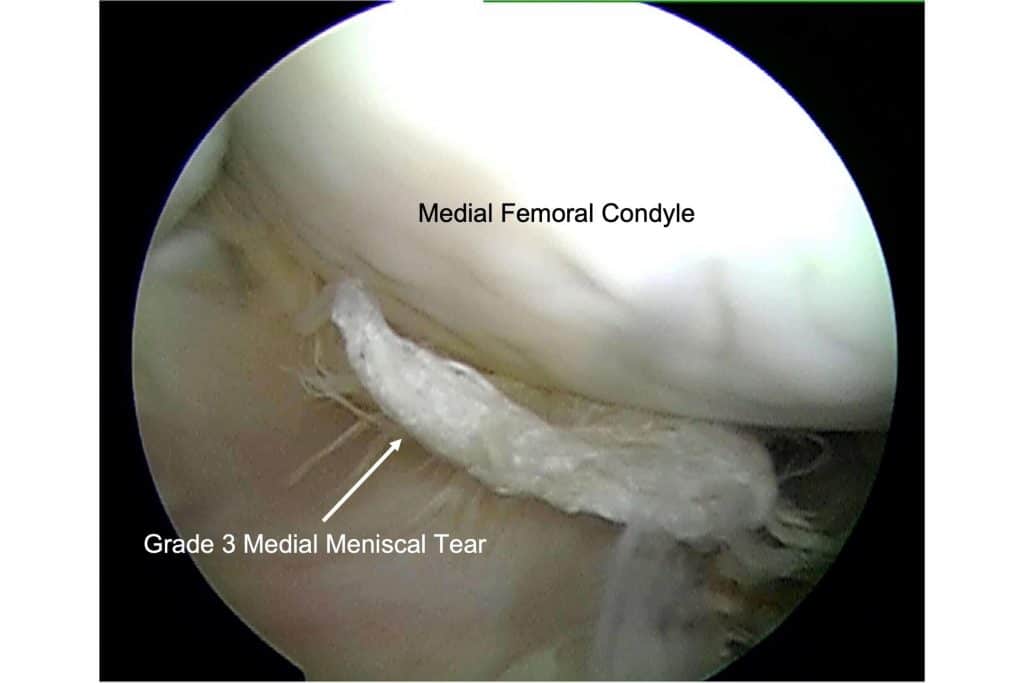
Equine meniscal injuries can cause severe pain and lameness, but if diagnosed and treated properly many horses can return to work.

While prohibited in competition horses, this anabolic steroid might help vets manage joint disease such as osteochondrosis lesions in young horses.

Here’s a look at some common pelvis problems in horses, how veterinarians diagnose them, and what treatment options are available.

Managing the magnitude and frequency of limb loading is key to keeping horses—particularly racehorses—injury-free.