Pentosan Polysulfate Safe, Effective for Arthritic Horses
A field study of the drug showed it significantly improved lameness in horses and induced no clinically relevant adverse effects.

A field study of the drug showed it significantly improved lameness in horses and induced no clinically relevant adverse effects.

Comparing ligament striations in opposite limbs via ultrasound to determine if changes are normal versus tears could lead to misdiagnosis.

The Type 2 diabetes drug might help horses with chronic hyperinsulinemia and laminitis that haven’t responded to management changes.
This stallside system might benefit horses with acute and chronic inflammatory synovitis.
Understanding how and why injuries in sport horses happen might be the best way to prevent them.

These mesenchymal stem cells might be a highly effective treatment option in horses with osteoarthritis.
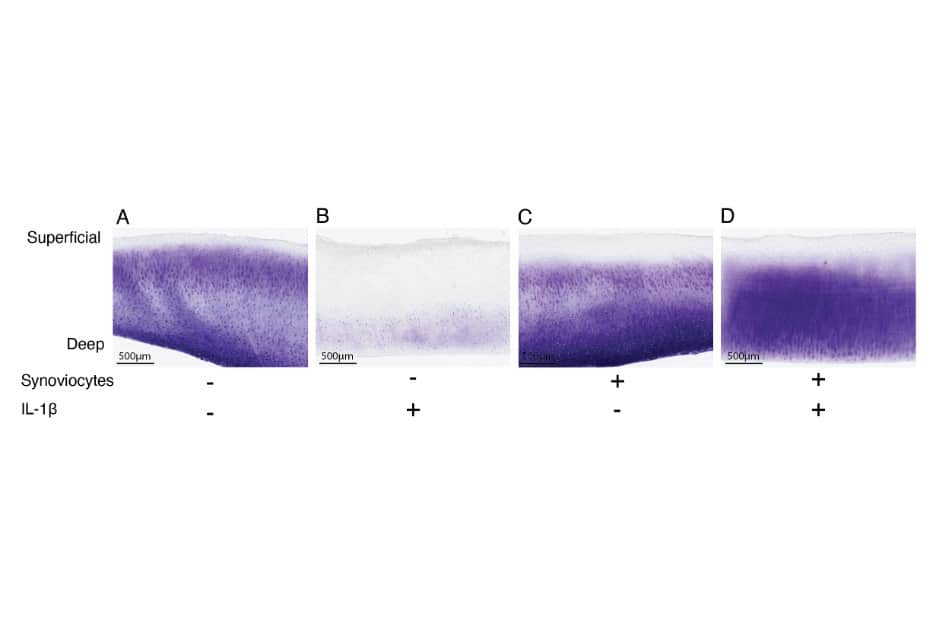
This biologic could have a protective role as a disease-modifying product for horses with osteoarthritis.

The overall incidence of laminitis due to IA corticosteroid injection might be lower than many believe.

Conventional and easy-to-use joint therapies such as corticosteroids and hyaluronic acid continue to have their place in equine practice.

A veterinarian describes the many ways to treat this complex yet common cause of lameness and poor performance.

Veterinarians might consider addressing axial skeleton adaptations when rehabbing horses with limb injuries.

Learn more about equine asthma, acute respiratory infections, and shipping fever in horses.

Veterinarians share their advice for preventing lower-limb problems and rehabilitating injured horses, from therapies to back-to-work schedules.

Prepurchase exams are an important part of equine practice. A veterinarian recommends how to achieve the best outcomes.

Perform trot-ups on both flat and sloped surfaces to fully understand a horse’s lameness.

Standing surgery allows for treatment options that might not have been possible previously due to risks associated with general anesthesia.