Teff Hay for Horses: Pros and Cons
In recent years it has become popular among North American horse owners looking to reduce the amount of sugar in their horses’ diets.

In recent years it has become popular among North American horse owners looking to reduce the amount of sugar in their horses’ diets.

After a horse has had a bout of laminitis, can she be brought up slowly on grass again? If so, how soon can this be done?

Use these disease prevention strategies to protect your horse on the farm, at the horse show, and in the breeding shed.

An equine critical care specialist shares advice for dealing with a colic while waiting for your vet.
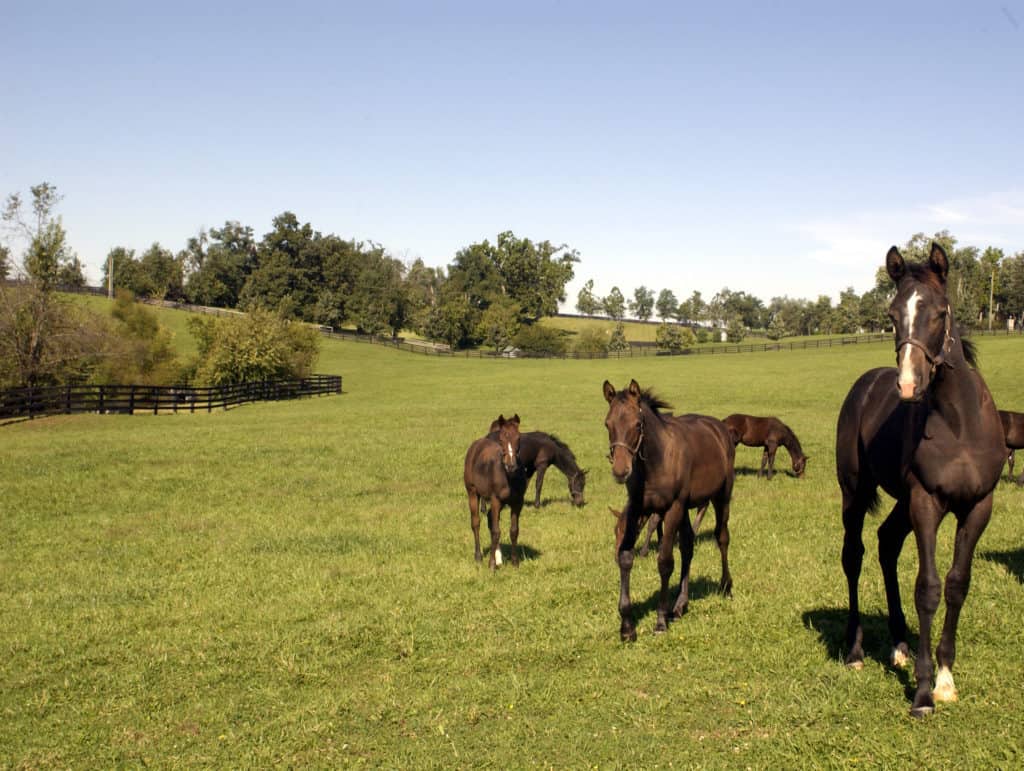
Don’t wait until your foal is weaned to plan a diet that meets his increased energy, protein, and mineral requirements.

More than four hours without feed is fasting for a horse and can lead to issues. The solution for evening feeding? Slow feeders extended nighttime “grazing” time by 95-105%, researchers observed.

Here’s how to react if your horse consumes feed designed for another animal.

Owners who struggle to provide their horses with consistently good-quality forage might be able to improve feed digestibility and topline development by offering these horses a fortified feed, researchers find.

An equine nutrition expert shares tips for feeding horses during natural disasters.

A researcher investigated how long horses spent eating when offered varying amounts of soluble fiber. Her findings could help your horse avoid health and behavior issues, such as gastric ulcers and cribbing.

Up to 93% of performance horses suffer from gastric ulcers. Is yours one of them? Here’s how to manage the condition.

Blue-green algae can produce toxins that affect the nervous system and liver. Exposed animals can die quickly, or they can develop liver failure over several days. Get tips to protect your horse.

How do you make space for horse feed when packing for a multiday trip? Our equine nutritionist offers suggestions.

One researcher saw bone changes in racehorses in training who received a supplement containing marine-derived minerals.

Learn about this important piece of the equine nutrition puzzle. Is your horse getting enough?

The researchers will weigh the elite equine endurance athletes before they travel, before they start, and during and after the grueling 100-mile ride.