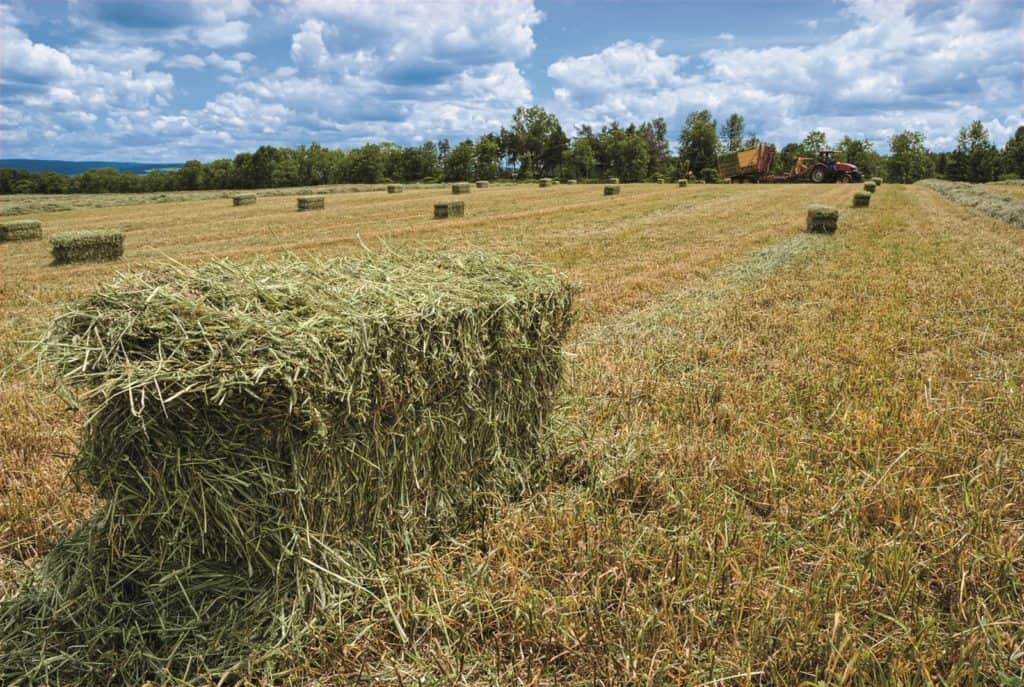
Planning Hay Purchases
Learn how to plan forage purchases with this practical guide to hay cuttings, types, and quality.

Learn how to plan forage purchases with this practical guide to hay cuttings, types, and quality.

Our equine nutritionist explains the differences between horse life-stage and feed types.
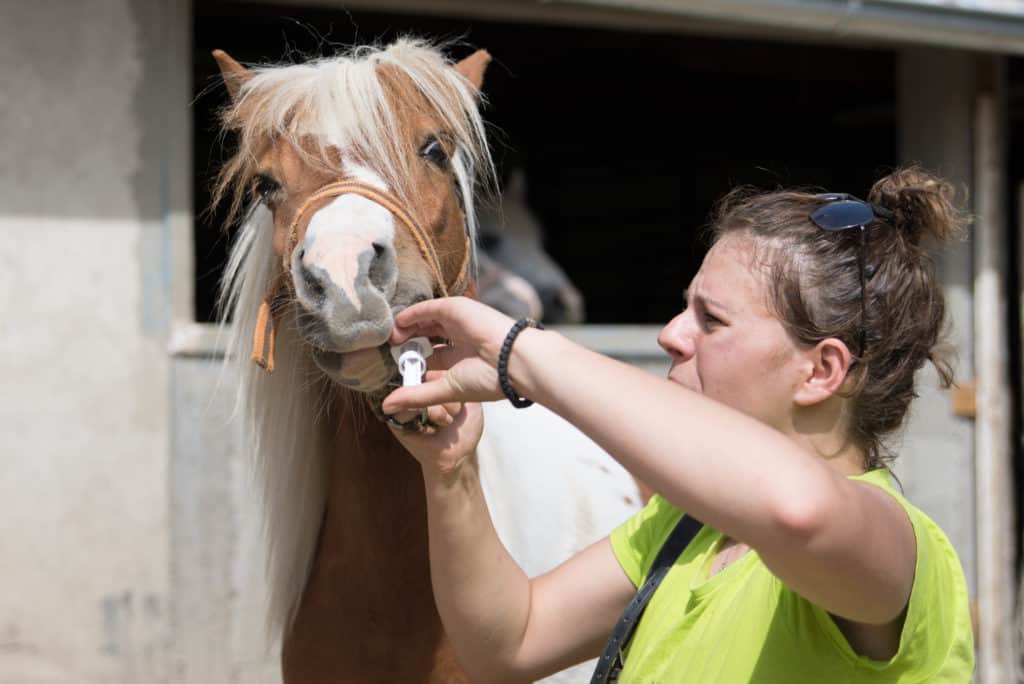
Before horses start grazing on the green grass this spring, check with your veterinarian to ensure your deworming program includes tapeworm control.

Proper spring turnout management and monitoring body condition are important steps to keeping your horse healthy.

Researchers are working to find other potential race-day therapies that can be used to manage EIPH if proposed legislation banning race-day furosemide use in the U.S. is passed.

Consider your horse’s diet when helping him make a smooth transition from winter to spring.

Make sure your horse’s diet supports his regular exercise program with these tips.

While an average 1,100-pound adult horse at rest or lightly exercised requires only 400 milligrams per day, this mineral is important to bone and cartilage development.

A ration balancer might offer the best balance of nutrients and protein for your horse during stall rest.
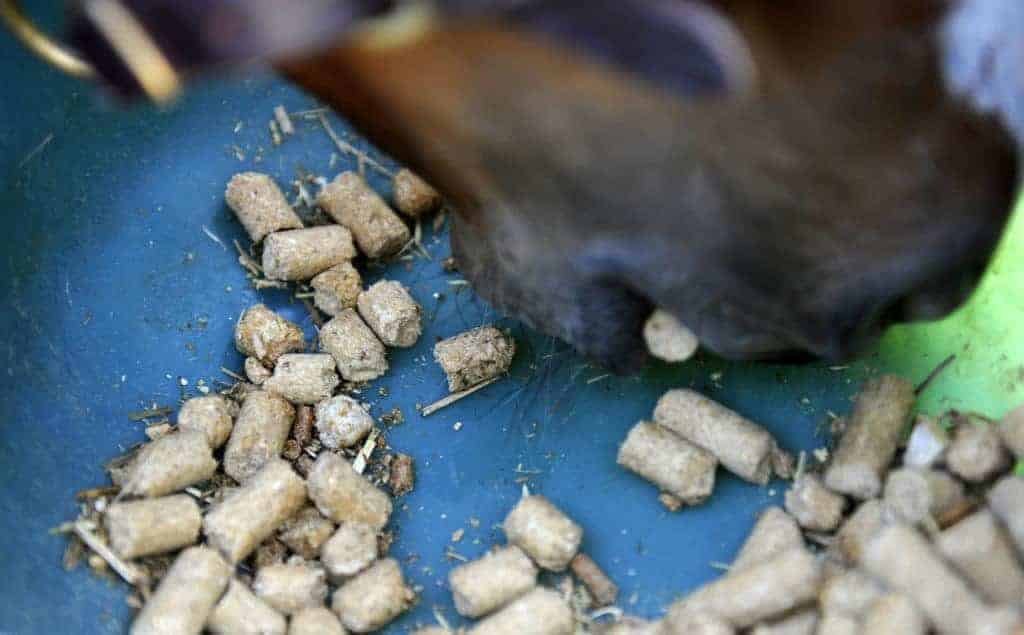
Rapidly adding concentrates to horses’ diets resulted in immediate and short-term effects on the cecal microbiome, pH, and volatile fatty acid production, reducing the cecum’s microbial diversity.

Thanks to advancements in colic diagnostics and treatment, a horse’s chances of survival and return to normal activity following surgery have never been better.

Need to stretch your hay supply? Consider adding hay cubes, complete feeds, or forage byproducts.

Learn what distinguishes PPID, EMS, and IR from each other and how to care for “metabolic” horses.

Learn more about nutrition’s role in the development and management of equine endocrine disorders and how you can reduce your horse’s risk of developing a secondary disease.

In regions with mild climates, proper pasture management can allow horses to graze throughout the year.
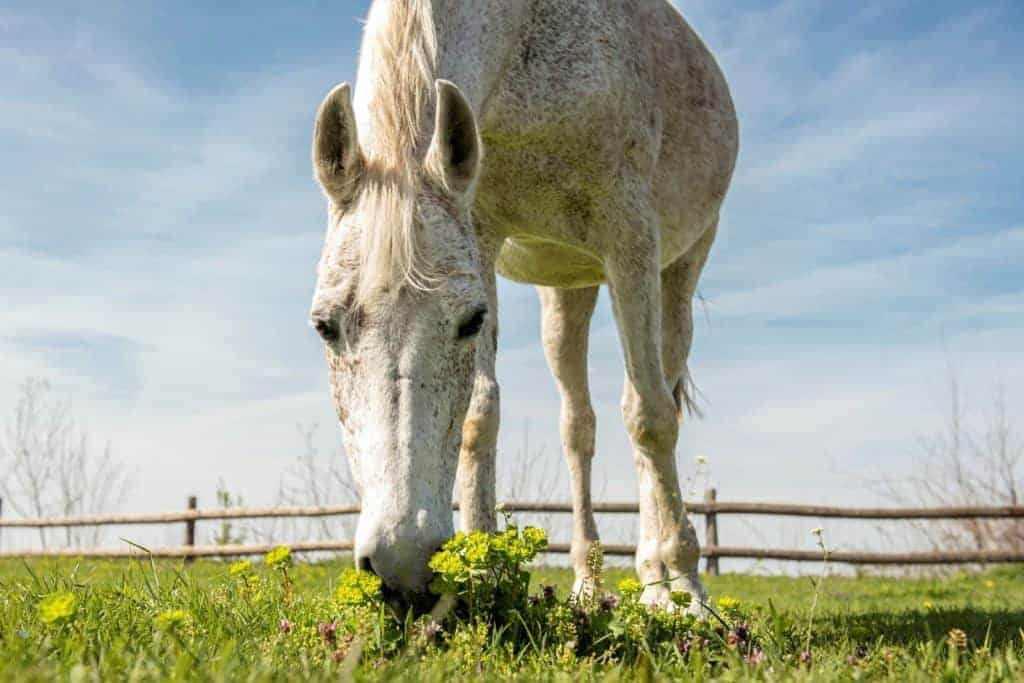
Researchers know diet, breed, high colonic pH levels, and water supply mineral content can impact enterolith formation, but how trace minerals affect the process is less well-understood.