What’s All the Hype? Feeding the Energetic Horse
Find out how some simple diet changes might help calm your hyperactive horse.

Find out how some simple diet changes might help calm your hyperactive horse.
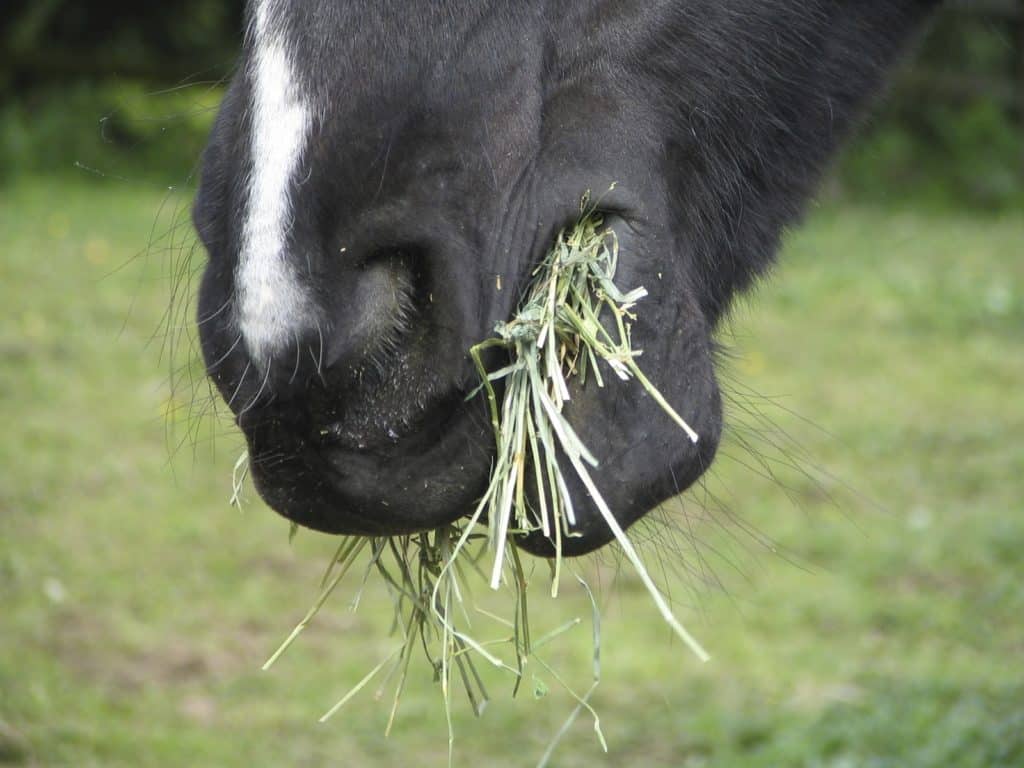
These findings help us better understand how and why horses’ teeth wear as they do, researchers said.

Find out why this grass is a popular hay for horses and how, in some cases, it might cause problems.

Minimize your horse’s risk of ingesting a deadly plant by identifying and eliminating harmful species.

Our equine nutritionist offers suggestions for finding a grazing muzzle to fit your horse.
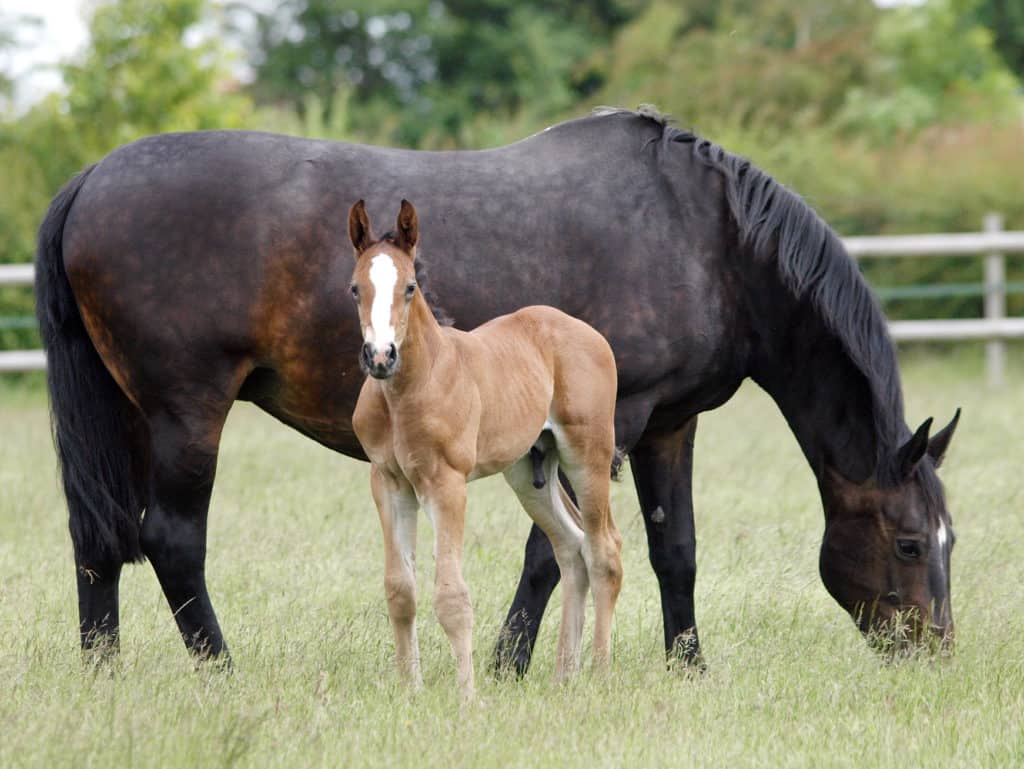
Lactating mares’ nutritional requirements increase drastically in order to maintain weight while providing nursing foals with enough critical nutrients.

This suggests old horses need an appropriate diet and management plan to help minimize the risks associated with insulin dysregulation, such as laminitis.
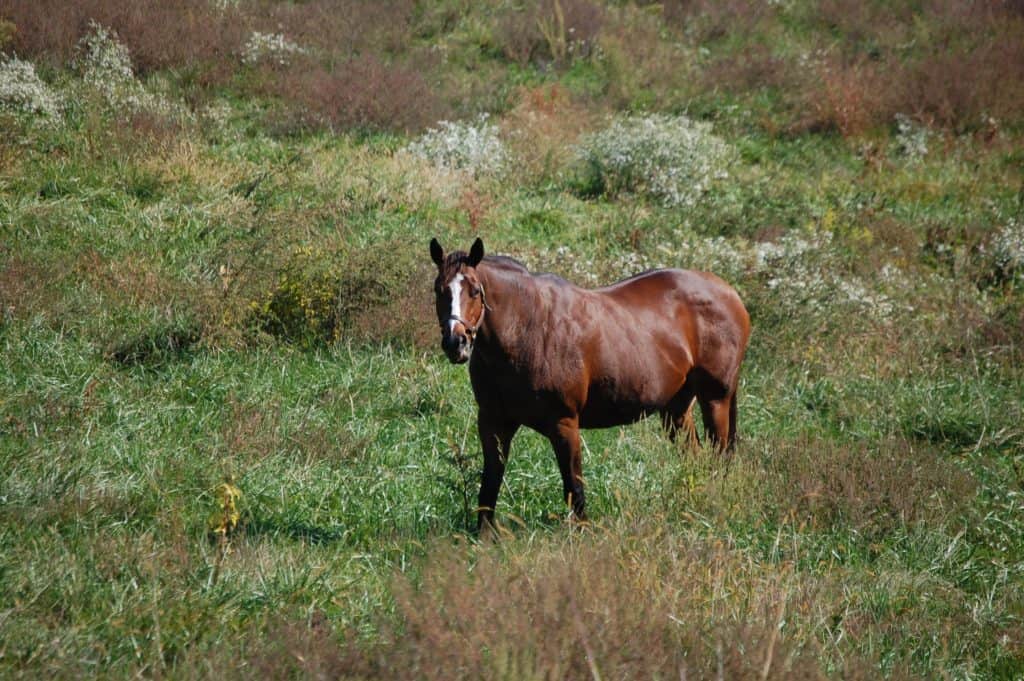
Consider these dietary changes to help reduce the laminitis risk and discuss with your veterinarian whether certain medications could help your horse.

Horses consuming crude protein at 12% of total dry matter intake excreted more nitrogen, which led to greater ammonia emissions.
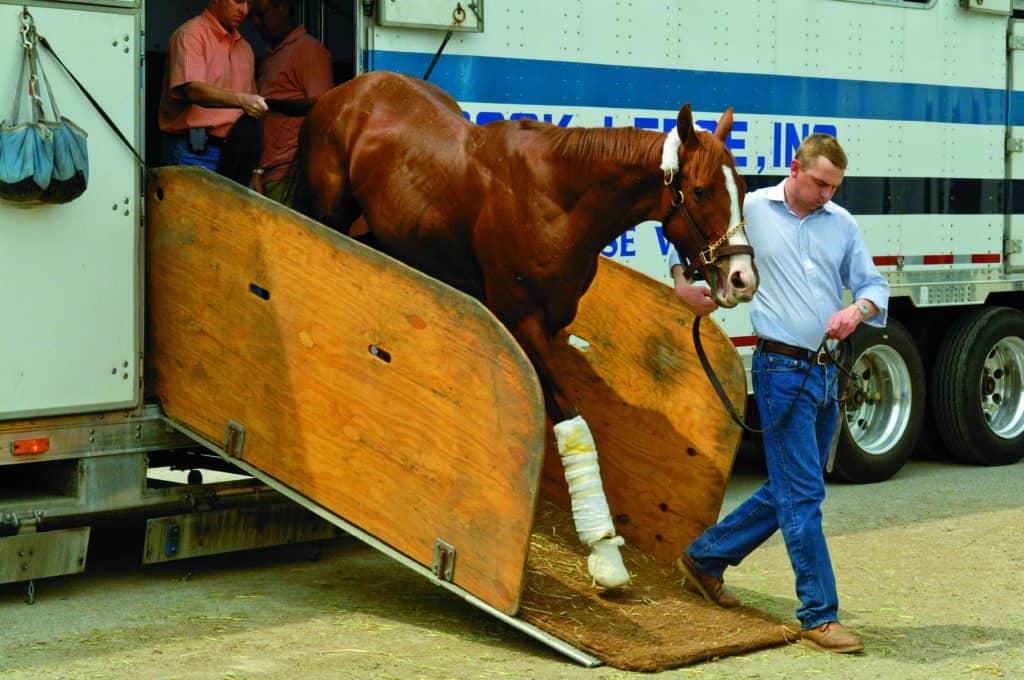
A forage-only diet and transported before exercise could positively impact horses’ exercise performance, researchers found.

An average mature horse at rest or performing light exercise requires 3.5 milligrams of iodine per day. This increases in late gestation, lactating broodmares, and horses in heavy work.

Pasture managers can take simple steps to develop a healthy root system and, in turn, a more resilient and productive pasture. Here’s how.
Speakers will present on cost sharing, weed control, rotational grazing, ryegrass, and maintaining healthy horses.
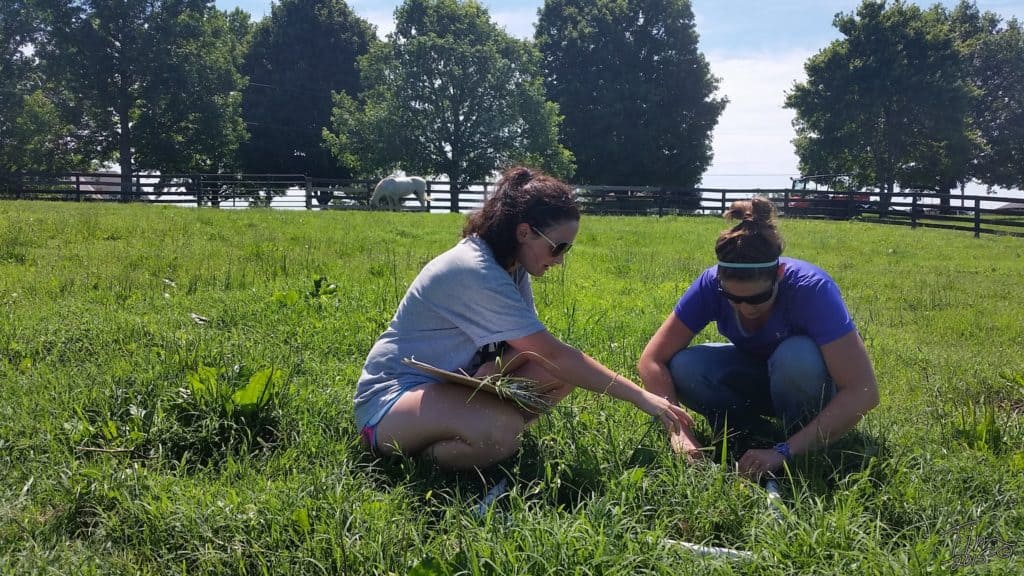
Participating farms receive detailed pasture assessments, including grass species composition and tall fescue analysis.

Dr. Anthony Blikslager reviews what to look for if you think your horse is colicking.
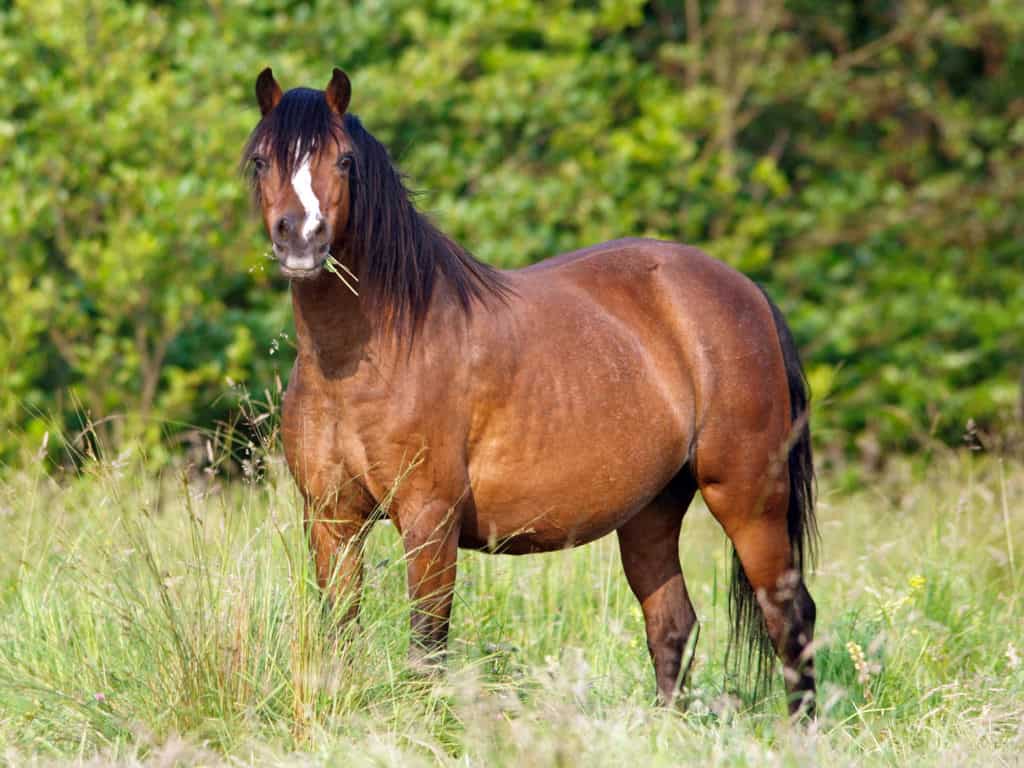
Researchers are working to help owners find ways to help their horses lose weight no matter their circumstances–from boarding facility set up issues to unsound horses that can’t be exercised.