Making a Nutrition Plan for a Performance Horse
A nutritionist explains how meeting your sport horse’s dietary needs can help keep him healthy and performing his best.

A nutritionist explains how meeting your sport horse’s dietary needs can help keep him healthy and performing his best.

Find out what researchers are learning about the biomechanics of the barefoot hoof.

When does a horse need selenium supplementation, and what’s the best way to provide it? An equine nutritionist weighs in.

Back pain and topline dysfunction can shorten horses’ careers. Learn how one veterinarian diagnoses and treats this soundness problem.

Non-steroidal anti-inflammatories are among the most common drugs veterinarians administer and prescribe to horses.

Learning to read a horse’s facial expressions and postures at rest and under saddle can help you become more sensitive to detecting pain in horses.
Can supplements improve a senior horse’s joint health once he has started showing signs of stiffness? One expert weighs in.

When do horse training methods cross the line from accepted to abusive? Despite advances in horse welfare and behavior research, abusive training still occurs.
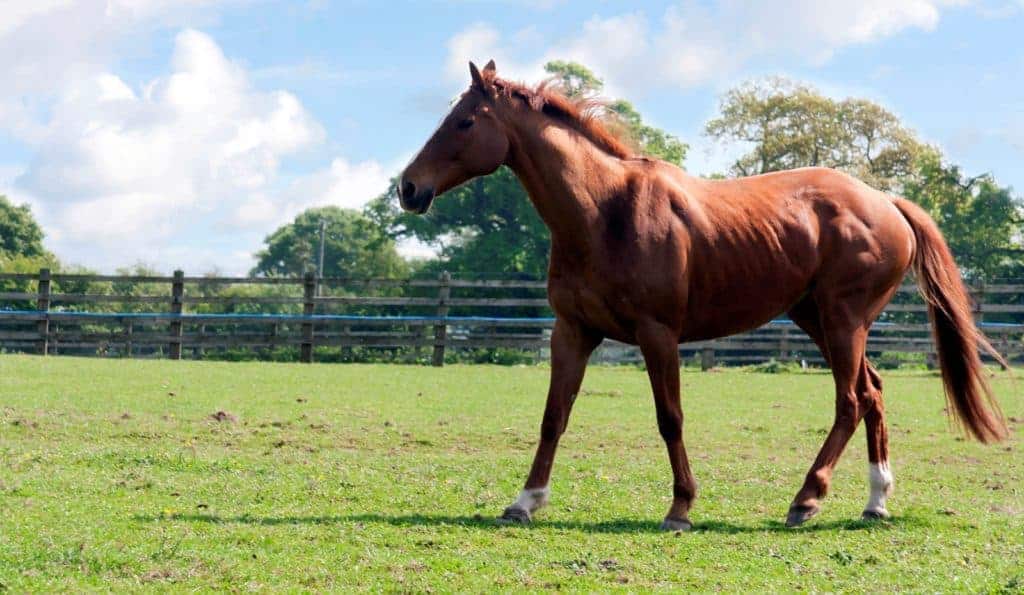
Equine osteoarthritis often develops subtly and is a common result of aging. Learn how a horse’s joints inevitably wear with age and how to keep him comfortable.

Learn about fibrotic myopathy, MFM, botulism, PSSM, and HYPP and how they affect horses.

Learn how young horses’ bodies adapt to exercise and how to prepare them for successful careers.

Recent study results show this treatment for osteoarthritis might benefit horses in both the short and long term.

Horse shows and events can act as petri dishes for infectious agents. Learn about the common pathogens horses encounter and how to protect your horse from them.

Learn what might cause back pain in horses and how to identify it during equine back pain awareness week, brought you by NexHA.

Create a systematic training program to help you and your horse reach goals while minimizing your horse’s risk of injury and mental burnout.

Regularly monitor your horse’s condition and workload to ensure his energy requirements are being met with a forage-focused diet this show season.