Feeding Horses for Joint Health
Proper nutrition can make or break joint health. Here’s what you should know.

Proper nutrition can make or break joint health. Here’s what you should know.

Supporting your horses through good nutrition, regular veterinary care, and a systematic training program can help them perform at their best. Look for competition horse management content all week brought to you by NexHA.

A nutritionist answers questions about the nutritional needs of older equids, covering topics such as senior feeds, metabolic disease, and helping horses gain weight.

Here’s how veterinarians and farriers diagnose and manage this degenerative arthritic condition.

Focusing on consistent and balanced nutrition will help reduce your horse’s stress levels at shows.

Learn about the nutritional needs of a mare with a foal at her side as she gets started back into work.

An expert reviews material showing 2.5% polyacrylamide hydrogel (PAAG) is effective, long-lasting, and safe for treating early- and late-stage equine osteoarthritis.

Is barefoot right for your horse? Learn why and how farriers transition shod horses to barefoot.

What should and shouldn’t horses with heaves (or equine asthma) eat? A nutritionist offers advice.
Many situations horses face lead to chronic stress, which can result in changes in health and behavior.

Scientists say equine veterinary hospital staff are largely receptive to using systemic pain assessments, although there are barriers to address in this process.

One expert shares 9 reasons why your horse might not be meeting your expectations and recommends taking a realistic look at both his and your athletic potential.

Learn why this antioxidant is important for muscle health and how to supplement it safely.

Helping your horse develop balance, core strength, and range of motion can be the key to injury prevention and better performance.

Find out what conditions, beyond lameness, a veterinarian might uncover during a prepurchase exam.
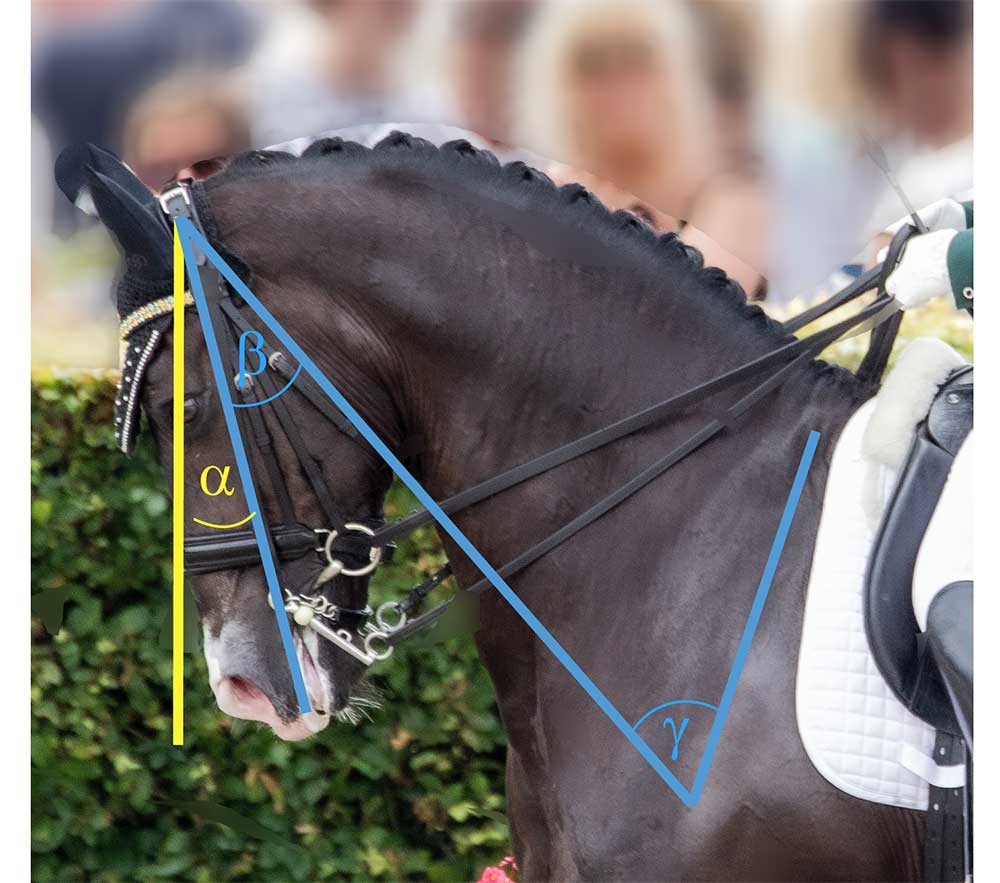
Higher-ranking international dressage riders were more likely to ride horses behind the vertical in warmup and competition, and mounts showed more conflict behaviors.