Equine Physical Therapy: What Are Your Options?
An expert lists four broad PT categories and describes the many techniques within each that can help horses recover from injury and improve their performance.

An expert lists four broad PT categories and describes the many techniques within each that can help horses recover from injury and improve their performance.

A Norwegian and Swedish study shows that autologous conditioned serum with higher levels of certain biological anti-inflammatories and growth factors is more likely to reduce lameness in treated horses.

Biomechanics expert: The wrong rehab program for a horse can be counterproductive.

Read about the existing science behind acupuncture and what you should know before scheduling an appointment for your horse.

A heart murmur diagnosis can raise many questions: Is my horse safe to ride? Is my horse going to die? Is there anything I can do? The answers to those questions usually require further investigation.
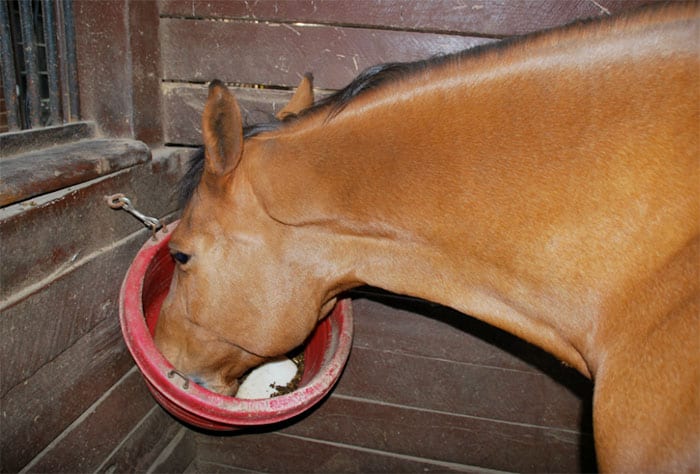
Showing, training, traveling, or even lifestyle changes can put your horse under stress that risks his health. The right nutritional choices can support his immune system, GI tract, and overall well-being. Learn how.

Horses experience changes in force on their bodies and limbs when they turn. This can affect lameness exams, making them look both more and less lame. And should racetracks be banked?
The drug used to bring mares into heat for breeding might be just as effective at keeping them out of heat when given at different doses.

Omega-3 fatty acids offer horses health benefits, but are fish sources okay for horses to eat?

Get an update on the use of stem cells in horses and research leading us into the future.

Are you confused about nutraceuticals in your horse’s diet? Learn more from our equine nutrition expert.

Dr. Amanda Adams of the University of Kentucky, in Lexington, describes her senior horse research, which focuses on EMS, PPID, and immune system health.

A genomic study of horses with CIA found the condition is highly heritable. Here’s what else the researchers learned about horses that don’t sweat.

Two fillies with facial fractures went on to high-performance careers after undergoing successful surgeries to repair their sinuses. Veterinarians based the technique on one used to repair human skull fractures.

A research team including Dr. Hilary Clayton reviewed existing studies quantifying elite dressage performance as the group works to establish a classifications system for paradressage.

A study led by Dr. Sue Dyson found signs of lameness in 73% of horses riders identified as sound. Also, nearly 50% of the horses’ saddles showed signs of poor fit.