Osteoarthritis in Lusitanos Usually Minimal, Study Shows
A new European study has shown that Lusitanos had few OA lesions on radiographs, and when they did, the lesions were relatively minor.

A new European study has shown that Lusitanos had few OA lesions on radiographs, and when they did, the lesions were relatively minor.

Researchers confirmed using resistance band systems, balance pads, and dynamic mobilization can help improve spinal muscle characteristics and postural stability.

Researchers tested pooled platelet-rich plasma lysate as a unique anti-inflammatory approach to joint preservation on lab samples.

Researchers explored the ability of bone marrow mononuclear cell (BMNC) therapy to improve lameness, with good results.

Scientists are rapidly homing in on the specific areas of the equine genome linked to this debilitating condition.

Measuring mRNA markers might offer an economical, effective, and noninvasive way to detect horses at risk of catastrophic injury.

Lame horse? Advanced diagnostic and management strategies for navicular syndrome have improved long-term outcomes.

Dietary deficiency of vitamin E can lead to three specific neurologic and muscular diseases. Find out if your horse is getting enough.
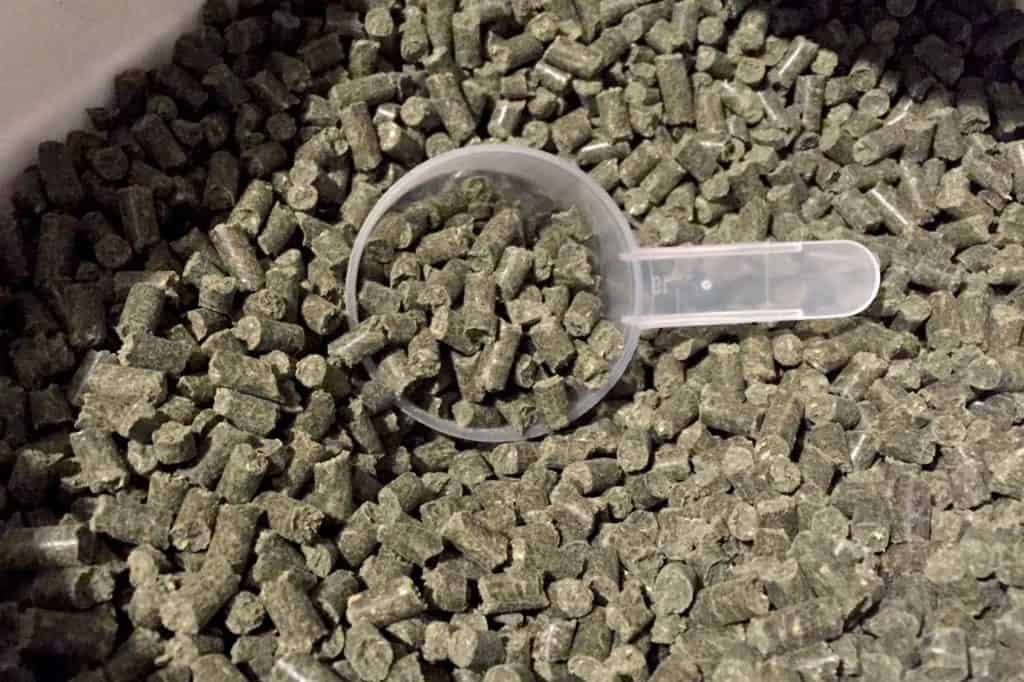
Researchers investigated if two common joint supplement ingredients contribute to worsening gastric ulcer scores in horses.

A review of research into laminitic pain in horses found veterinarians rely on a multimodal approach for pain management.

While researchers have used pressure mats for years to visualize the kinds of pressures occurring between a horse’s back and a rider’s seat, the technology is now more accessible.
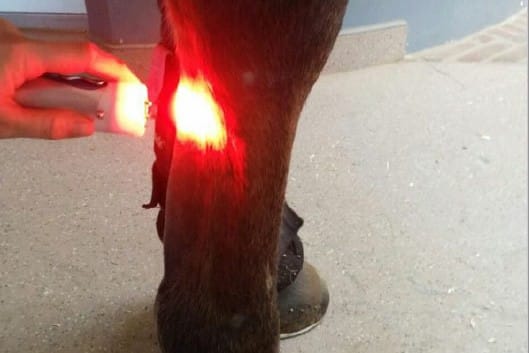
In a standardized-lesion-induced model, veterinarians found high-powered laser significantly reduced enlargement of lesions on ultrasound and increased signs of healing on Doppler and MRI.

The 2 goals of an equine back treatment plan are breaking the pain cycle and increasing strength, function, and stability.

Researchers found that 37% of the nearly 150 Warmblood horses they examined had at least one lesion on the nasal bone, and nearly 14% had at least one lesion on the mandible (lower jaw).

Does your horse need a dollop, dab, pinch, or peck? Learn to formulate a diet based on your horse’s age, body condition, and health status.

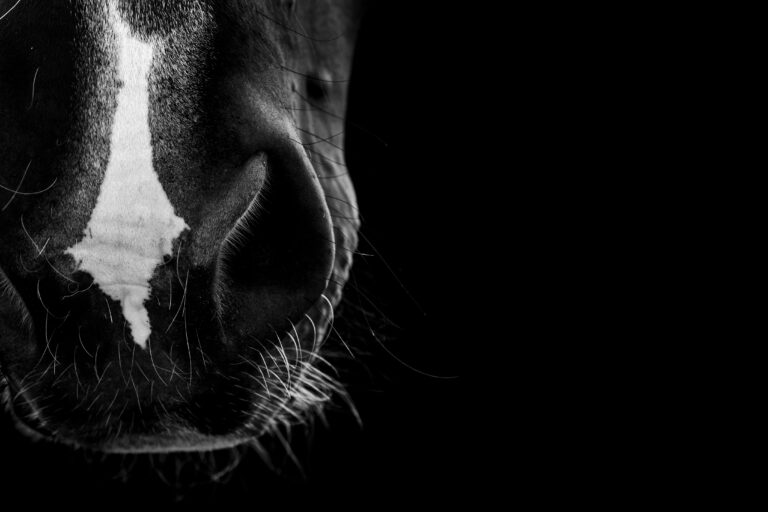
The Horse asked researchers and equestrian federation representatives for their takes on the new FEI rule banning shaving of facial vibrissae, which are sensory organs commonly called “whiskers.”