A Quick Guide to Micronutrients for Horses
Though they make up only a tiny part of horses’ diets, micronutrients play big roles in major physiological functions, ranging from bone and muscle performance to digestion to hormone signaling.

Though they make up only a tiny part of horses’ diets, micronutrients play big roles in major physiological functions, ranging from bone and muscle performance to digestion to hormone signaling.

Sesamoid injuries in horses can be difficult to repair and even catastrophic; here’s what can go wrong and how to prevent it from happening.

Human nutritionists encourage eating whole foods and avoiding processed ones. Does the same logic apply to our horses?

Neither a pandemic nor protesters could stop the tradition of Thoroughbred racing’s best 3-year-olds battling it out down the stretch at Churchill Downs, where Authentic upset favored Tiz The Law to win the 146th running of the Run for the Roses.

Also known as “forging,” horses with overstrides can injure themselves and pull shoes when their hind feet make contact with their front legs. A vet offers advice on how to prevent problems.
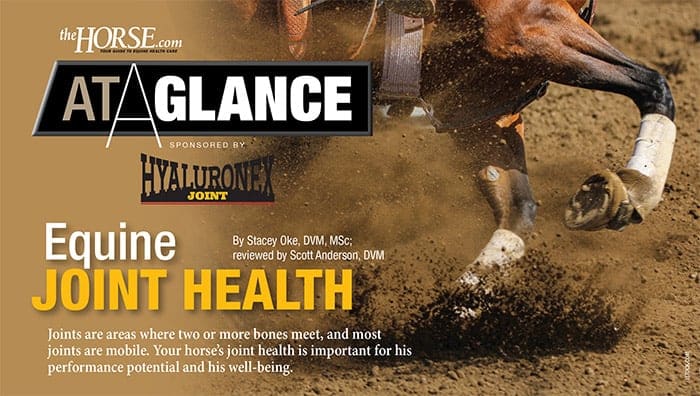
Preserving your horses’ joint health will optimize their athletic careers and keep them comfortable as they age. Sponsored by Hyaluronex Joint.

Learn about the science behind creating safe racing surfaces from Mick Peterson, PhD, director of the University of Kentucky’s Racetrack Safety Program.

With a custom-made splint holding the bent knee in place and partially supporting the horse’s weight, equine surgeons can now perform needle arthroscopy in standing, sedated horses.

Reduced performance, including a shorter stride length, is likely a consequence of pain caused by equine gastric ulcers.

Horse owners can use a science-based app to document body language and facial expressions and determine whether equids are in acute pain.

University of Kentucky researchers are working to learn more about the changes happening at a cellular level that might indicate an injury is present before it becomes career- or life-ending.

Non-steroidal anti-inflammatory drugs serve an important role in managing equine pain and inflammation, but sometimes they can do more harm than good.

Learn about the risk factors associated with horses getting gastric ulcers, as well as diagnosis and basic management and treatment.

Italian and Australian researchers investigated the relationship between transportation, gastric pH, and gastric ulcers. The team was surprised by some of the results.

Your horse’s head, face, and mouth comprise sensitive nerves, bone, and soft tissue. While many of us focus on saddle fit, bridles and bits often get overlooked as a cause of discomfort. Bits can cause mouth pain and injury, and research shows many nosebands are adjusted too tight to the point of cruelty. Is your horse wearing the right bit and bridle?

Camping is all about simplicity and going back to nature, but adding horses to the picture means you must make many more considerations. Our sources shared their top tips for getting ready to go horse camping.