Finding Bisphosphonates in a Horse’s Medical History
Should a buyer be concerned about a horse receiving bisphosphonates in the past? A sports medicine specialist offers insight.

Should a buyer be concerned about a horse receiving bisphosphonates in the past? A sports medicine specialist offers insight.
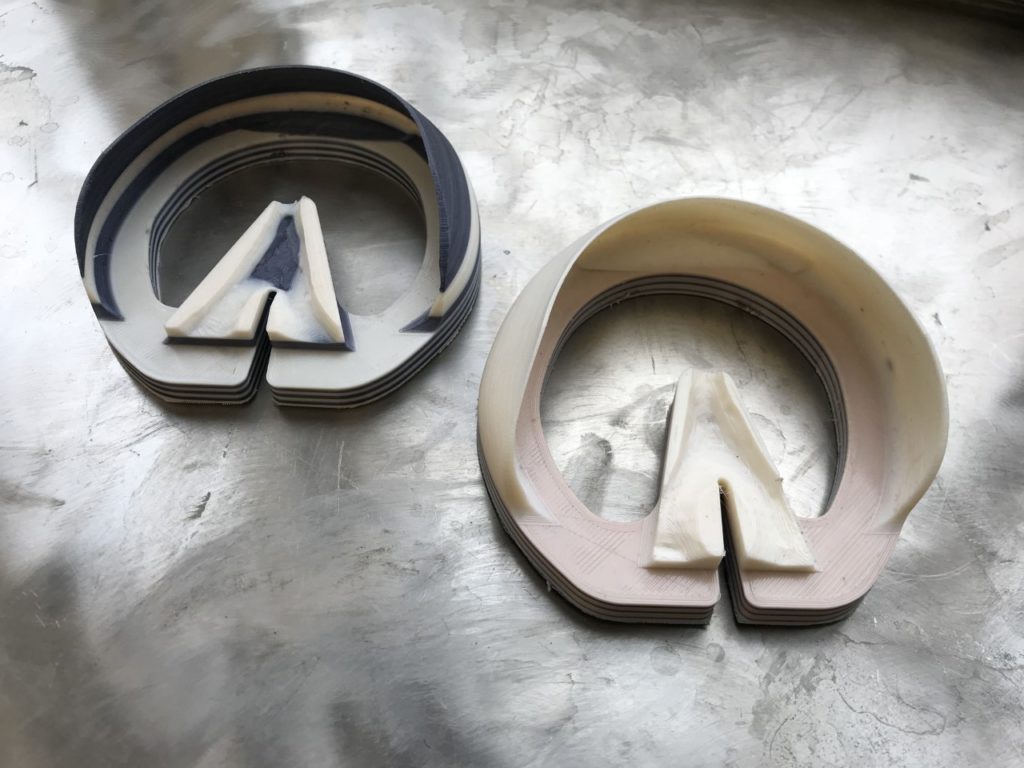
Dutch researchers are printing custom shoes, which allow for a perfect fit so farriers and veterinarians can address specific hoof issues and lamenesses.

Considering a switch? A nutritionist weighs the benefits and drawbacks of feeding horses pelleted hay.

Find out what items should be in your horse’s first-aid kit, what they’re used for, and how to store them.

A reader’s senior Thoroughbred lost weight during the winter. Our equine nutritionist suggests simple ways to increase his body condition.

Find out why horse feed labels don’t simply list calorie content.

To help you better understand vaccines’ importance, how and why they protect horses, and the impact of wellness exams on horse health, we’ve compiled a list of 10 important resources available to horse owners free on TheHorse.com.

Researchers at North Carolina State University have developed a PRP lysate that, when teamed with antibiotics, can eradicate bacterial biofilms common in joint infections.

According to British researchers, fence color could make a significant difference in racehorses’ ability to visualize obstacles as they approach them.
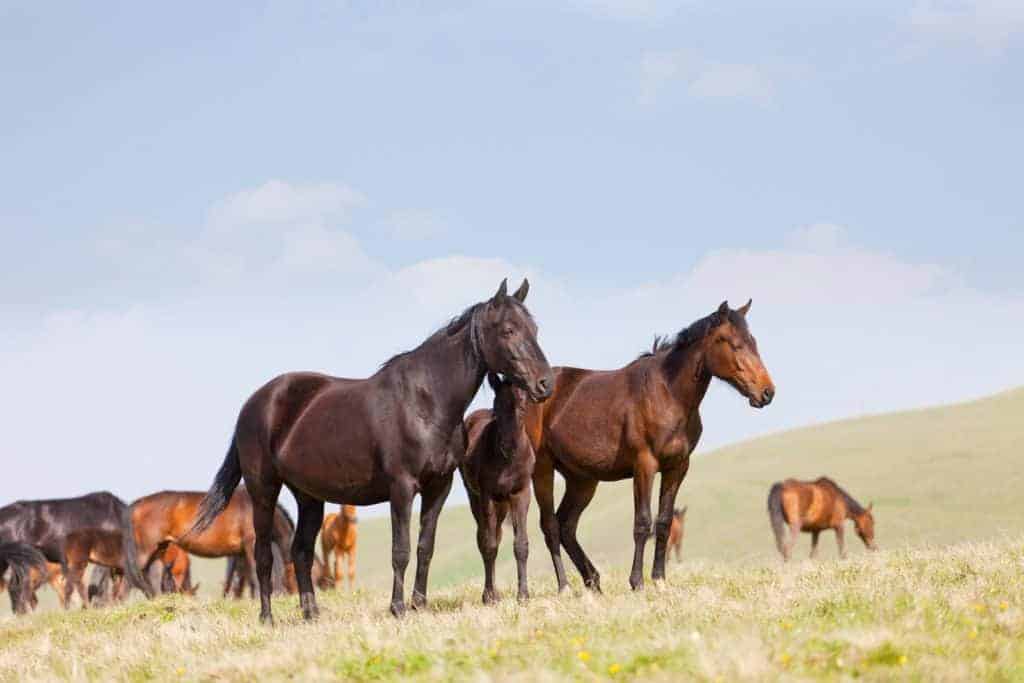
From shutting down local horse shows to postponing the Olympic Games until 2021, the coronavirus pandemic has played havoc with the way owners keep, exhibit, and even trail ride their horses.

Stride changes during races and works could help identify horses at risk of impending injury.
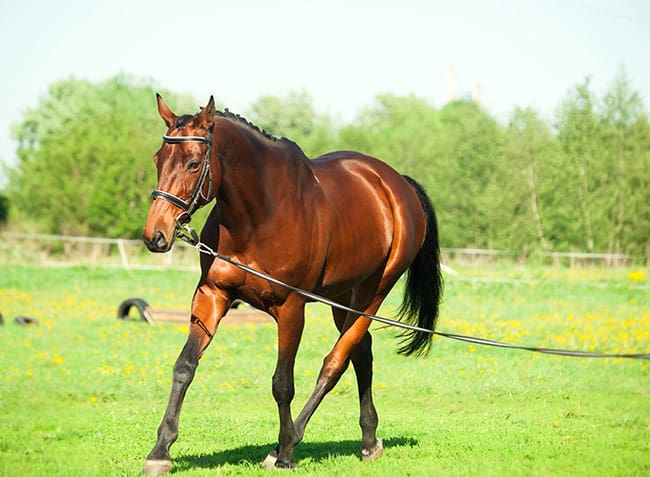
Is frequent circular exercise linked to osteoarthritis?

Study: Amikacin is indeed toxic to cartilage, synovial cells, and stem cells. When used preventively for joint injections, lower doses are likely warranted.

Pilot study: 82% of unsound racehorses with osteoarthritis treated with 2.5% PAAG joint injections showed no signs of lameness six weeks after treatment.

A deep branch lateral plantar neurectomy and fasciotomy procedure can get affected horses back to work.

Seven measurement tools and methods veterinarians can implement into equine rehabilitation programs to track progress.