Carbohydrates 101 for Horses
Carbohydrates are important energy sources for horses, and they are required for digestive health.

Carbohydrates are important energy sources for horses, and they are required for digestive health.

One of the major foal diseases in the United States is Rhodococcus equi foal pneumonia. Responsible for the deaths of up to 30% of infected foals, it is a serious problem at many large breeding farms.
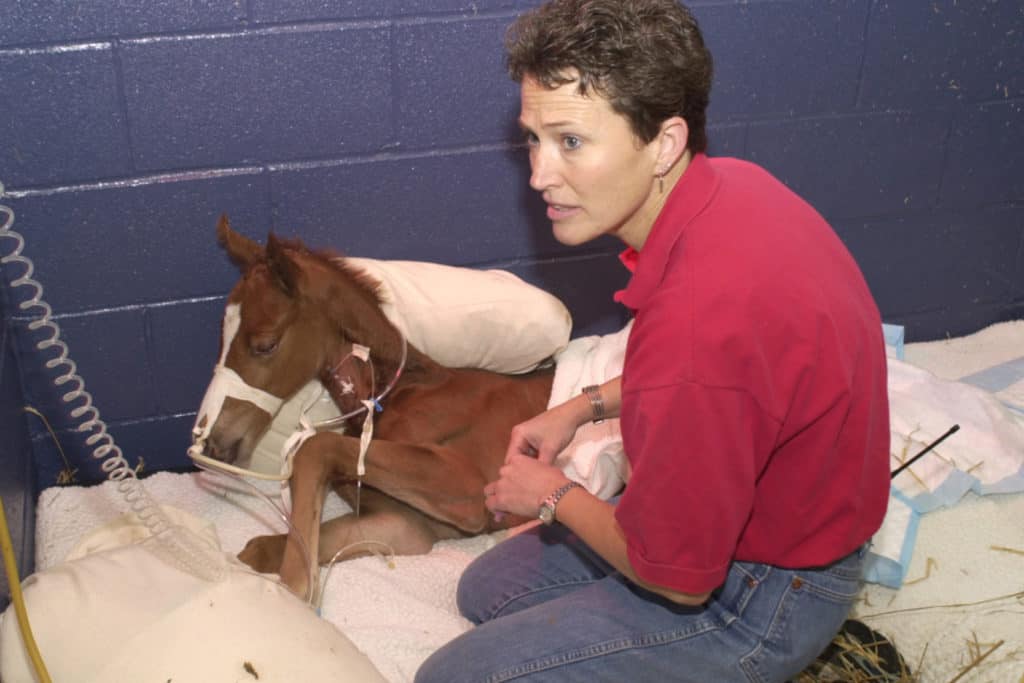
Update on Rhodococcus equi pneumonia in foals by Drs. Noah Cohen of Texas A&M University, Steeve Giguere of the University of Georgia, and M. Julia B. Felippe of Cornell University. (Presented at the 2010 AAEP convention)
For years foal owners have struggled with controlling the bacterium Rhodococcus equi and the infections it causes—some farms manage cases annually, despite following strict farm management strategies to reduce risk of infection.
Colonization of the foal’s GI tract by pathogenic organisms can lead to diarrhea. Research has focused on identifying organisms responsible for the diarrhea, but less research has looked at what allows the pathogenic organisms to become established.

R. equi is a dangerous pathogen that causes pneumonia in foals that are generally between the ages of 3 weeks and 5 months. In cases that caretakers and veterinarians catch early on, the foal can make a full recovery with proper treatment. However in more serious cases, the mortality rate is quite high.

Tips on properly caring for the pregnant mare, newborn foal, and growing foal up to weaning with Dr. Nathan Slovis of the Hagyard Equine Medical Institute.
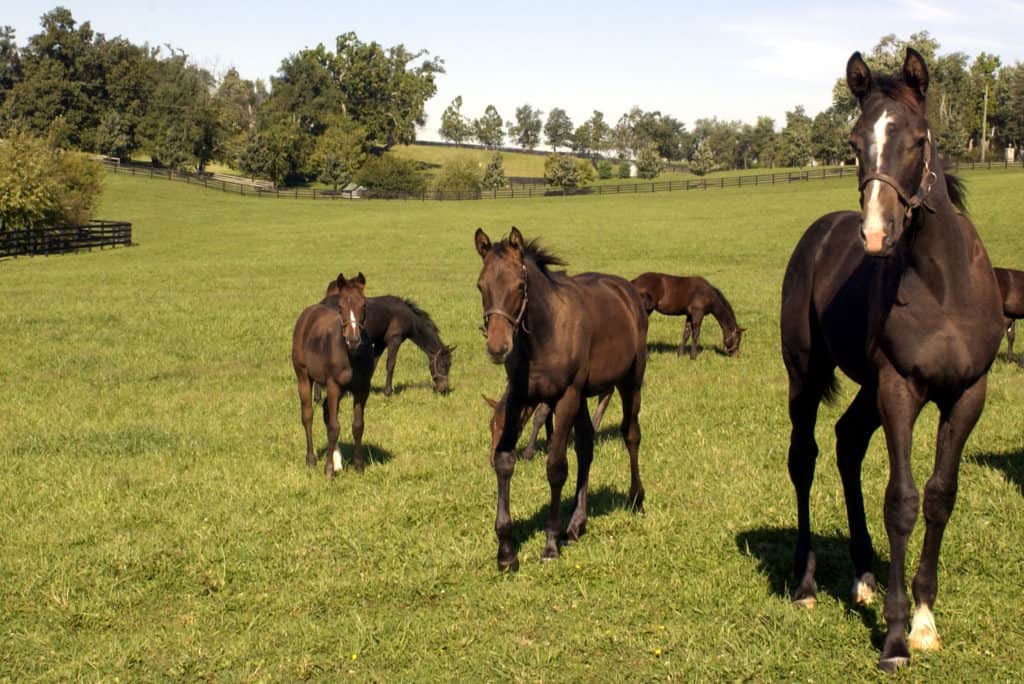
Excerpted tips on properly caring for the pregnant mare, newborn foal, and growing foal up to weaning with Dr. Nathan Slovis of the Hagyard Equine Medical Institute.
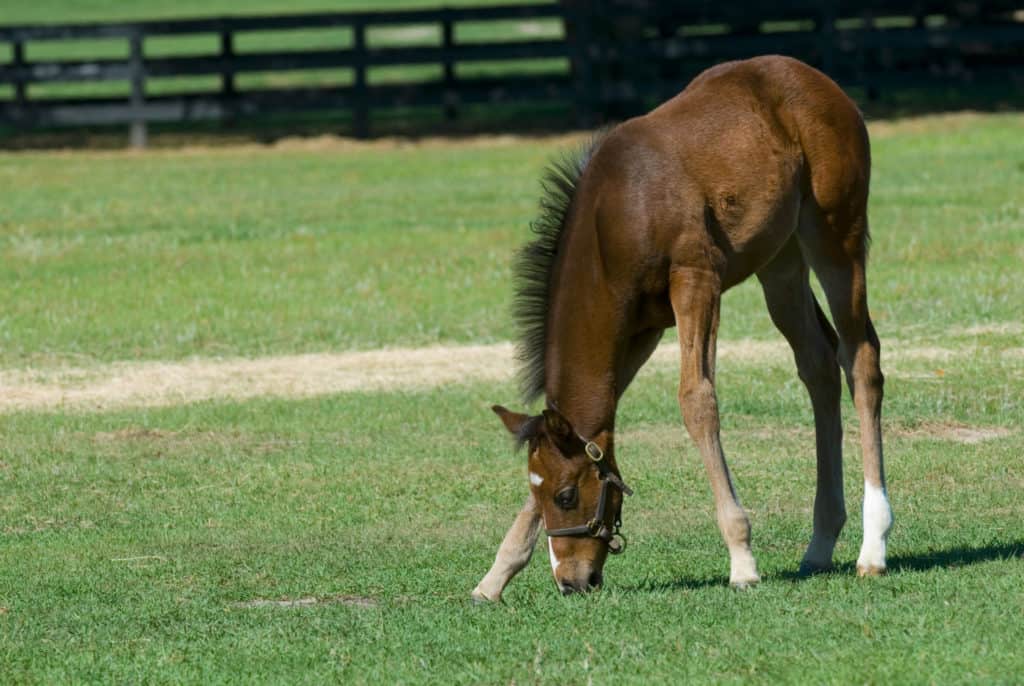
Proper nutrition, of course, is a critical factor in raising a healthy, sound foal–both for the broodmare before the foal is born as well as for the mare and foal throughout the foal’s development.
Dummy foal syndrome is not a disease but, rather, a broad term that applies to foals that exhibit abnormal, often vague behaviors and/or neurologic signs during their first few days of life.
Is it possible to hear a fetal horse’s heart rate with a high-quality stethoscope? If so, at about what stage of gestation, and what is the optimal position of the drum?
Genetics is one of the many research focus areas at the University of Kentucky’s Gluck Equine Research Center. A subset of this emphasis area is the Animal Genetic Testing and Research Laboratory (AGTRL), which allows horse owners to investigate their horses’ DNA and offers a range of tests to the public, including those for genetic disorders and coat color patterns.
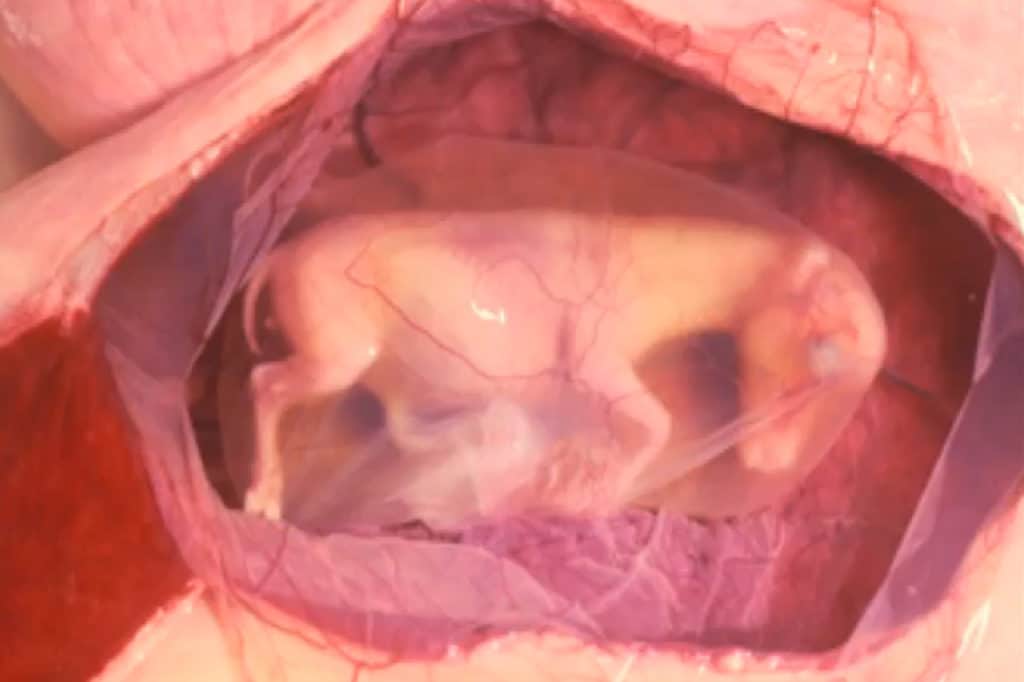
Dr. Donald Schlafer of Cornell University discusses the equine fetus and placenta.

Lawsonia intracellularis bacteria can cause intestinal disease in horses, pigs, and other species worldwide. The syndrome in horses is often called equine proliferative enteropathy, or EPE.