Two More Orange County Horses Test Positive for EHV-1
The index case–a 17-year-old Thoroughbred gelding diagnosed with EHM, the neurologic form of EHV-1–remains quarantined and isolated offsite and continues to show clinical improvements.

The index case–a 17-year-old Thoroughbred gelding diagnosed with EHM, the neurologic form of EHV-1–remains quarantined and isolated offsite and continues to show clinical improvements.

Veterinary treatments for horses can be costly, so researchers evaluated the value an owner places on a horse’s daily use and how much owners are willingness to pay for various therapeutics.
The mule exhibited mild respiratory clinical signs and ultimately died due to pneumonia complications.

The new technique provides a stronger anchor point on the paralyzed laryngeal cartilage and performs better than current surgical practices for treating roaring in horses.

Mosquito season has already arrived in some parts of Nevada and, with heavy rain and snowfall earlier in the year, mosquito habitats and breeding sites near standing water are prevalent.

Researchers were surprised that, given the frustration owners reported in trying to manage from insect bite hypersensitivity, veterinarians were not consulted more often or earlier in the course of the problem.
The affected horse from Weld County is undergoing veterinary treatment and recovering.
A 17-year-old Thoroughbred gelding was diagnosed with EHM, the neurologic form of equine herpesvirus-1 (EHV-1) after developing neurologic deficits.

Most bloodworm-associated colic patients did not exhibit severe colic signs, which could make this potentially deadly condition difficult to diagnose, researchers found.
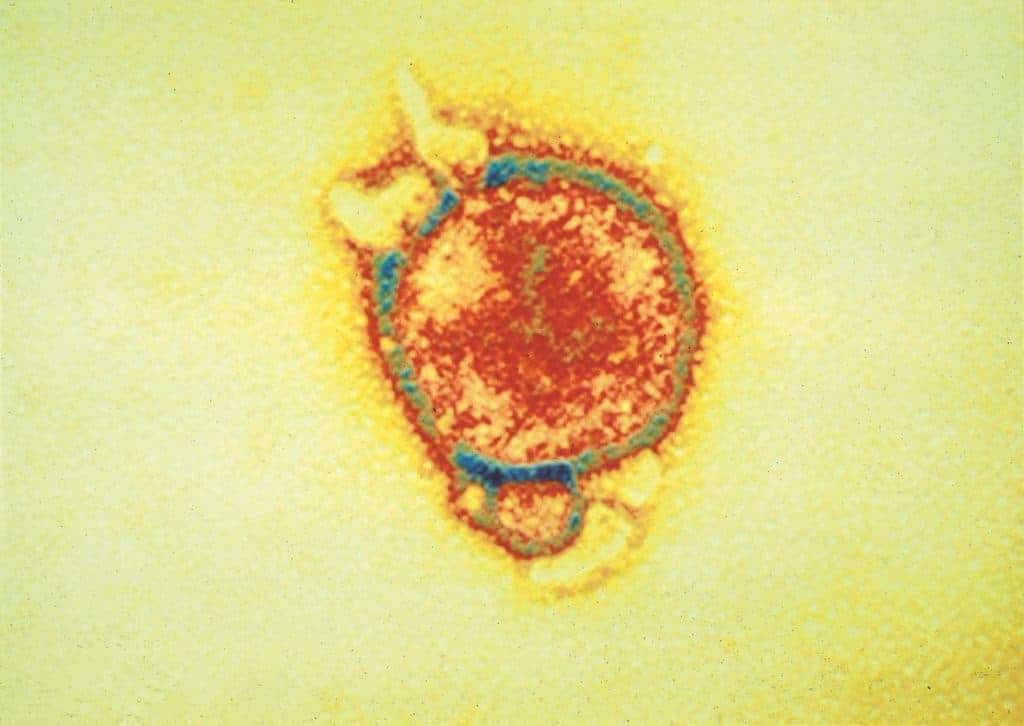
Under Australian law, a vet treating an animal is responsible for the health and safety of all people present. While some horse owners were receptive to vets’ safety directives regarding Hendra virus-related risks to animal and human health, others weren’t.

A Texas veterinarian recalls a real-life equine rabies fatality and what he learned from the case.

Colic is the No. 1 killer of horses. Learn how to spot the signs and give your horse the greatest chance at survival.
The horse that tested positive for EHV-1 has traveled extensively in South Dakota for cutting and sorting events in the past few weeks.

There’s been very little scientific study into sudden death in sport horses, but researchers recently reviewed a number of incidents with the ultimate goal of reducing the number of fatalities that occur.

Vaccinating mares against the polysaccharide poly-N-acetyl glucosamine appears to effectively protect foals against R. equi pneumonia, researchers found.

Special maintenance and nutrition can help your horse get back to (and stay in) good health after a colic episode.