Researchers Narrow Down Equine Coronavirus Risk Factors
Draft horses, horses from the Midwest, and those used for farming and ranching or breeding are most at-risk of contracting coronavirus, researchers found.

Draft horses, horses from the Midwest, and those used for farming and ranching or breeding are most at-risk of contracting coronavirus, researchers found.

Drs. Vern Dryden and Amanda Adams offer advice for managing EMS horses and selecting supplements.

An Icelandic Horse has tested negative for metabolic disease but is still gaining weight. Dr. Amanda Adams offers advice.

The ACVIM published a new consensus statement on treating, controlling, and preventing strangles in horses.

Dr. Amanda Adams explains the difference between equine metabolic syndrome and insulin resistance.

Do horses with PPID, EMS, and/or IR have a greater laminitis risk after receiving joint injections? Drs. Vern Dryden and Amanda Adams respond.
Learn how these “heroes” of the equine veterinary industry step up to save other horses’ lives.

Thanks to advancements in colic diagnostics and treatment, a horse’s chances of survival and return to normal activity following surgery have never been better.
The affected horse was from Cheyenne, Wyoming.

Use this four-step plan to keep equine infectious diseases in check.

Disease life cycle can be replicated for research in ways scientists didn’t believe was possible.

Learn more about equine sleep patterns and six different types of sleep deprivation in horses.

Learn what distinguishes PPID, EMS, and IR from each other and how to care for “metabolic” horses.
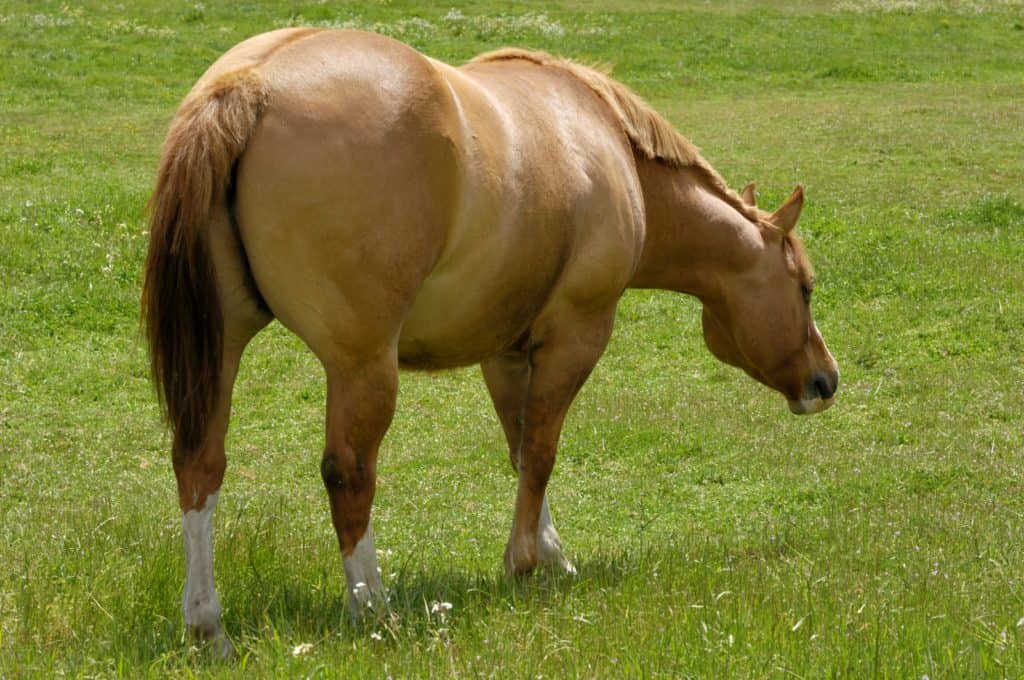
Improve your knowledge about diagnosing, treating, and preventing equine metabolic syndrome (EMS).

Two research teams investigated whether APPs could serve as EPM markers and came to similar conclusions.

Data suggest that veterinarians are treating EPM in the field and referring fewer cases.