International Equine Infectious Disease Report, Fourth Quarter 2017
Officials confirmed cases of equine influenza, EHV, equine infectious anemia, and other equine infectious disease outbreaks.

Officials confirmed cases of equine influenza, EHV, equine infectious anemia, and other equine infectious disease outbreaks.
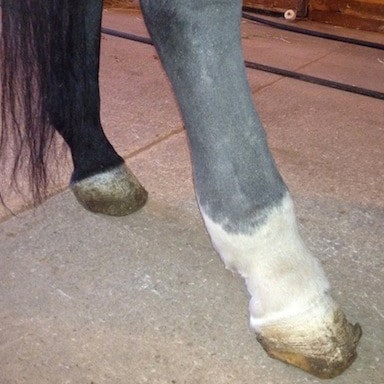
If left untreated, cutaneous lymphangitis can cause permanent leg disfigurement. Here’s what to know about this condition.

The horse was moved to an isolation area at his home farm and the premise has been quarantined.

Vaccines against WNV and EEE are highly effective in minimizing disease occurrence if given appropriately, Virginia’s state veterinarian said.

Tumors of the eye itself are very rare in horses, but those of the structures around the eye are surprisingly common.

Download this free fact sheet to learn how to protect your horse from influenza, a highly contagious respiratory disease.

Understanding how pulmonary disease impacts performance can help veterinarians diagnose and treat issues that could be impairing horses’ athleticism.

A horse’s sinus cavities are complex, which makes diagnosing and managing equine sinus diseases challenging for veterinarians.

Researchers are working to find other potential race-day therapies that can be used to manage EIPH if proposed legislation banning race-day furosemide use in the U.S. is passed.
The EHM-positive 5-year-old Standardbred gelding from Washtenaw County developed acute neurologic signs and is isolated and under veterinary care, officials said.
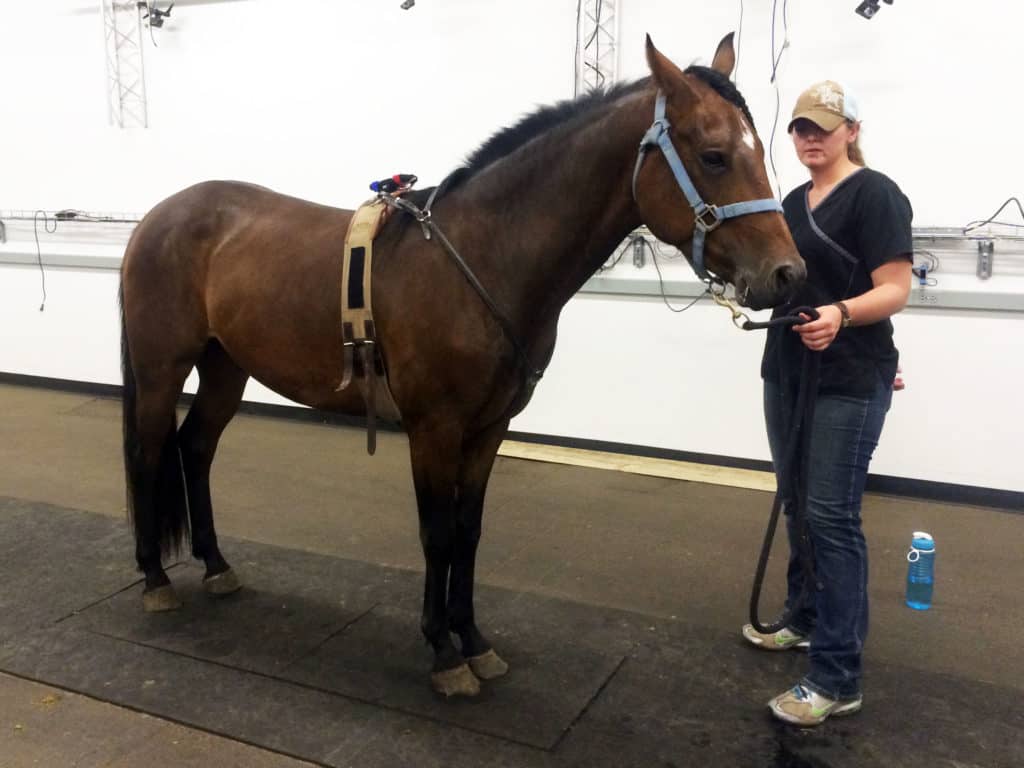
Lameness and neurologic disorders can impact equine postural stability—how a horse holds himself up in a standing position—and measuring it can help veterinarians diagnose certain disorders.
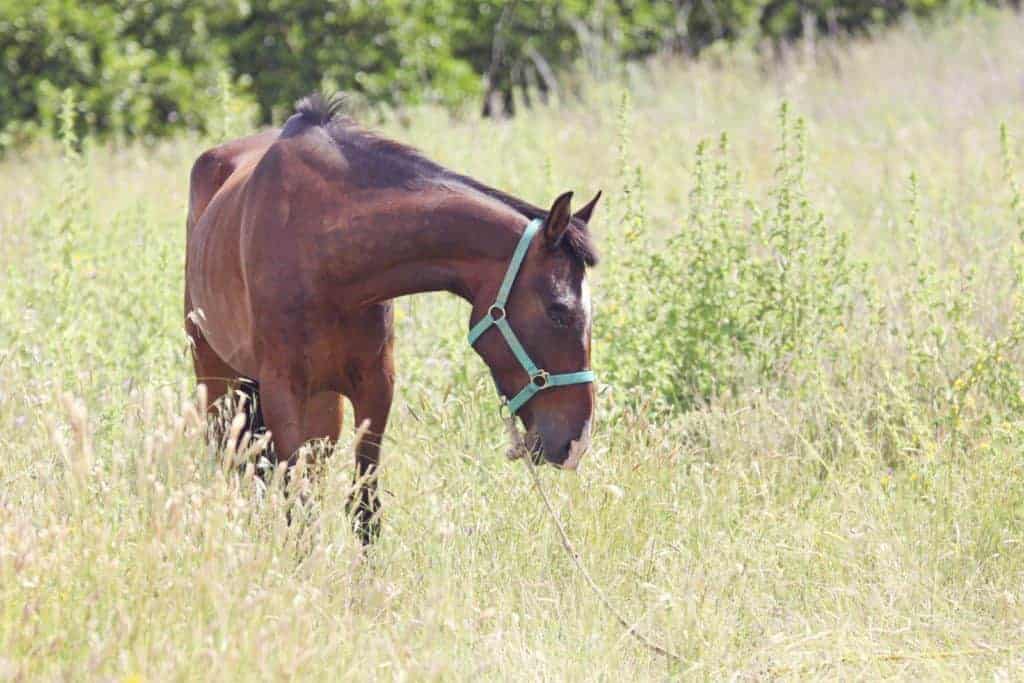
Horses with myositis experience rapid, widespread gluteal and epaxial muscle atrophy. Here’s what veterinarians know about about this immune-mediated condition.
Researchers identified a link between glucose and insulin concentrations (measured using an oral glucose test) and risk and onset of laminitis.

Could the causative parasite S. neurona reach faraway intermediate hosts via streams and rivers?
Scientists don’t know why some horses develop EPM and others don’t, but it’s probably not due to infection with multiple protozoal parasites, researchers found.

The second horse developed a fever and respiratory signs of disease, but has not yet exhibited any neurologic deficits.