South Dakota Confirms EHM Case in Brookings
The affected 19-year-old Quarter Horse mare belongs to a college rodeo participant and recently traveled to events in the Great Plains Region.

The affected 19-year-old Quarter Horse mare belongs to a college rodeo participant and recently traveled to events in the Great Plains Region.

The horse diagnosed with EHM attended high school rodeos in Laramie on April 7 and 8 and Rock Springs on April 14 and 15.
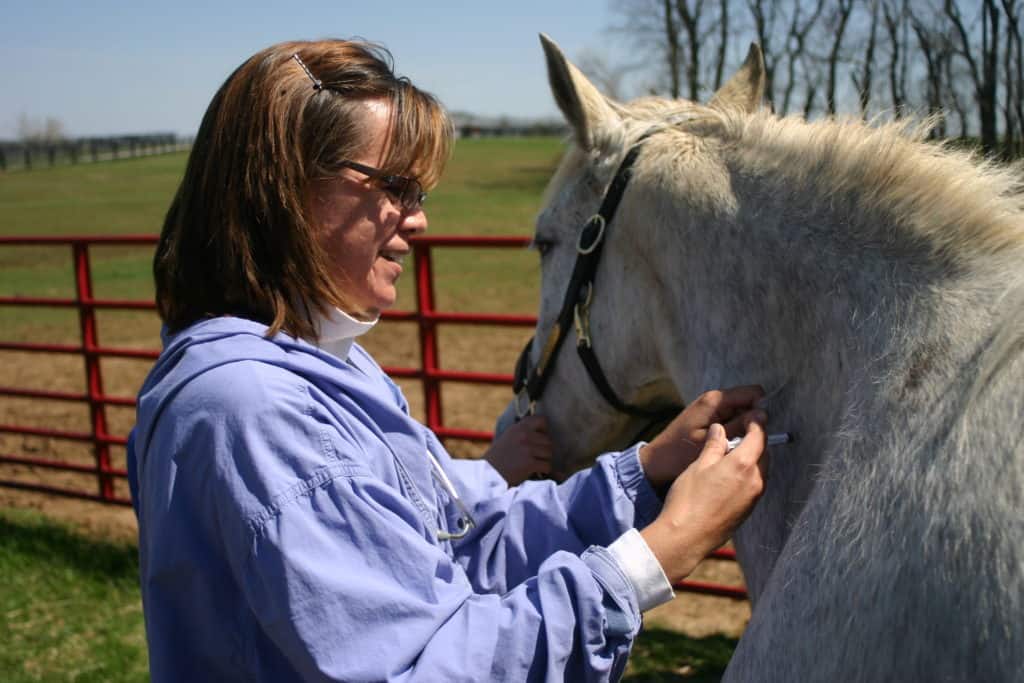
Since its inception, the Unwanted Horse Veterinary Relief Campaign (UHVRC) has delivered more than 28,000 doses of core vaccines.

Horses consuming crude protein at 12% of total dry matter intake excreted more nitrogen, which led to greater ammonia emissions.

State animal health officials are encouraging horse owners to have their animals vaccinated against mosquito-borne diseases–including Eastern equine encephalomyelitis and West Nile virus–and rabies.
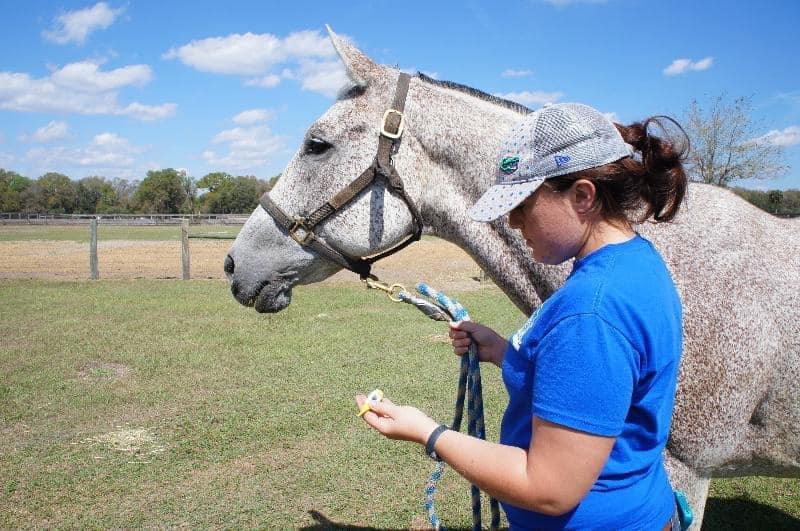
Two mares residing at the quarantined California facility have been diagnosed with EHM, the neurologic form of EHV-1. Seven and three horses have now been diagnosed with EHV-1 and EHM, respectively.

Veterinarians have tools at their disposal, ranging from imaging to sample analysis, that can help pinpoint the cause of respiratory problems in sport horses.
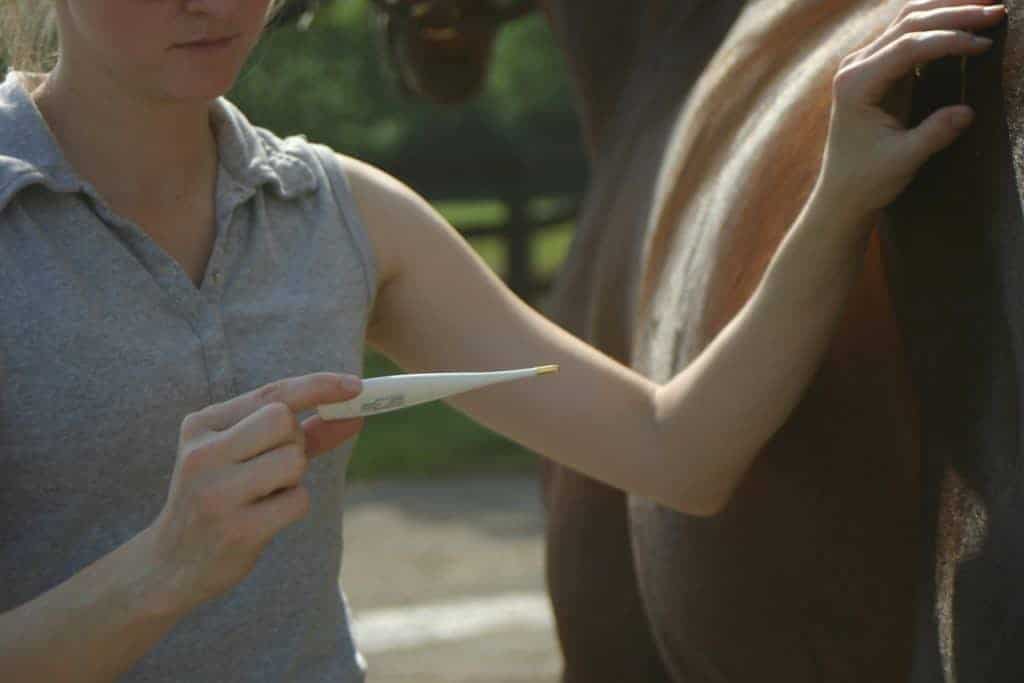
The horse was euthanized due to a suspected case of rabies but was later confirmed positive for equine herpesvirus myeloencephalopathy (EHM), the neurologic form of EHV-1.

Three additional horses have tested positive for equine hepresvirus-1 (EHV-1), California animal health officials reported.
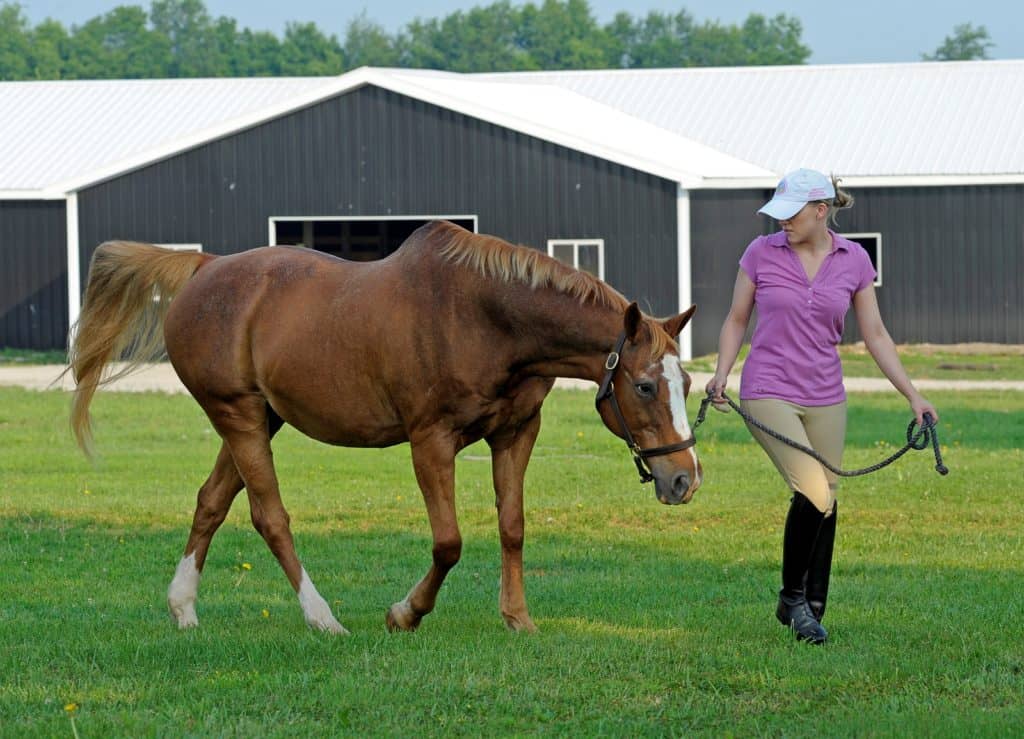
Colic often needs immediate veterinary intervention. Dr. Louise Southwood offers advice for rural horse owners who live far away from their veterinarians.

Most EIA testing is done on a voluntary basis–owners aren’t necessarily required to test every horse at set intervals–making it very difficult to know the disease’s true prevalence, one researcher says.

Drs. Anthony Blikslager and Louise Southwood describe the reasons why older horses are at risk for colic.
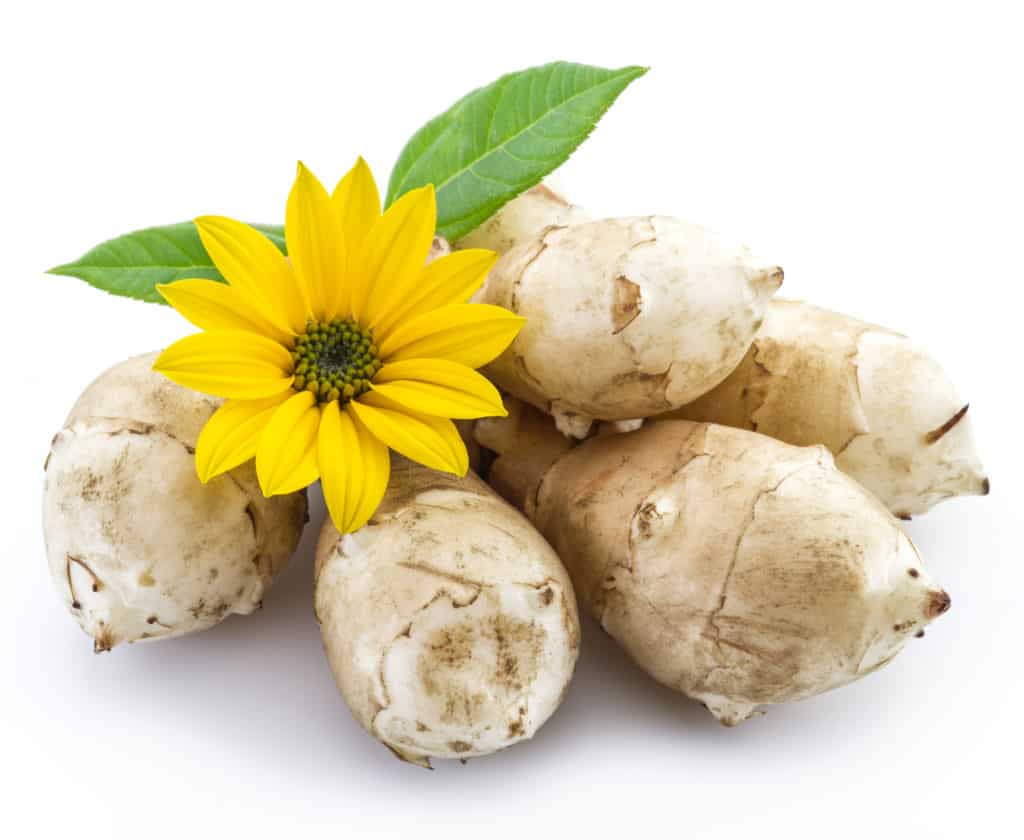
Jerusalem artichoke meal showed promise in getting sugars out of healthy horses’ systems quicker than normal, but it hasn’t yet been tested in IR horses.

Post-foaling colic is a significant threat for mares. Dr. Anthony Blikslager describes what to look for and how to respond if your mare colics following foaling.

A barrel racing horse developed rapidly progressive signs of EHM (the neuorlogic form of EHV-1) on April 19 and was euthanized the same day.

Dr. Anthony Blikslager reviews what to look for if you think your horse is colicking.