Commentary: To Medicate or Not to Medicate Thoroughbred Racehorses?
It’s the question that always ignites a fierce debate in the racing world: Should people be able to race Thoroughbreds under the influence of therapeutic medication?

It’s the question that always ignites a fierce debate in the racing world: Should people be able to race Thoroughbreds under the influence of therapeutic medication?

Prior to EHM confirmation, the affected horse visited a training facility in Liberty Hill and attended barrel races at the Killeen Rodeo Outdoor Arena and the Williamson County Expo Center,

Practitioners must use clinical signs and laboratory testing to distinguish between these sometimes similar ailments.

West Nile virus and Eastern equine encephalitis have high mortality rates in exposed, unvaccinated horses, South Carolina animal health officials said.

A Standardbred horse at a private facility developed neurologic signs on May 10 and was subsequently euthanized.

Switzerland’s internet-based voluntary system is a way for veterinarians to report equine infections, such as influenza and herpesvirus, even if they aren’t required to by law.

By paying close attention to when and where it occurs and any additional clinical signs, you can help your veterinarian find the cause of and cure for your horse’s cough.

Our nutritionist helps a reader make sense of horse feeds advertised as low-sugar, low-starch, lite, and more.
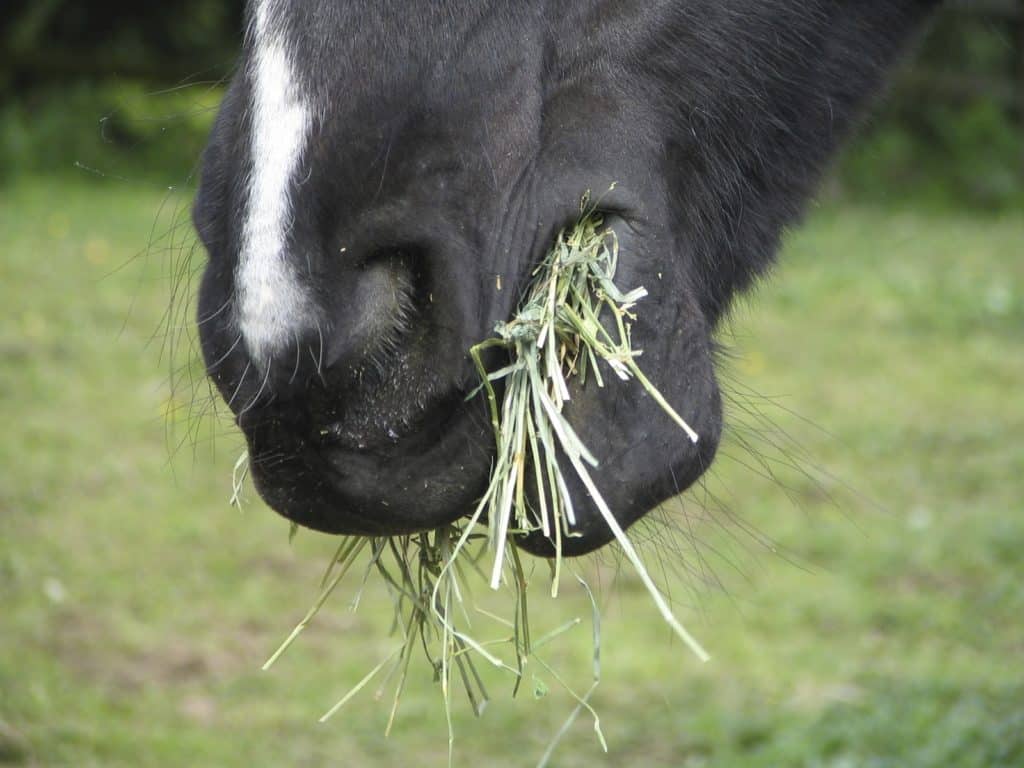
These findings help us better understand how and why horses’ teeth wear as they do, researchers said.
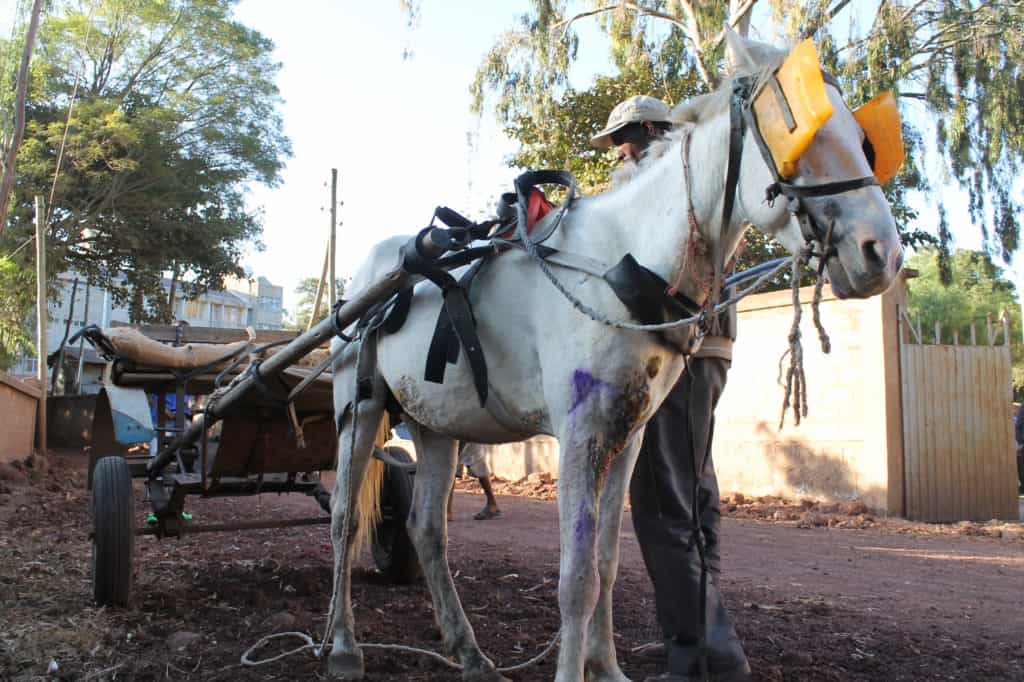
Colic incidence is relatively low, affecting only about 3% of the Kenyan equine population each year. But researchers say that figure doesn’t include many cases not reported to vets and treated with home remedies.

The horse first showed mild neurologic signs on May 10 and was admitted directly into isolation at the Marion DuPont Scott Equine Medical Center, in Leesburg, Virginia, on May 16.

Horse owners might want to have their mares’ ovaries surgically removed for a variety of reasons, including to prevent pregnancy, get rid of tumors, or, most commonly, resolve behavioral issues.

Horses that don’t receive annual vaccinations against the five core equine diseases could be facing serious illness or even death.

The EIA-positive Quarter Horse from Bexar County has been euthanized and the affected Maverick County Quarter Horse has been transferred to a quarantine facility.

Find out why this grass is a popular hay for horses and how, in some cases, it might cause problems.
Prior to confirmation, the newest EHM-positive horse attended a barrel racing event at the Oklahoma City Fair Grounds, April 25-30.