Keep Your Horse Safe From Toxic Plants
Minimize your horse’s risk of ingesting a deadly plant by identifying and eliminating harmful species.

Minimize your horse’s risk of ingesting a deadly plant by identifying and eliminating harmful species.

Recently Oklahoma has averaged approximately 40 cases of mosquito-borne diseases in horses per year.

An effective isolation area can help contain an infectious disease outbreak. Here’s what you need to know.
The EHV-1-positive horse has been placed in isolation and the facility has been quarantined.
Prior to diagnosis, the affected horse attended barrel racing events at the Oklahoma City Fair Grounds on April 28-30 and the Williamson County Expo Center in Taylor, Texas, on May 5.

Because rabies threatens both horses and the humans who handle them, the AAEP recommends rabies as one of five core vaccines every U.S. horse should receive.

Squamous cell carcinoma (SCC) can be difficult to treat, so early detection and treatment are key to giving affected horses the best chance at positive outcomes.

Our equine nutritionist offers suggestions for finding a grazing muzzle to fit your horse.

From reducing PPID-associated muscle wasting to managing IR and obesity, here’s what to consider for your old horse.

Scientists have developed a new live-attenuated intranasal vaccine to protect horses against equine influenza.

Find out how a veterinarian diagnosed a common cancer in horses in a Thoroughbred gelding with a recent history of headshaking and unprovoked panic.

The earlier you can detect endocrine conditions such as PPID and EMS, the better chance you have of preventing associated laminitis in affected horses.

Researchers are asking horse owners, managers, and riders to complete a survey about air quality, conditions, arena footing, and associated health outcomes in horses and humans.
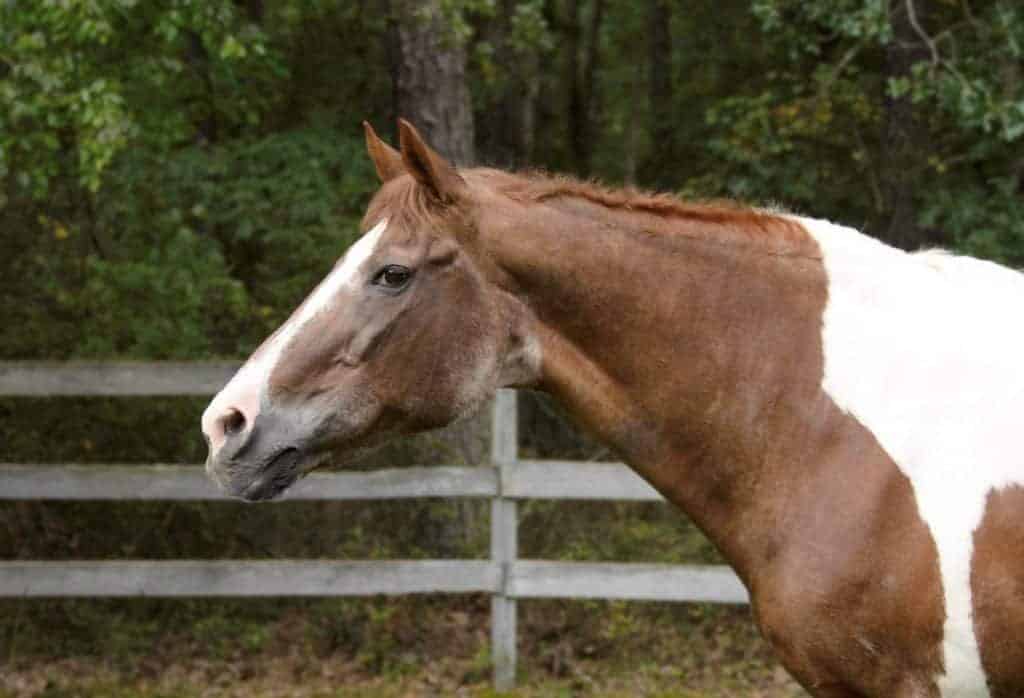
While every horse needs quality air to breathe, senior horses are particularly at risk for respiratory diseases.

This suggests old horses need an appropriate diet and management plan to help minimize the risks associated with insulin dysregulation, such as laminitis.
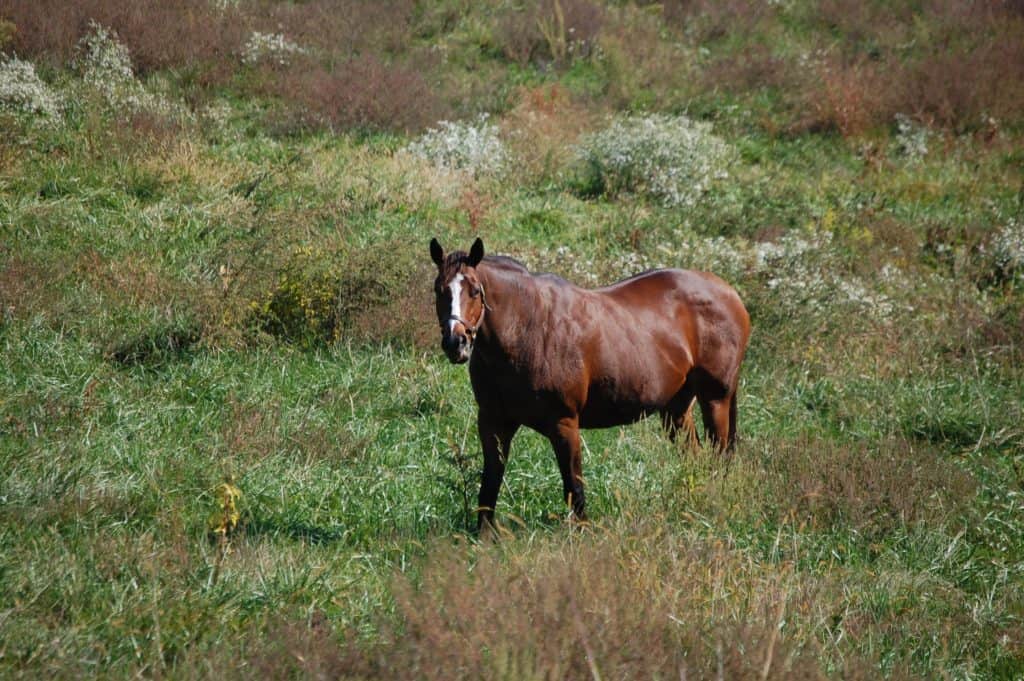
Consider these dietary changes to help reduce the laminitis risk and discuss with your veterinarian whether certain medications could help your horse.