Lame or Ataxic? Kinetic Gait Analysis Can Tell


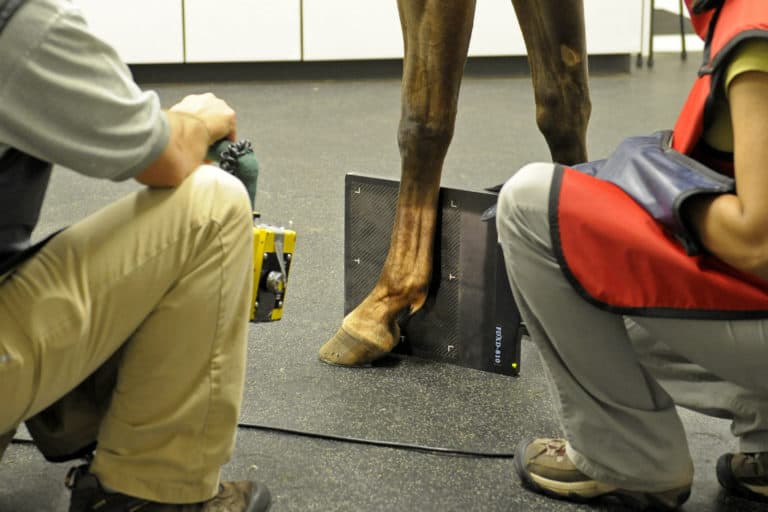
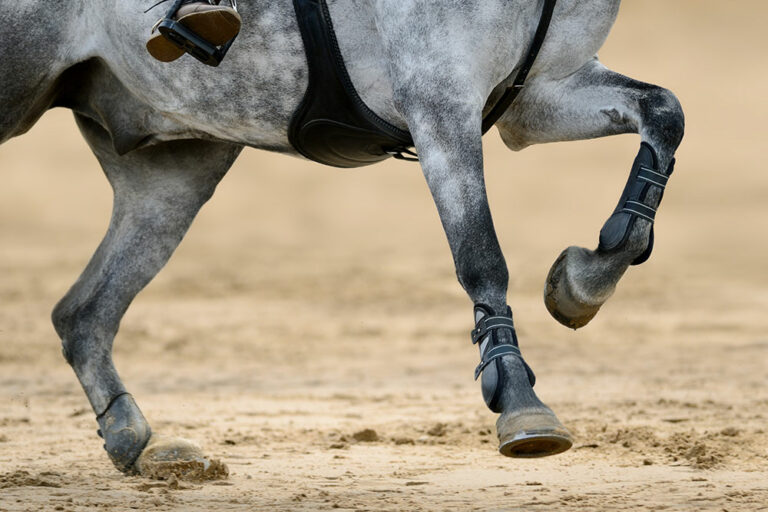
Being able to tell the difference between a mild lameness and subtle spinal ataxia is an important, yet challenging, endeavor in equine practice. Ohio State researchers recently reported that kinetic gait analysis–the computer
Read More

Sleep and Sleep Disorders in Horses, AAEP 2008

Unlike humans, adult horses average only about three to five hours of sleep per day, with sleep events occurring intermittently throughout the day and night, with most occurring at night. Lack of sleep or a sleep disorder has the potential to impact

Read More

Dusty Air and Respiratory Problems

In addition to the risks viruses and bacteria pose to the horse, environmental exposure to particulates dispersed from feed, bedding, footing materials, and other sources (such as diesel exhaust) all can lead to IAD. Even small increases in aerodynam

Read More

Aluminum Phosphide Poisoning

Aluminum phosphide is an indoor fumigant used to kill insects in most, if not all, of the stored grains we and our horses are exposed to. Like most pesticides, it can cause major problems in unintended species when used incorrectly.

Read More

Aortic-Iliac Thrombosis, Diagnosis and Treatment

He noted aortic-iliac thrombosis (TAI) can cause lameness, but the incidence in the United States is low. Damage to, and thrombus (blood clot) in, these large blood vessels might be caused by internal parasites.

Read More

Breeding Season Stress Can Lead to Gastric Ulcers

Breeding season can be a stressful time for owners and horses alike. While horse owners are hustling to prepare facilities, the broodmares might be just as tense. Especially for young and maiden mares, the stress from being trailered to new

Read More

Immunostimulants for Foals

A product that could stimulate the immune systems of newborn foals to better fight infection of Rhodococcus equi would be very beneficial, said Steeve Giguère, DVM, PhD, of the University of Florida, at the 2008 American Association of Equine

Read More

Vaccination (AAEP 2008)

Pusterla discussed the effectiveness of three vaccination strategies against L. intracellularis, which causes proliferative enteropathy (a spreading intestinal disease). “Although the clinical entity (L. intracellularis infection), diagnostic evalua

Read More

Ivermectin Toxicosis

Ivermectin has become one of the most widely used deworming medications worldwide since its introduction 25 years ago. It’s usually considered to have a large margin of safety, but it can be highly toxic in rare circumstances

Read More

Thoroughbred Stallion Sky Mesa Back Home After Surgeries

Sky Mesa, the 9-year-old stallion who had two operations related to a bout of colic, arrived back at Three Chimneys Farm Feb. 25 from Rood & Riddle Equine Hospital near Lexington and is on schedule to return to breeding around March 20.

Read More

Testing for (AAEP Convention 2008)

Clostridium difficile bacteria can cause severe, sometimes fatal colitis in horses. When a horse develops severe diarrhea (particularly if blood is present), C. difficile might be suspected, but veterinarians must confirm the infectio

Read More

More From The Horse

GrayHorse_Joints_AdobeStock_190567749
horse nose
Woodford Veterinary
Palomino horse walking in pasture

Stay on top of the most recent Horse Health news with

FREE weekly newsletters from TheHorse.com

Weekly Poll

sponsored by:

Create a free account with TheHorse.com!

The Horse
Privacy Overview

This website uses cookies so that we can provide you with the best user experience possible. Cookie information is stored in your browser and performs functions such as recognising you when you return to our website and helping our team to understand which sections of the website you find most interesting and useful.