Boots and Wraps for Scratches Prevention
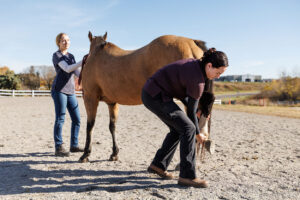
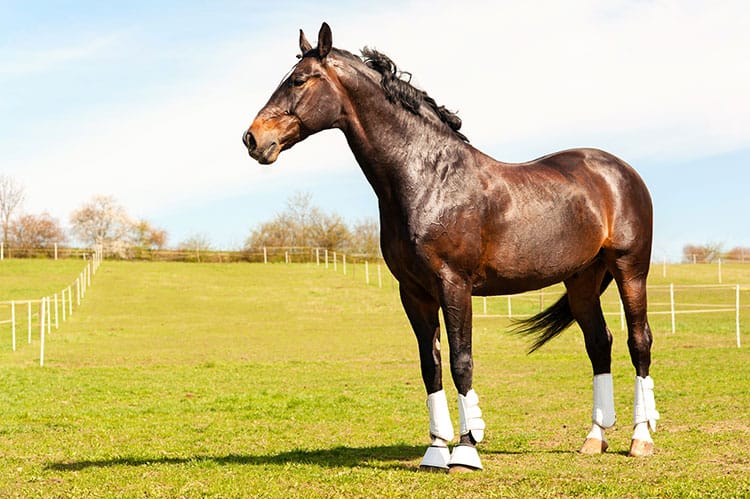
Boots and wraps might help prevent scratches, but only when used properly and with other management techniques.

Boots and wraps might help prevent scratches, but only when used properly and with other management techniques.
Find out how veterinarians prevent and treat this painful condition.
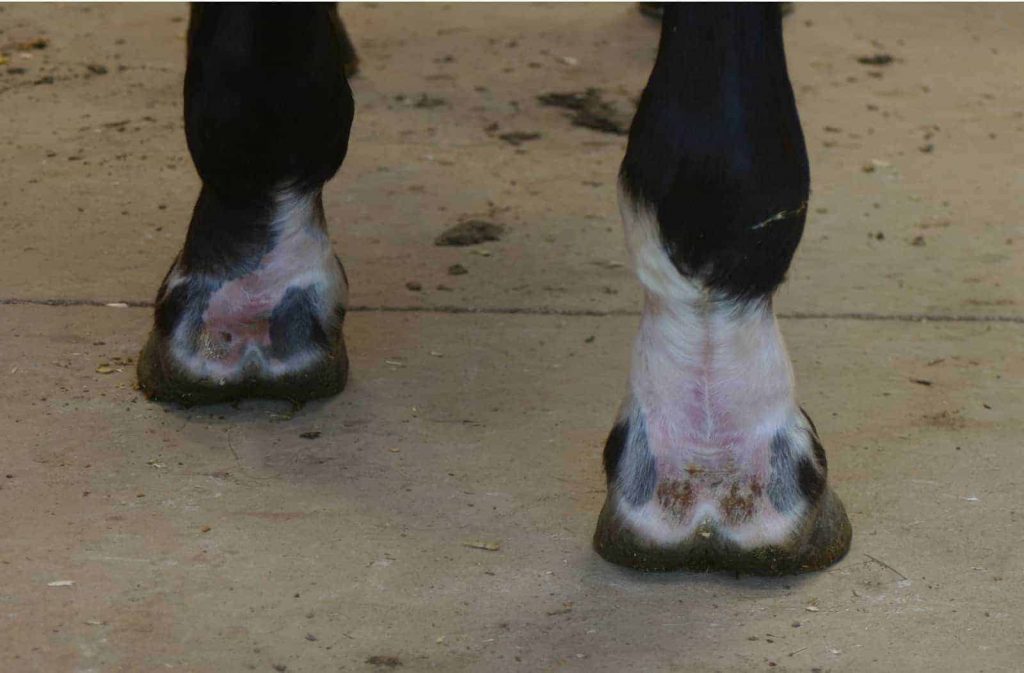
Look for educational information about scratches in horses on TheHorse.com.

My horse is turned out to pasture for at least part of each day. Every winter he gets scratches. Is there anything I can do nutritionally that might help prevent this?

Determining a horse’s cause of neck pain can help ensure he receives the correct treatment.

Allergy tests can help veterinarians identify possible allergens for inclusion in a horse’s immunotherapy program.

Establishing a standard glucose testing method worldwide could generate more accurate results, leading to better care and welfare of horses with PPID, or equine Cushing’s disease.
Insulin dysregulation can coincide with high ACTH concentrations in the fall, even when an animal does not have PPID.

Learn about the differences, and a few key similarities, between these two endocrine diseases.

Researchers assess the prevalence of malocclusions and dental diseases in privately owned horses in the Mazovia region of Poland.

Horses have a wide range of potential for exposure to toxicants; understanding this could help protect them.
X rays are valuable diagnostic tools for equine dental health that can reveal undiagnosed issues.
The 3 equine forms of this neuromuscular disease are found in many areas of North America.

If your horse is exhibiting regular behavior problems, cheek tooth pain could be the cause.

Consider growth rate and nutrient balance when deciding what to feed young horses.

Resin fillings used in human dentistry can offer long-term solutions for preventing and managing infundibular caries.