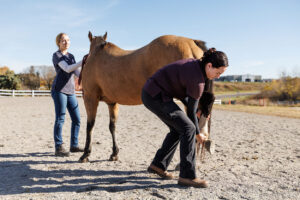
Equine Idiopathic Headshaking
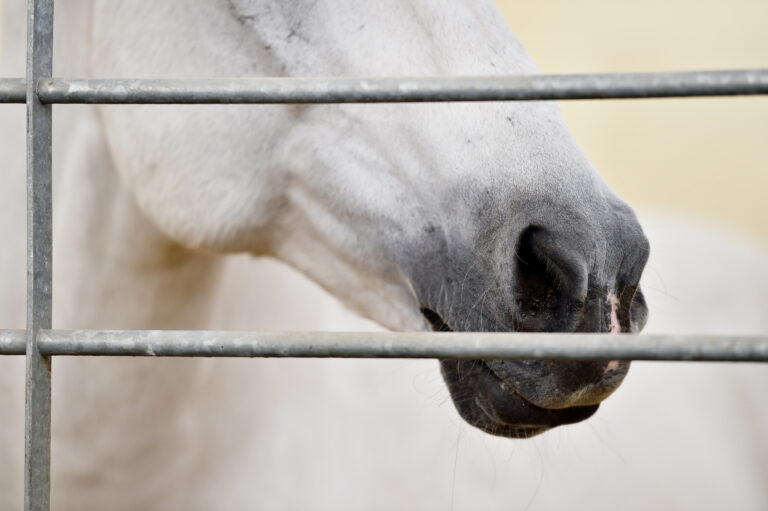
Equine idiopathic headshaking is a painful condition, but with correct diagnosis and treatment many headshakers can live pain-free.

Equine idiopathic headshaking is a painful condition, but with correct diagnosis and treatment many headshakers can live pain-free.

Timely decision-making could be the life-saving factor for colicking horses.

Here are some common dental issues that can negatively impact your horse’s performance and how they can be corrected.
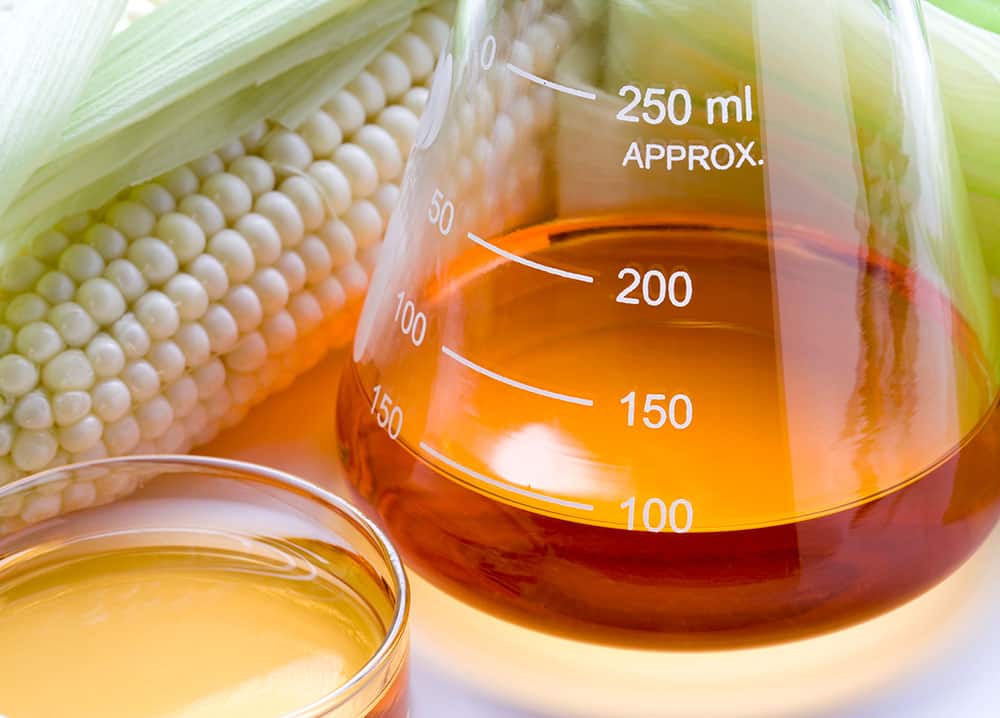
The horse’s fed vs. fasted state, dose and type of corn syrup, season, and simultaneous endocrine testing might alter the results of this insulin dysregulation testing method.

How to recognize at-risk horses and manage them appropriately to prevent severe disease.

The Type 2 diabetes drug might help horses with chronic hyperinsulinemia and laminitis that haven’t responded to management changes.

If managed with the right nutrition plan, horses and ponies with histories of laminitis can have successful careers.

Cardiovascular malfunction might impede athletic performance, but with correct diagnosis and management some horses can still have athletic careers.

These new guidelines will help veterinarians diagnose and treat equine proliferative enteropathy.

Researchers found the muzzle and outer nostril region present an alternative and less invasive way to test horses for EHV-1.
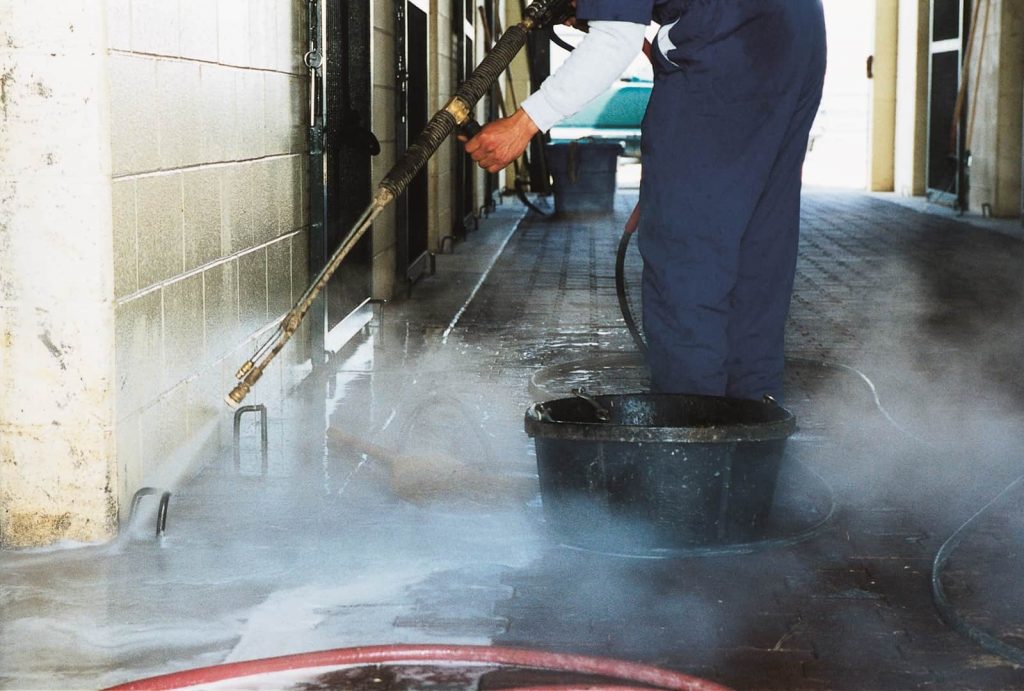
Taking these steps can help rid your barn of the strangles-causing pathogen.
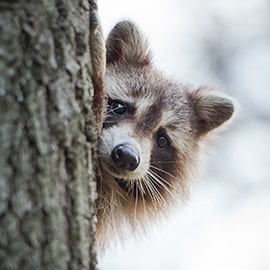
Wildlife can spread rabies and equine protozoal myeloencephalitis (EPM) to horses, so secure your barn against unwanted visitors.

Researchers recently found healthy racehorses tested positive for SARS-CoV-2 following a COVID-19 outbreak among racetrack personnel.

Often, a horse’s behavior problems are rooted in either pain or incomplete training. Here’s what to consider.

Researchers compared the test’s results to those of a commonly used laboratory method to determine their association.

Horses exposed to fire smoke can suffer respiratory injury; knowing what is normal can help you determine whether your horse might need veterinary attention.