Why Should We Feed Horses Forage First?
Learn how various components of the horse’s GI tract evolved to consume forage, and feed accordingly to prevent issues.

Learn how various components of the horse’s GI tract evolved to consume forage, and feed accordingly to prevent issues.

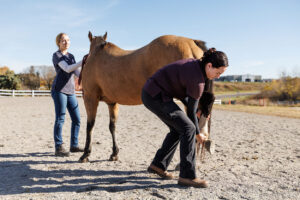
Dr. Christine Johnson of Leclair Equine, in Berthoud, Colorado, demonstrates how to listen for gut sounds.

Keeping donor and recipient mares in moderate body condition might improve survival rates of transferred embryos.

Time is life for a foal. Here’s a look at the top causes of illness in newborn foals and how to manage a sick foal.

Anaplasmosis is a tick-borne disease caused by a bacterium that infects white blood cells.

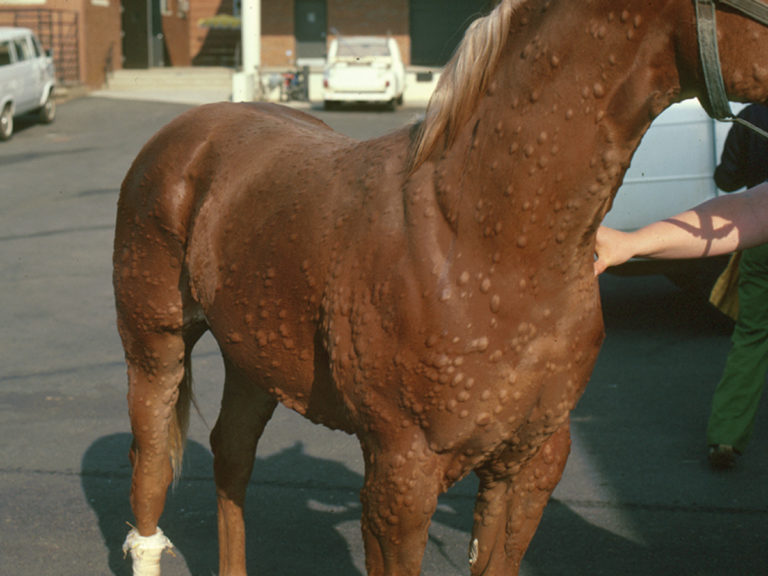
Is my horse at risk of catching pigeon fever from another horse at my trainer’s barn?

There are 2 forms of equine gastric ulcer syndrome. A researcher describes how to prevent them.
Learn about serum amyloid A and how veterinarians can use it for early identification of inflammation in horses.
An equine internist explains how she makes testing decisions and interprets results.

A wide range of conditions can cause poor performance, but many cases circle back to lameness with a behavioral component.

Knowing what imaging and clinicopathologic tests to perform in what order is key to diagnosing challenging cases.

Keep dust to a minimum in arenas, barns, and paddocks for both aesthetic and health reasons.

Follow the steps in this visual guide to help your horse breathe easier.

Dr. Lutz Goehring weighs in on what researchers have learned about equine herpesvirus-1, how it spreads, and how to prevent infection.

Learn about recent research on the causes of EIPH, how it affects horses and their performance, and furosemide use in equine athletes.

Despite poor hoof quality, the feral horses on Sable Island had a low prevalence of laminitis.