
Using a focus-on-forage approach, a veterinarian specializing in equine nutrition explains how she plans a diet for easy keepers.

The Oneida County gelding had recently returned from Utah.
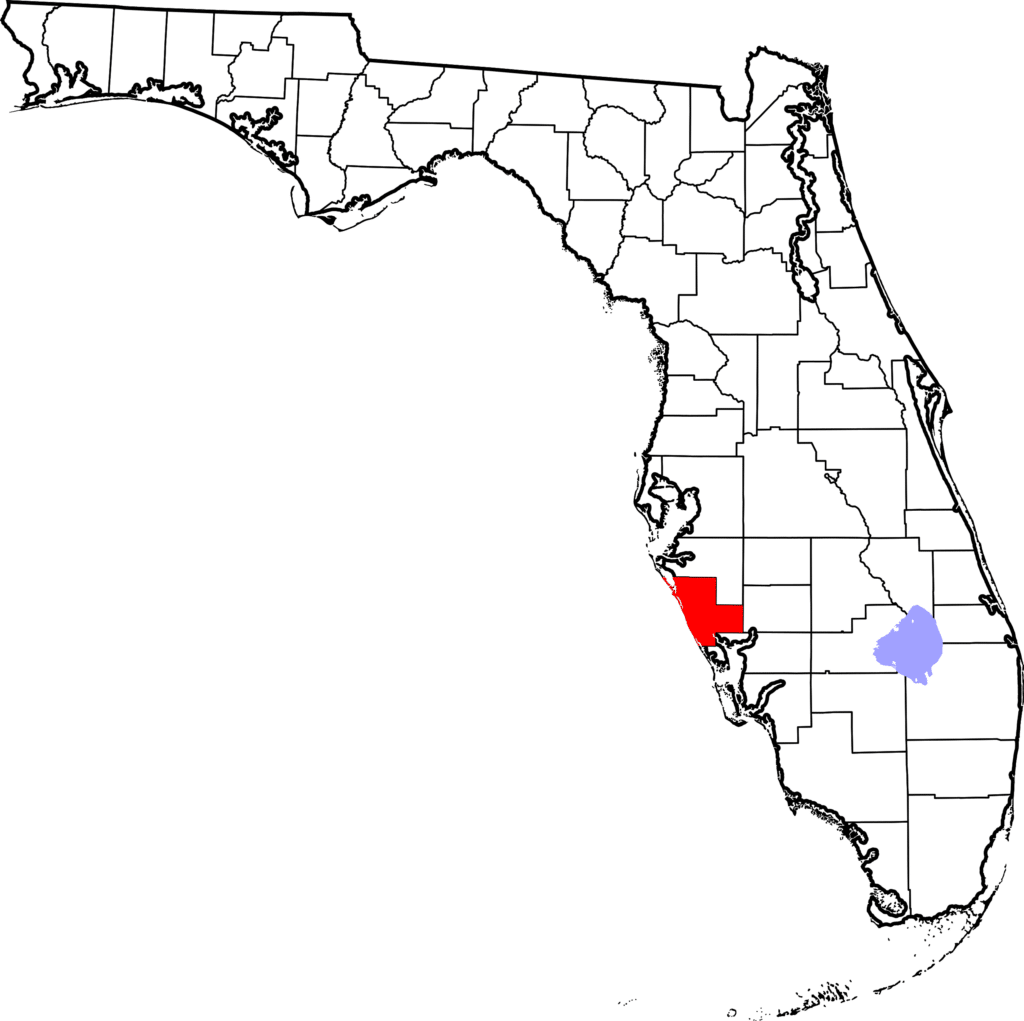
The unvaccinated gelding is recovering in Sarasota County.

Equine digestion is full of twists and turns, and a lot can go wrong during the process. Learn how colic, diarrhea, ulcers, and other ailments can affect your horse’s GI tract and what steps to take to optimize his digestive health.

The Quarter Horse colt lived in Adams County and is now deceased.
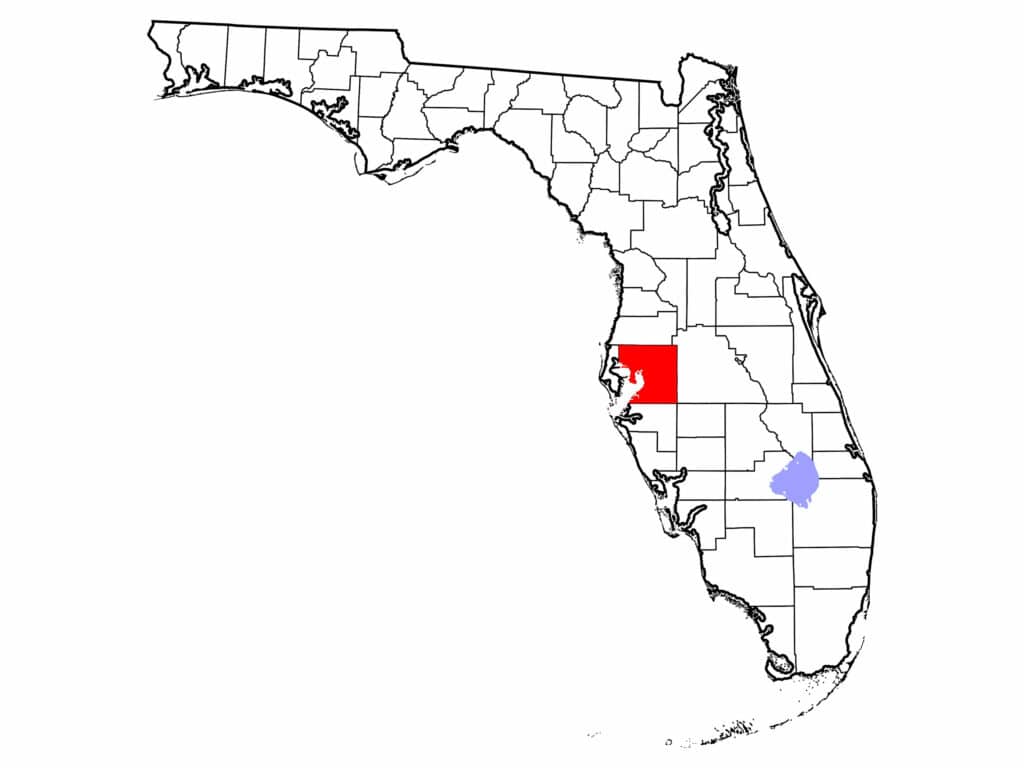
The geldings that resided in Hillsborough County are now deceased.

How often should you feed your horses each day? Our nutrition expert weighs in with advice.

A veterinarian answers common questions about this respiratory disease.
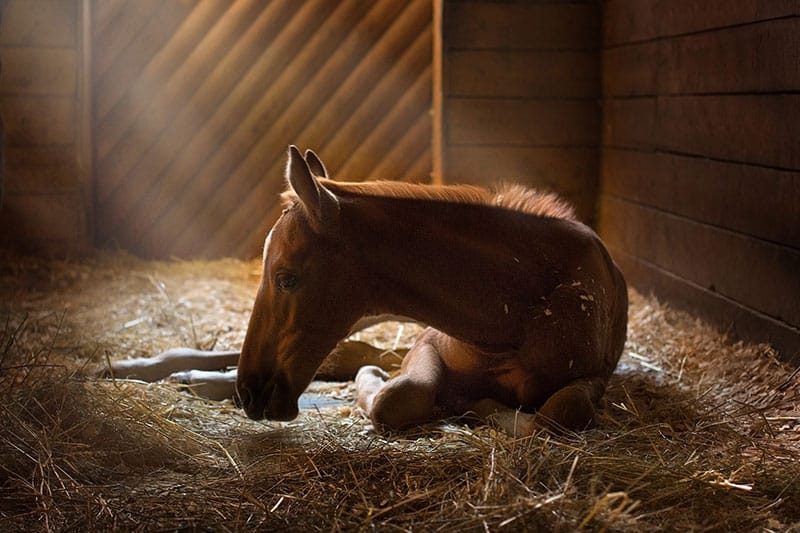
Foal pneumonia can be quite severe, but with aggressive management foals can recover and go on to lead normal lives.
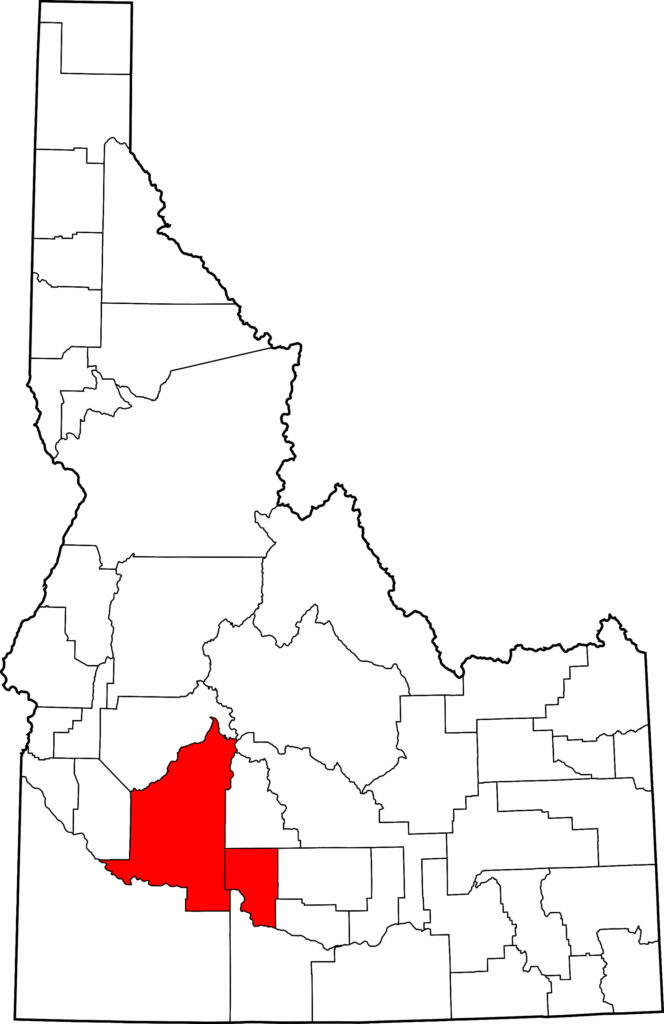
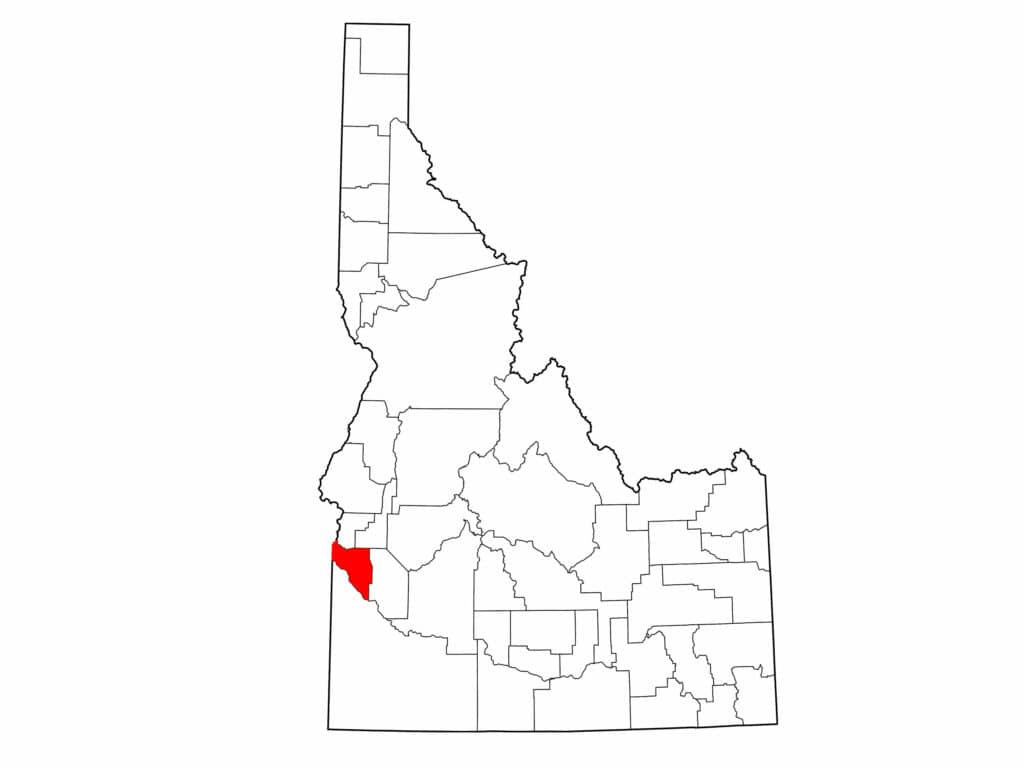
The fillies reside in Elmore and Gooding counties.

Sand accumulation in a horse’s gastric system is cause for concern; this method can help you detect it.
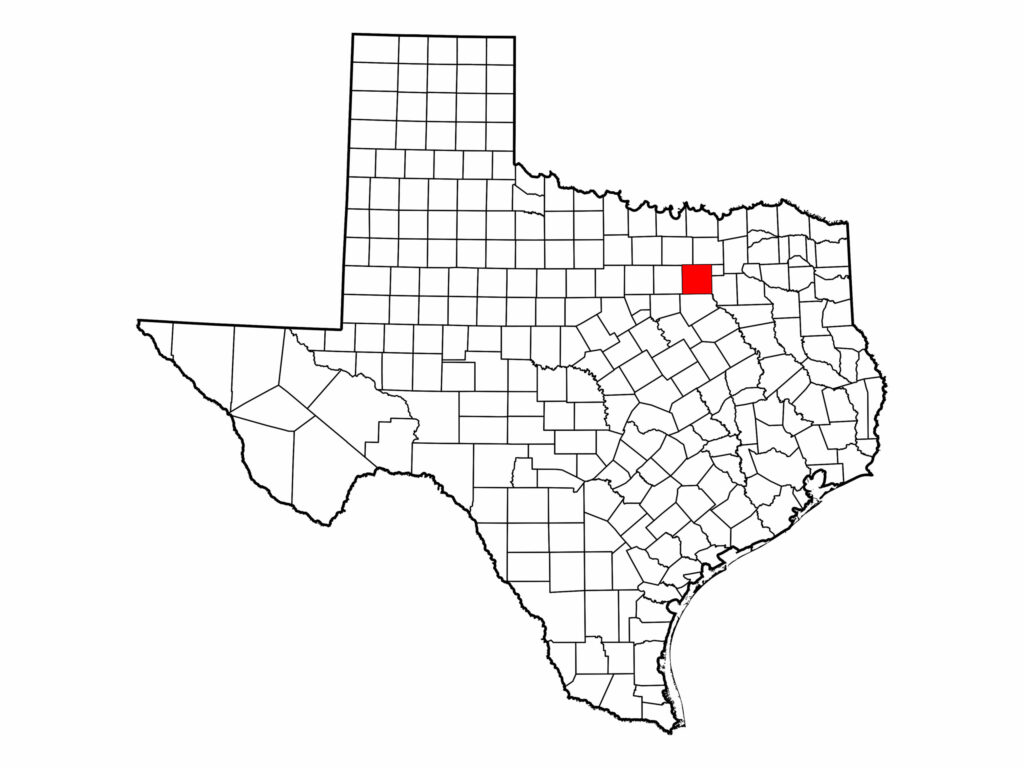
The horse resided in Dallas County, and the facility is under official quarantine.

The unvaccinated filly resides in Kern County and is reported to be affected and alive.
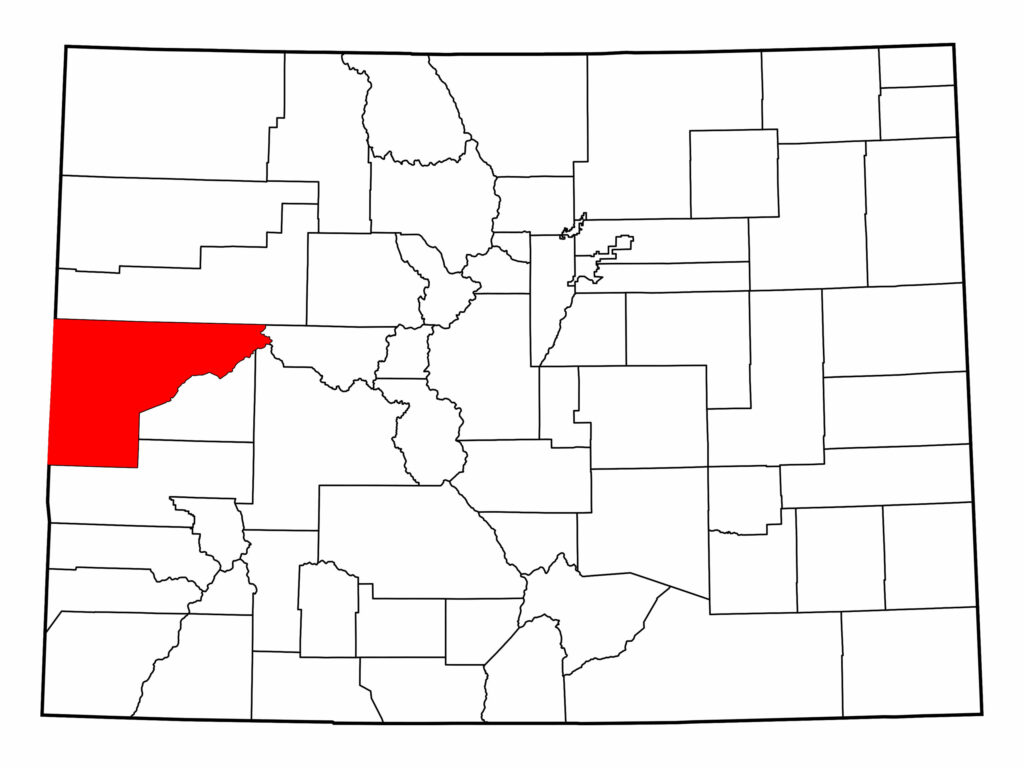
The unvaccinated gelding resides in Mesa County.
This inflammation of the lungs most commonly affects foals, but that doesn’t mean your mature horse isn’t at risk.