Looks Can Be Deceiving: Ringworm and its Look-Alikes
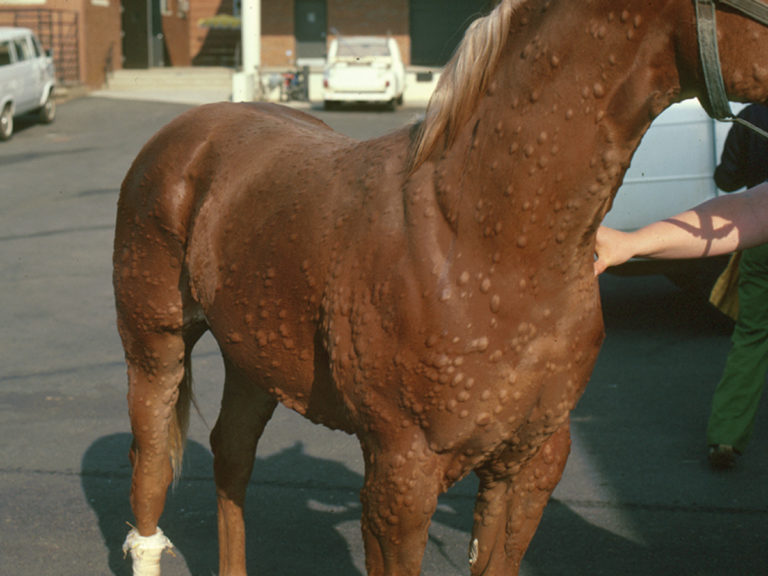
Differentiating between ringworm and other skin conditions is important when determining treatment.

Differentiating between ringworm and other skin conditions is important when determining treatment.

Horses with gastric ulcers might appear thin and not perform as well as they used to. But many others never show any outward signs.

Lara Tomich, DVM, Dipl. ACVD, says reducing pine in the affected horse’s immediate environment is key to preventing allergies.

You’re unlikely to overbathe an allergy-prone horse with the correct treatments, says an equine dermatologist.

Lara Tomich, DVM, Dipl. ACVD, says more testing, environmental factors, and increased pollen counts could be to blame.

For an older horse, veterinarians recommend general anesthesia with oxygen and monitoring of vital signs when undergoing surgery.
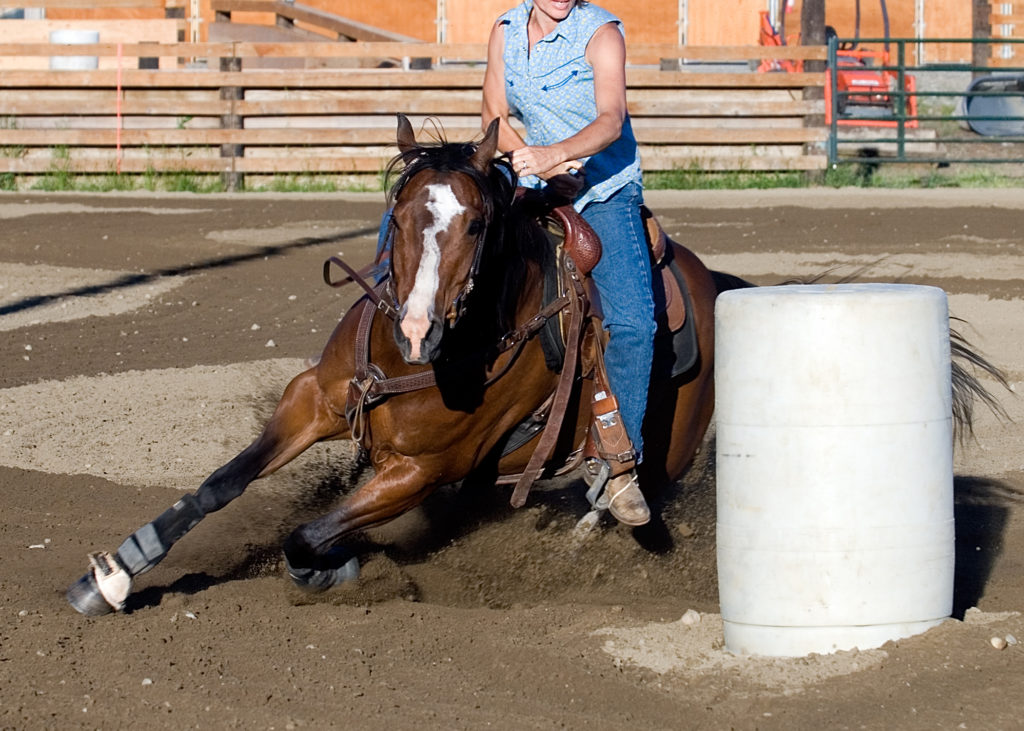
How do you build a nutritional program that supports your high-intensity equine athlete? Three experts share their advice.

An overactive immune system, environmental factors, genetics, and exposure all contribute to equine allergies.
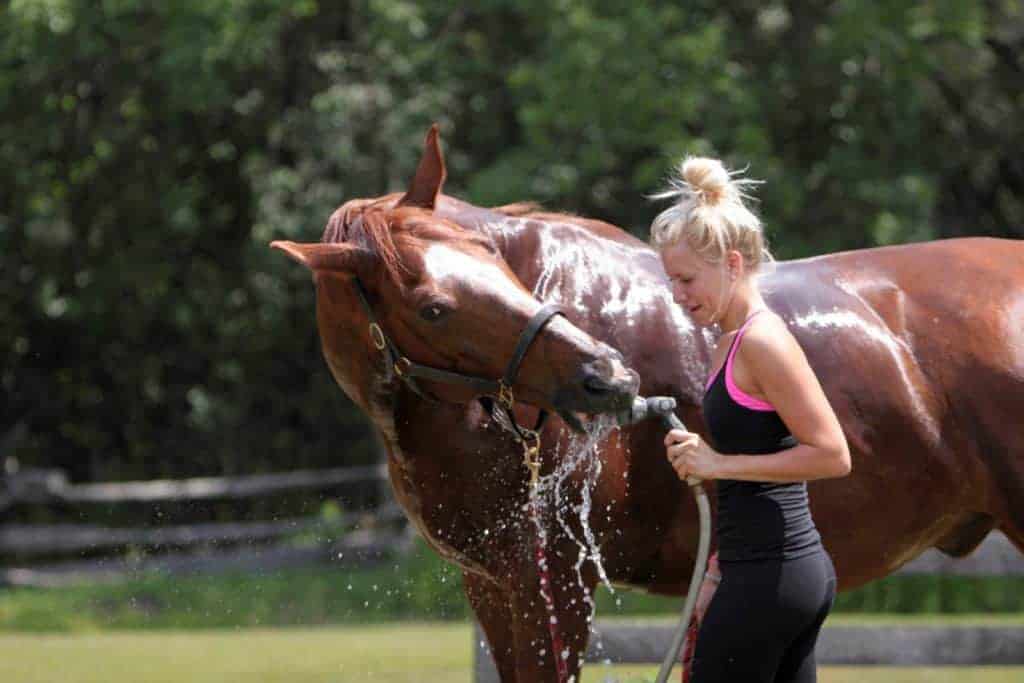
As tough as steamy summers can be on humans, they can be even harder on horses. Two veterinarians share tips on how to help your horse beat the heat this summer.

Discover why supportive care and dietary management are paramount for positive outcomes in acute colitis cases.

Learn to keep your allergy-prone horse comfortable in this archived recording of our podcast. Sponsored by Kinetic Vet.

Learn how fluid therapy enhances horses’ recovery from life-threatening diseases by correcting dehydration and shock.

Researchers found high concentrations of Sarcina, a bacterium associated with poor gastric emptying, in horses’ glandular lesions.
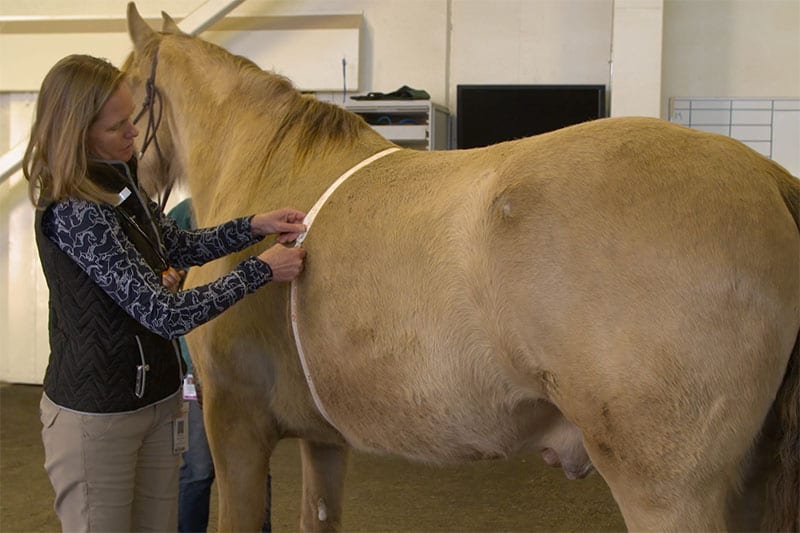
A careful approach to nutrition and exercise can help you keep your horse at an ideal weight.

A mare that underwent cheek tooth extraction and sinus surgery beat the odds and survived bacterial meningitis resulting from the procedure.

Eliminate the feces of R.-equi-infected foals on the farm, which reduces the bacteria the earthworms consume.