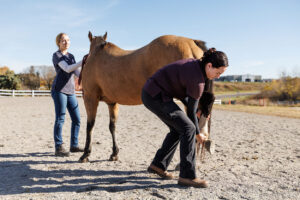
Planning for Your Horse’s Show Season Success
Three top sports medicine veterinarians say the best way to stay competitive is by developing a proactive approach to managing every aspect of your horse’s health and soundness.

Three top sports medicine veterinarians say the best way to stay competitive is by developing a proactive approach to managing every aspect of your horse’s health and soundness.

Dr. Sarah Colmer shares how EPM recovery might vary among horses based on the severity of the disease.

EPM can be difficult to diagnose. Dr. Sarah Colmer explains how veterinarians use a neuro exam, bloodwork, and cerebrospinal fluid to confirm an EPM diagnosis.

In the face of gastric ulcer risk factors, omeprazole protected horses’ stomach lining better than sucralfate alone.

Dr. Sarah Colmer shares management practices and preventive measures horse owners can implement to protect horses from EPM.

Disease control focuses on prevention through increased biosecurity protocols.

Dr. Sarah Colmer of the University of Pennsylvania’s New Bolton Center describes this neurologic disease and how horses contract it.

Do you have an itchy horse? Learn more about insect bite hypersensitivity with our visual guide.
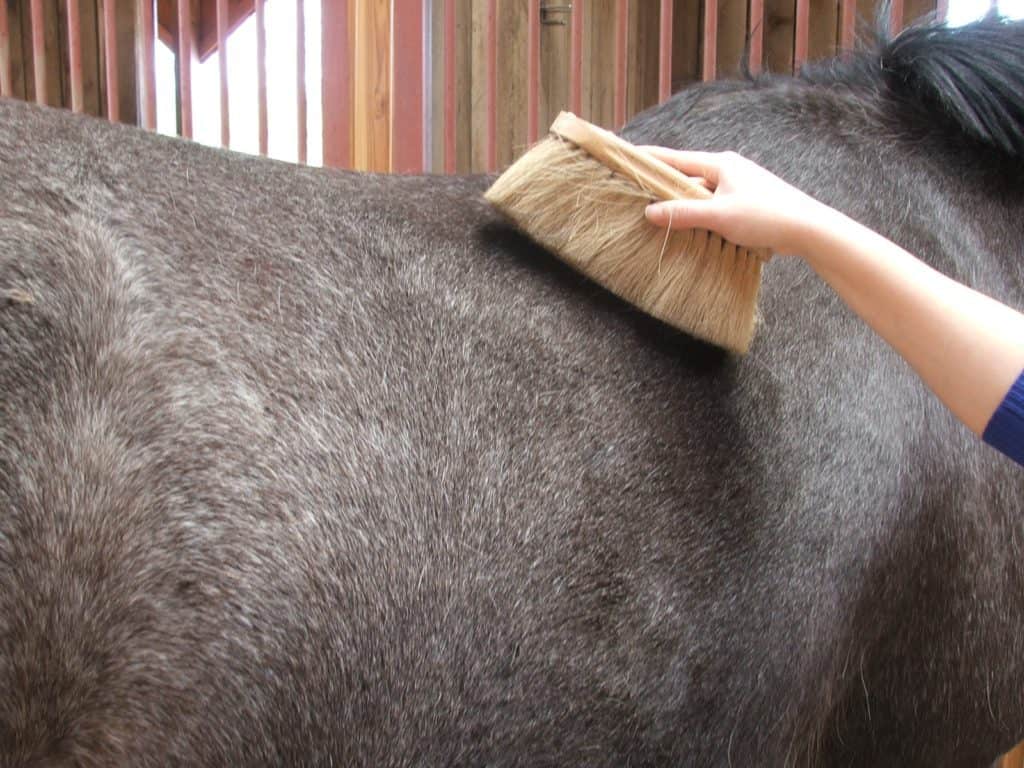
Senior horses with PPID need careful monitoring and preventive care because of equine Cushing’s effects on immunity, exercise tolerance, thermoregulation, and wound healing.

Learn how to treat this skin condition in show horses without inadvertently breaking drug rules.

From imaging to diagnostic tests, vets have many ways to help horses with EPM, wobbler syndrome, and spinal cord injuries.
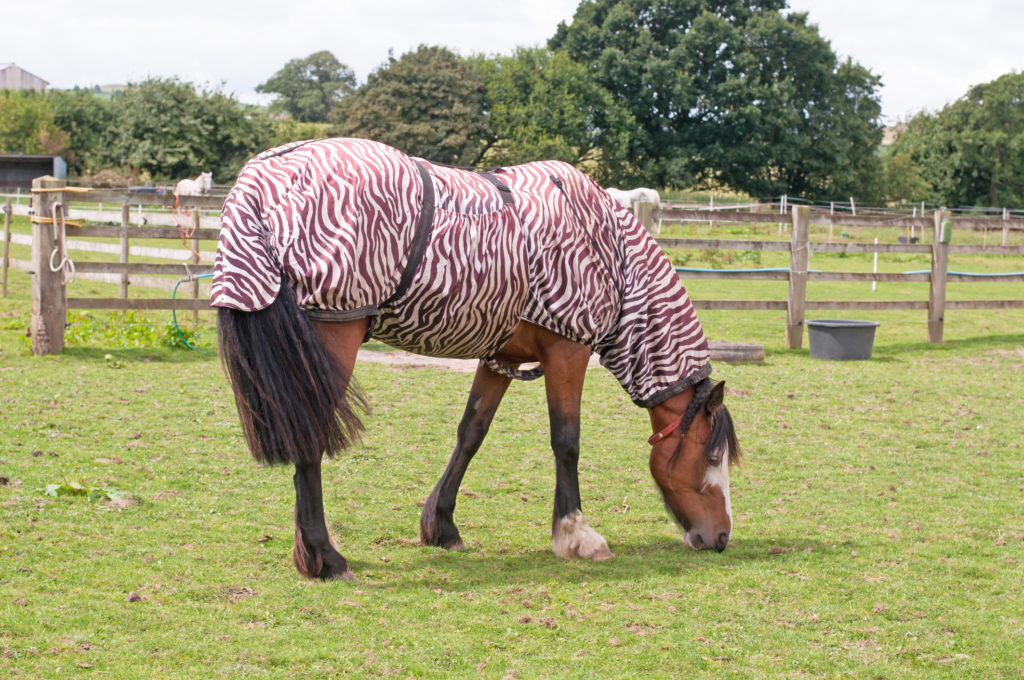
Help keep your horse healthy and get the most out of the coming months by increasing your understanding of—and watching for—five common health conditions seen during the summer.

Do you have an itchy horse? Learn about 6 possible causes of pruritus in this visual guide.

Warm-season grasses, such as Bermuda and modified crabgrass, and early morning turnouts might be ideal for obese horses and those with metabolic issues.
Equine protozoal myeloencephalitis (EPM) is notoriously difficult for veterinarians to diagnose and equally tricky to treat. But there’s hope as researchers continue to investigate this neurologic disease. Sponsored by Kentucky Performance Products.

The group will convene later this year to share the current state of expertise in the neurologic disease’s key areas.