R. Equi Overtreatment Fuels Multispecies, Multidrug Resistance
Breeding farm managers want zero foal deaths, but at what greater cost?
Horse-health-problem risk factors, prevention, diagnosis, and treatment

Breeding farm managers want zero foal deaths, but at what greater cost?

The most common horse vertebral issues seen over a decade at one diagnostic lab were wobbler syndrome, fracture/subluxation, and abnormal spinal curvature.

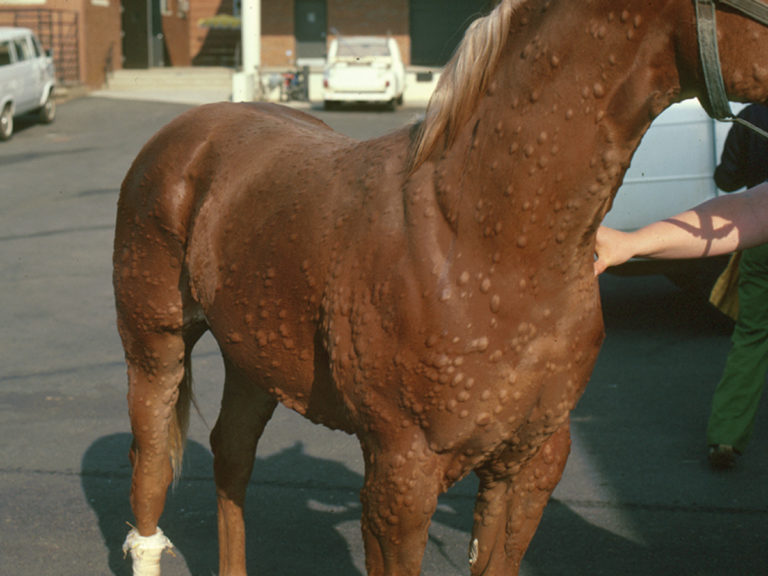
A horse owner asks how omega-3s might help her hives-afflicted horse and if adding a fat supplement will unbalance his diet.

Regular, strategic vaccination is a safe, effective method to greatly minimize the chances of deadly diseases impacting your herd.

One horse tested positive, and six have been exposed.

The Quarter Horses from Lubbock and Kaufman counties have been euthanized.

Test results are pending for a third suspected case.

Here’s how to protect your horse from this highly contagious respiratory virus.

One horse on a Ponoka County, Alberta, premises tested positive for equine infectious anemia.

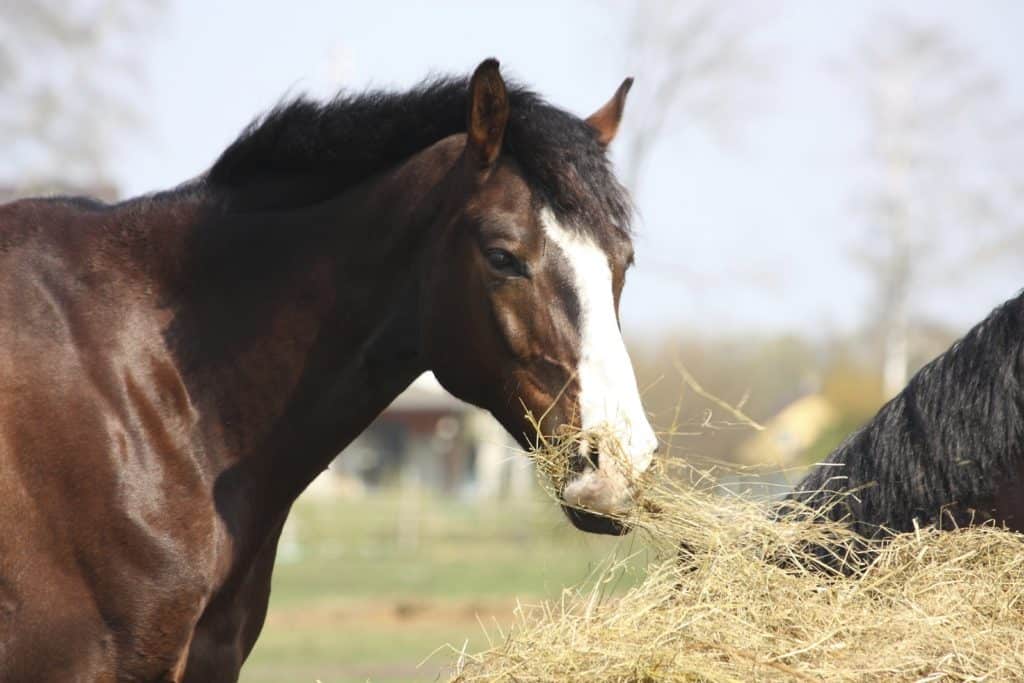
Don’t just focus on teeth when addressing the underweight old horse; prioritize diet and lifestyle changes.

Bleeding in the lungs is common in horses performing maximally, and researchers are learning more about why.

EHV-2 and EHV-5 behave unlike EHV-1 and -4 and respond differently to antivirals, leaving researchers eager to better understand their importance.

Dr. Alicia Long describes behavioral signs a horse with gastric ulcers might exhibit.

Dr. Alicia Long answers a listener’s question about why a horse might suffer from fecal water that’s worse in the fall.

What’s the best way to help soothe a horse’s stomach while he’s getting bute or other NSAIDs? Dr. Alicia Long of the University of Pennsylvania offers advice.

Thorough exams, conducted early in the inflammation process, make way for better treatment planning.
Stay on top of the most recent Horse Health news with
"*" indicates required fields