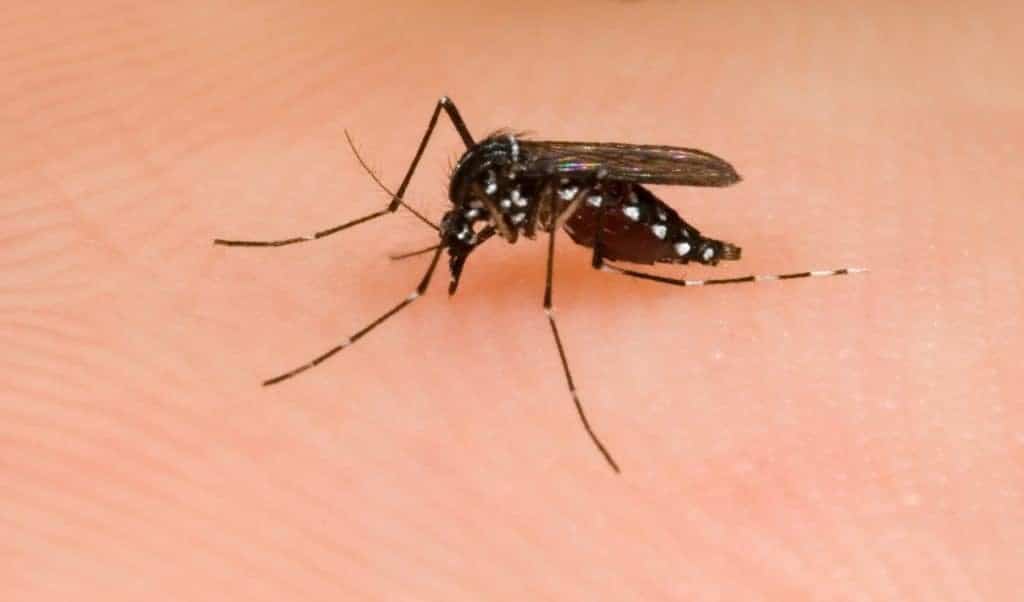
Is West Nile Virus a Forgotten Disease in North America?
West Nile virus is still a threat to horses, but veterinarians say vaccination rates are down.

West Nile virus is still a threat to horses, but veterinarians say vaccination rates are down.

Results from a recent study in Egypt showed an association between certain horse demographics and vulnerability to West Nile virus.

Determining exactly which vaccines a horse needs can be confusing. Here are some basic do’s and don’ts to make sure you’re providing the disease protection your horse needs.

Learn how to control this rapidly progressive infection within the horse’s subcutaneous skin layer.
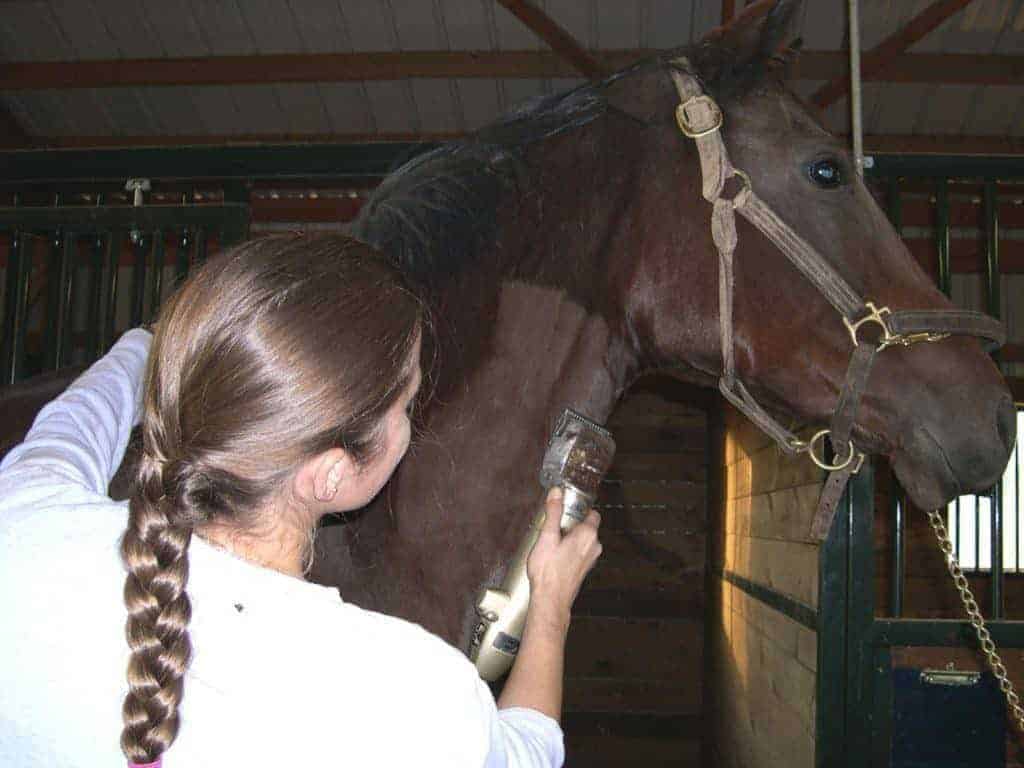
A veterinarian offers tips to keep horses with sensitive skin comfortable when clipped.


Judges often place overweight ponies—which could be at greater risk for metabolic issues and laminitis—higher than their leaner counterparts in competition.
Veterinary authorities recommend these vaccines for all horses, every year.

The guidelines can help veterinarians make a diagnosis, recognize clinical signs and risk factors, and provide treatment.

Stephen White, DVM, Dipl. ACVD, shares some lesser-known facts about equine dermatology.

Confused by the various vaccine types, schedules, and administration routes for horses? Here’s what you need to know.

Differentiating between ringworm and other skin conditions is important when determining treatment.

Horses with gastric ulcers might appear thin and not perform as well as they used to. But many others never show any outward signs.

Lara Tomich, DVM, Dipl. ACVD, says reducing pine in the affected horse’s immediate environment is key to preventing allergies.

You’re unlikely to overbathe an allergy-prone horse with the correct treatments, says an equine dermatologist.

Lara Tomich, DVM, Dipl. ACVD, says more testing, environmental factors, and increased pollen counts could be to blame.