Long in the Ears: Caring for Mules and Donkeys as They Age
Aging mules and donkeys need to be managed just as carefully as horses. Here’s what you need to know.

Aging mules and donkeys need to be managed just as carefully as horses. Here’s what you need to know.
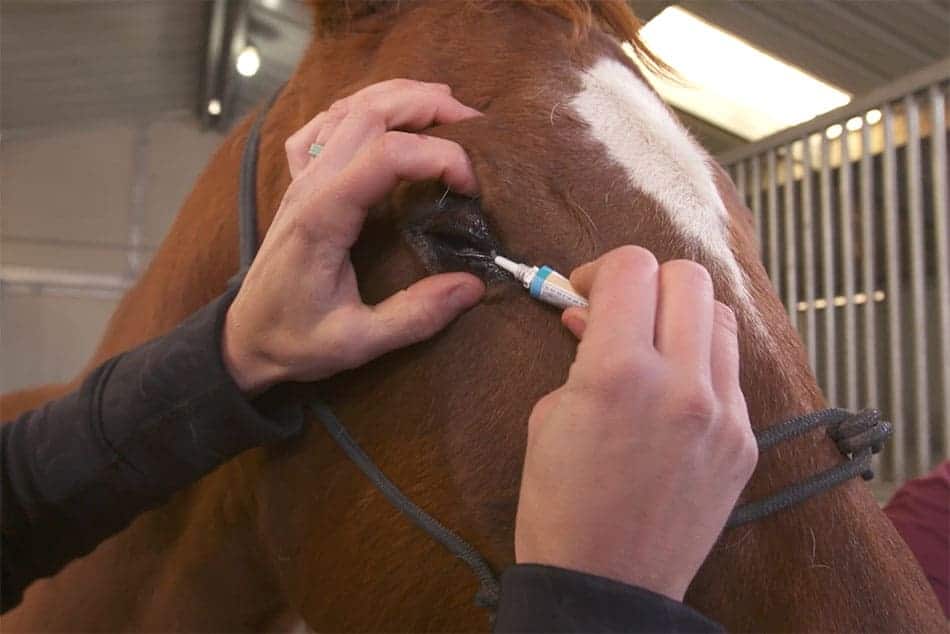
Administering eye medication can be tricky, but these tips make the task easier.

Researchers studied the effects of transitioning horses from pasture life to a training program on their risk of developing ulcers.

A once-heavy senior horse is struggling to hold condition after dental work. Our nutritionist weighs in.

Knowing how to look inside your horse’s mouth safely can help you catch problems early.

While ultrasound doesn’t always provide a definitive diagnosis, it can be a useful tool for gathering critical information.

A veterinarian explains how he uses serum amyloid A to diagnose many equine conditions, plus its limitations.

Horses with equine Cushing’s disease need regular assessments to determine their response to pergolide and adjust dosing as needed.

A veterinarian says both age and breed can affect a horse’s predisposition to insulin resistance.

Insulin moves glucose from the blood into muscle and other tissue, but sometimes the process doesn’t go smoothly.

Evaluating what your horse is eating, and making gradual changes, can promote a healthier gastrointestinal microbiome.

A veterinarian explains the relationship between high insulin and laminitis in horses.

Discover how each region of your horse’s digestive system works in this visual guide.

Born to forage all day, horses constantly secrete stomach acid. Acid-buffers can help meal-fed horses, but will they create future problems? Find out from our equine nutrition expert.

An equine veterinarian explains the risks of breeding an insulin-resistant mare.
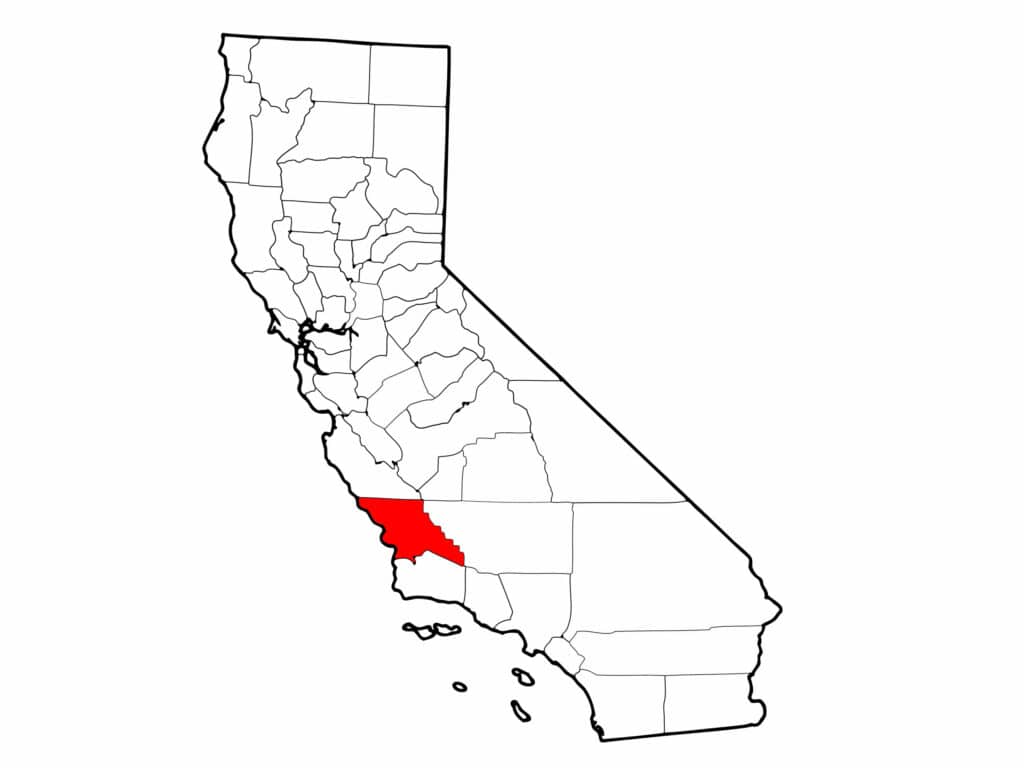
The stallion was likely exposed to WNV in Mexico before arriving in the U.S.