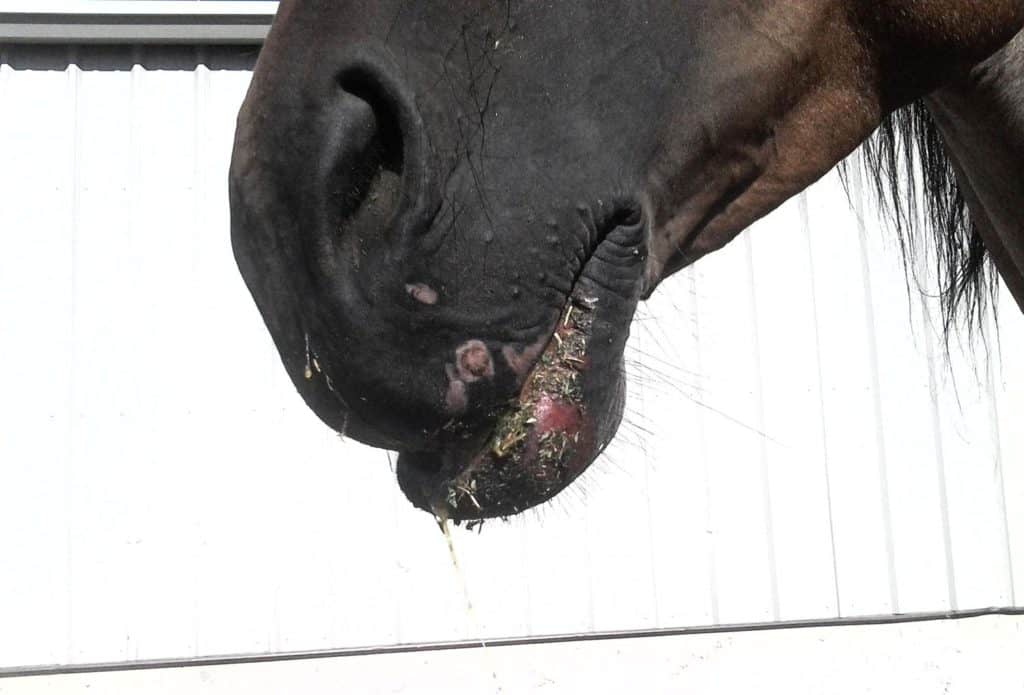
Third New Mexico County Confirmed With VSV in 2020
Seven premises in three counties in the state are now affected.

Seven premises in three counties in the state are now affected.

The Cochise County horse marks Arizona’s first confirmed case of vesicular stomatitis virus for 2020.

Horses are confined to netted stalls to protect them from the midges that spread African horse sickness and to prevent potential spread from the new vaccine.

State animal health authorities have confirmed a King County horse with the neurologic form of equine herpesvirus-1. The horse’s boarding farm is currently under quarantine.

Newborn foals are easy targets for every kind of bacterium, virus, and other pathogenic organism. Here are some steps you can take to maximize your foal’s immunity from gestation to weaning.

The affected horse has met testing requirements, and no additional horses were infected.

The Clarke County horse is the state’s first case of 2020.
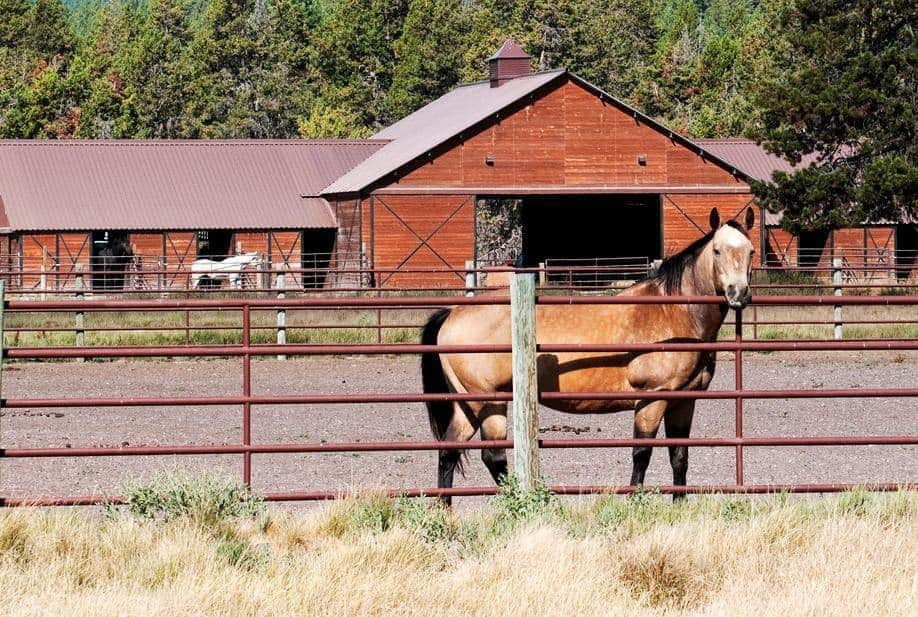
A listener asks how to make pastures safe for insulin resistant horses. Equine forage researcher Krishona Martinson, PhD, MS, responds and shares the risks associated with allowing IR horses to graze.

Grooming gives you visual and tactile information about your horse’s health.
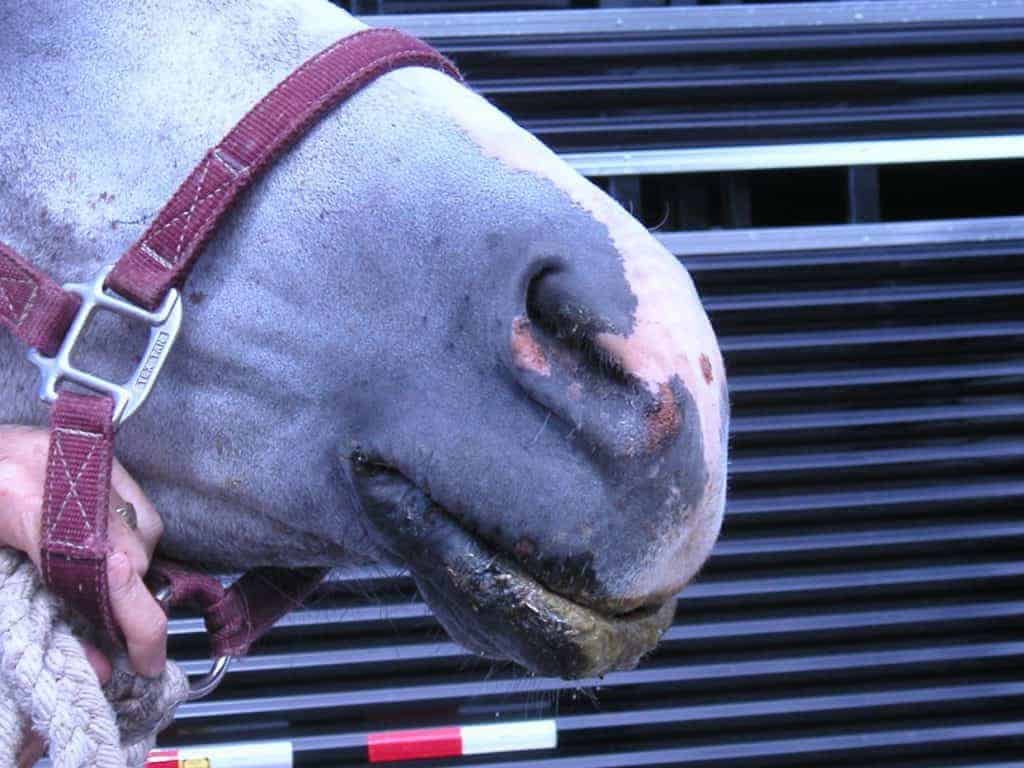
Officials quarantined premises in adjoining Dona Ana and Sierra counties.

The horses from Polk and Orange counties have died.

The two affected Quarter Horses have been euthanized.
Forty-eight horses at the affected horse’s Sonoma County premises are under quarantine after being exposed to the EHV-1-positive mare.

Being prepared for an equine emergency can help make the situation less stressful and result in a more positive outcome.

The World Organisation for Animal Health (OIE) hosted a global webcast as humans—facing a health crisis of their own due to COVID-19—try to protect horses and prevent the spread of AHS during the disease’s current outbreak in Thailand.

A veterinarian dispels 4 common rumors that often sway an owner’s decision to pursue surgery for a colicking horse.