Spring Grass Safety for Your Horse
As benign as it might seem, this fresh forage can cause more harm than good. Here’s what to remember.

As benign as it might seem, this fresh forage can cause more harm than good. Here’s what to remember.

Veterinarians successfully used a treatment option from human medicine to reduce squamous cell carcinomas in horses’ eyes.

Get tips for keeping disease-spreading ticks off your horse from Dr. Erika Machtinger of Pennsylvania State University.

Adult horses are at greatest risk of infection in late winter and early spring.

Ticks can infect horses with an array of diseases including piroplasmosis, ehrlichiosis, and Lyme disease.
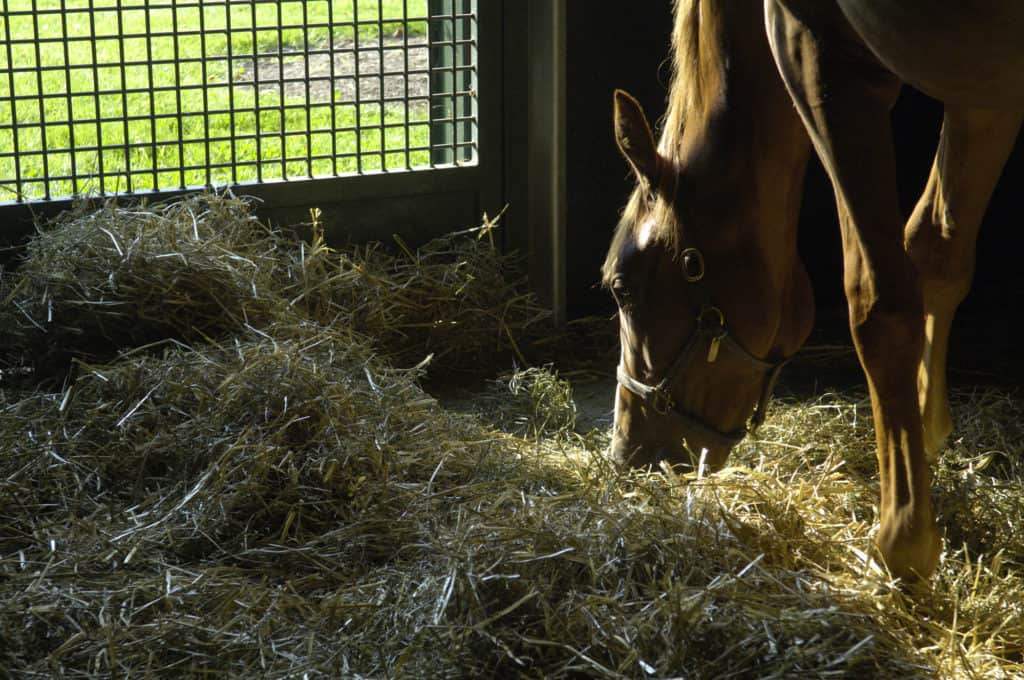
Management strategies include inhaled corticosteroids and environmental changes such as steaming hay.

A veterinarian shares the latest research findings regarding Lyme disease in horses and her practical experience as a veterinary internal medicine specialist in the heart of Lyme country.

Do older horses that eat senior feeds have a higher risk of choke?

All exposed horses remain under voluntary quarantine.

Is the pungent smell of ammonia taking over your horse barn? Try a stall deodorizer or refresher.

Eleven additional horses are suspected positive for infectious respiratory disease, and more than 50 exposed horses are under voluntary quarantine in Douglas County.

Two leading genetics researchers described current and upcoming tests for a variety of heritable equine conditions.

Here’s your update on horses affected by equine infectious anemia in Polk County.

An additional 16 horses are under voluntary quarantine.
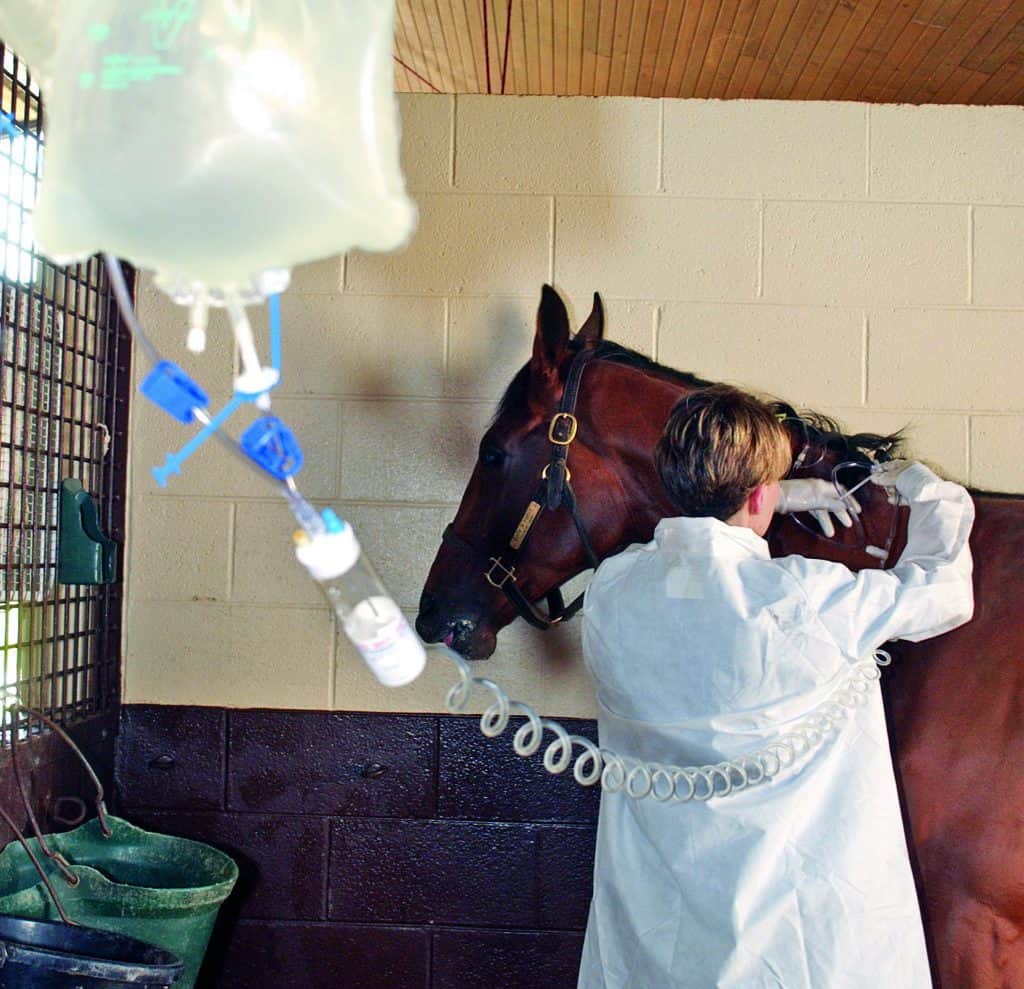
A Texas A&M-led study sought to describe “normal” equine microbiomes and compare those results to horses with colitis related to both antibiotic administration and Salmonella infection.
An additional 20 horses were exposed.