Diseases Affecting the Equine Vertebral Column
The most common horse vertebral issues seen over a decade at one diagnostic lab were wobbler syndrome, fracture/subluxation, and abnormal spinal curvature.

The most common horse vertebral issues seen over a decade at one diagnostic lab were wobbler syndrome, fracture/subluxation, and abnormal spinal curvature.

Pinpointing an injury’s location is important for not only an accurate diagnosis but also a proper treatment and successful outcome.

Researcher: Chiropractic care might help address the compensatory pain and dysfunction that result from a primary lameness.

Racetrack veterinarians can trust PET when looking for fetlock pathologies that can potentially lead to serious injuries if left undiagnosed.

Belgian researchers use both modalities to investigate the causes of foot pain in 30 horses referred to the equine hospital for forelimb lameness.

Autologous protein solution, an orthobiologic therapy, might help veterinarians treat hard-to-heal tendon injuries.

Modifying training programs and monitoring lesion sites might help protect against PSB fractures in this population of horses.

Researchers found the choice of steroid used for sacroiliac joint injections predicted outcomes better than whether the horse underwent a preprocedure ultrasound.
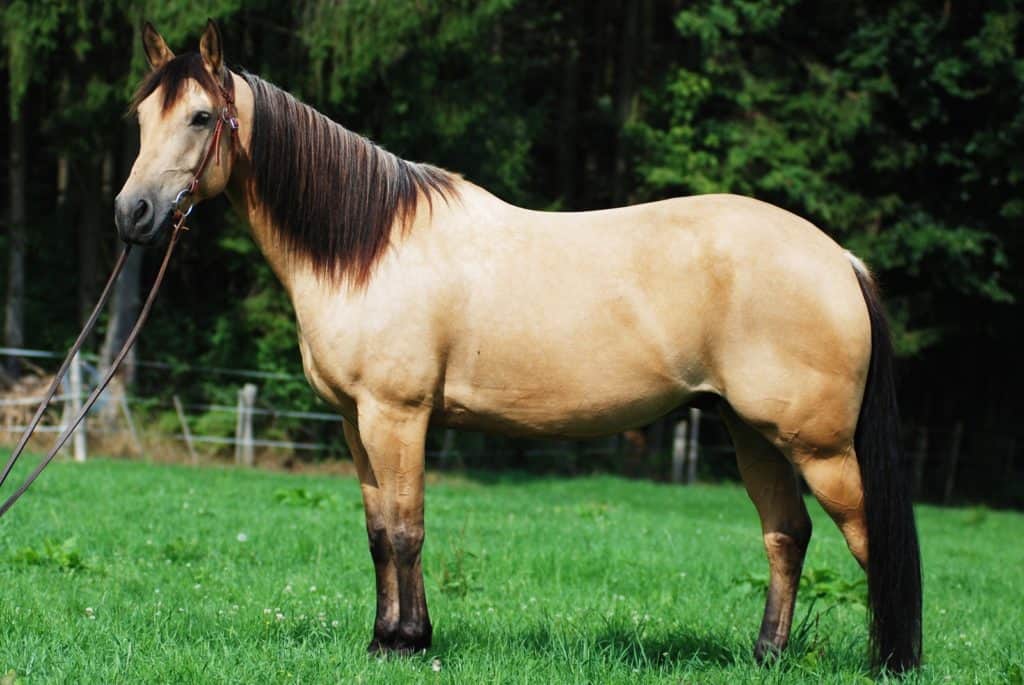
What impact do structural deviations really have on your horse’s soundness and performance? Here’s what you should know.

Researchers found individual horses can have such widely different vertebral columns, they don’t even have the same number of vertebrae.
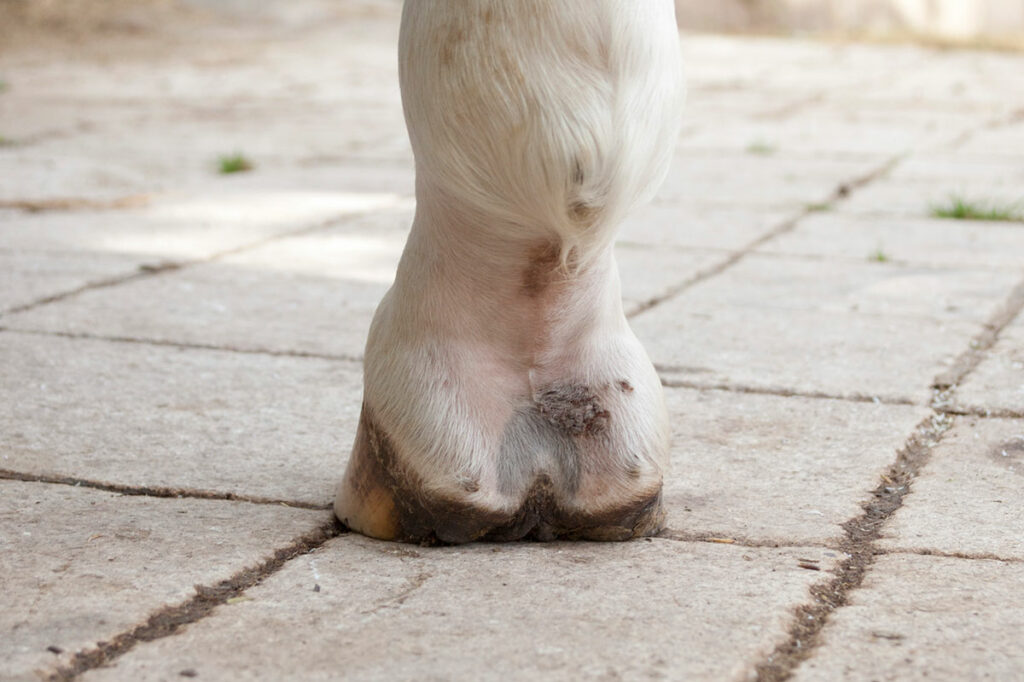
Researchers found areas with equine pastern dermatitis had less bacterial diversity and more Staphylococcaceae than healthy skin.

Scientists found that a professional’s light, steady, straight pull at a slightly downward angle relieved pain at several sites along the equine spine.

Find out when a half-pad will improve your horse’s comfort and when it might cause more harm than good.
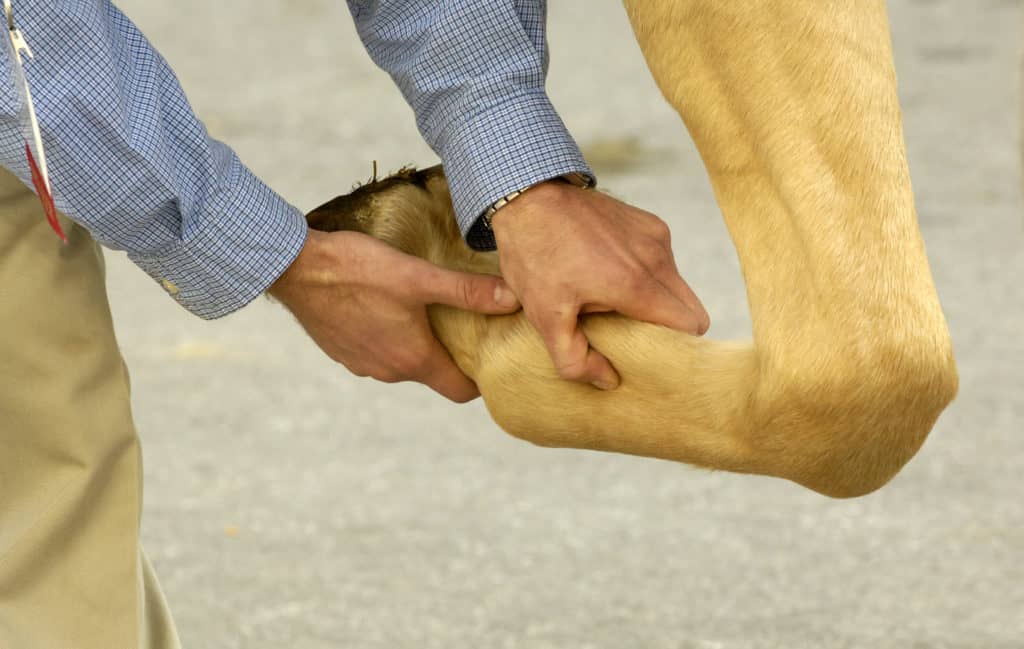
The editors of The Horse: Your Guide To Equine Health Care have scoured our archives and gathered our top lower limb lameness content. Sponsored by Hallmarq Veterinary Imaging.

Italian researchers found higher-placed haynets significantly shorten horses’ back muscles and change their jaw angles as they eat.

Find out how to keep you, your prone-to-worry horse, and those around him safe.