Radiographic Fetlock Abnormalities in Barrel Racing Horses
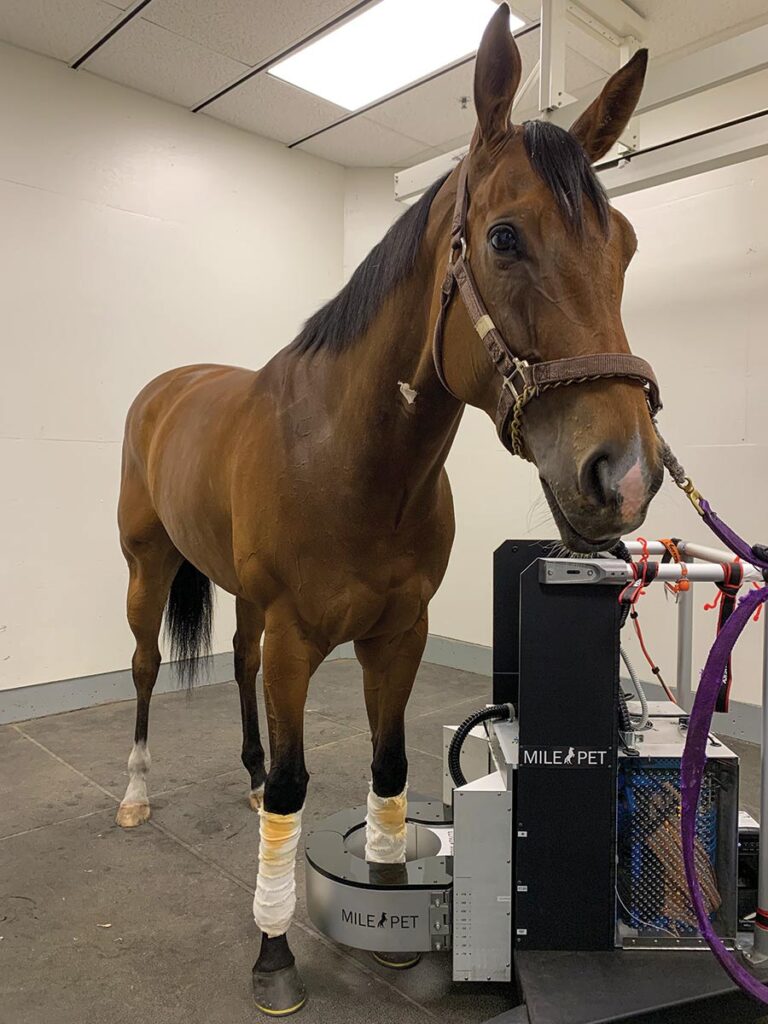
Nearly 50% of high-performance barrel racers evaluated showed radiographic changes in their fetlock joints.

Nearly 50% of high-performance barrel racers evaluated showed radiographic changes in their fetlock joints.

Exercising the multifidus muscles in addition to daily training could reduce equine back pain.
The first discussion, which will cover sacroiliac pain in horses, is scheduled for Aug. 6 at 6:30 p.m.

Researchers found that foals turned out to pasture had similar joint defects as those exercised daily.

Research indicates that most sound horses’ movements differ depending on direction of travel on a circle.
The hind limb lameness seminar will be held in conjunction with the AAEP’s Business Education Workshop.
A recent study suggests that with supportive care affected foals can lead healthy and productive lives.
The team measured anti-Mullerian hormone in the blood to successfully diagnose chryptorchidism.

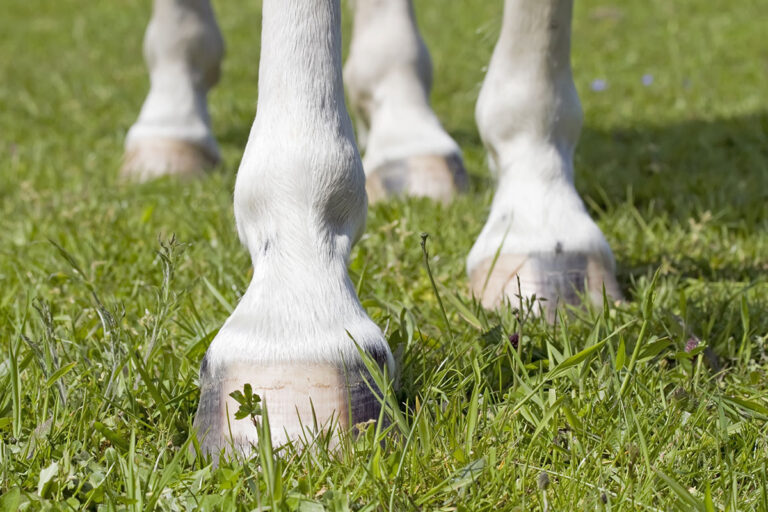
One researcher described how to evaluate horses’ feet, legs, and gaits for potential soundness or lameness.
The 2012 program kicks off on Feb. 23 with “Managing Angular Limb Deformities in the Young Horse.”

A physical therapy program is owner- and horse-intensive in terms of time and energy for successful outcomes.
The schedule includes three owner seminars, a breeding clinic, and three pedigree and conformation clinics.
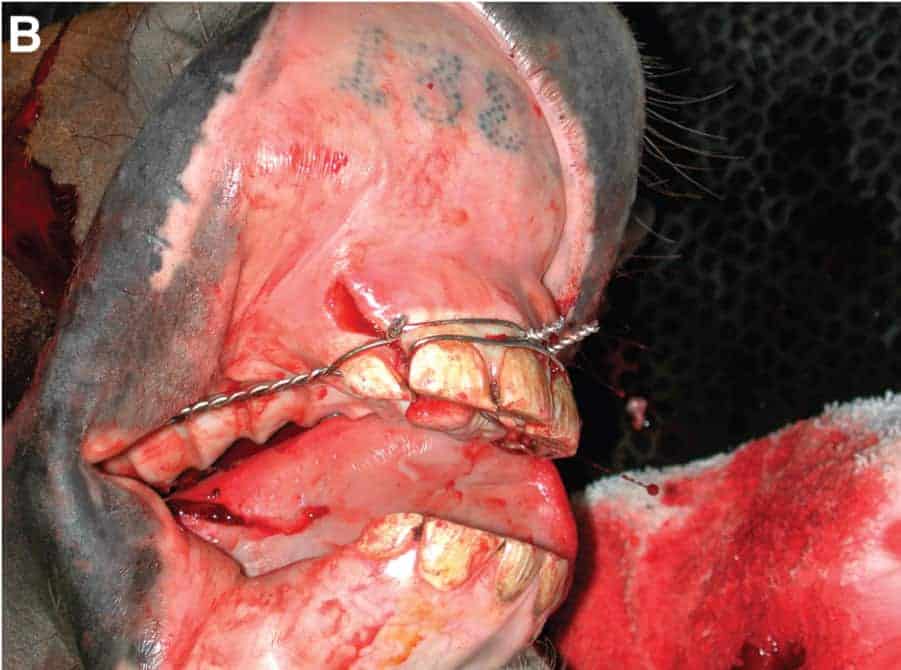
Despite their ghastly appearance most jaw fractures can be repaired relatively easily in a field setting.
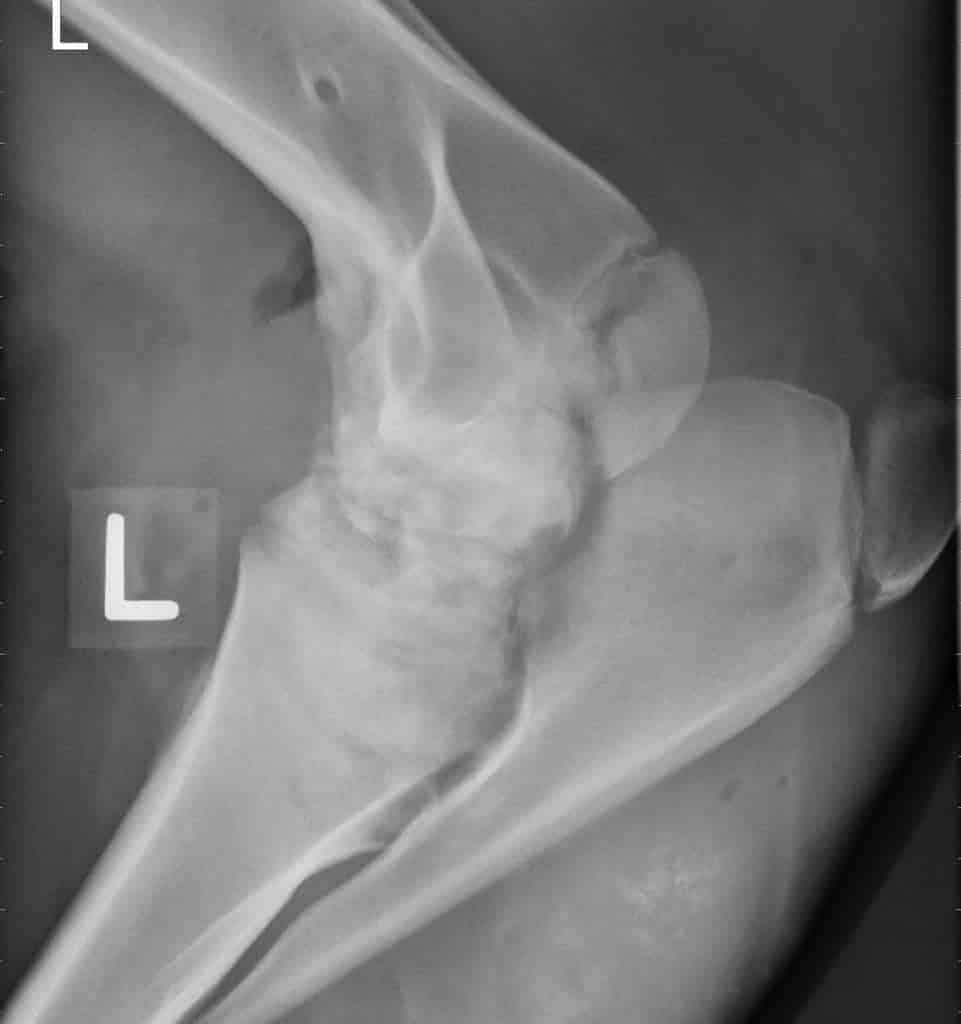
Treatment goals should be to aid in performance without eliminating the joint’s natural response to injury.

Kissing spines are more likely to cause clinical problems in certain breeds, disciplines, and age groups.

A thorough physical examination and tailored therapeutic approach can help relieve equine neck and back pain.