AAEP Updates Vaccination Guidelines
The guidelines make new recommendations for core and risk-based vaccines for horses. The committee further emphasizes that routine vaccinations are considered essential during the COVID-19 pandemic.

The guidelines make new recommendations for core and risk-based vaccines for horses. The committee further emphasizes that routine vaccinations are considered essential during the COVID-19 pandemic.

Few horses are lucky enough to have constant, year-round access to fresh, green grass, which provides the best natural source of vitamin E. This powerful antioxidant supports muscle and nerve health. Is your horse getting enough? Learn about horses’ vitamin E requirements and how to prevent deficiencies during this live event. Sponsored by Kentucky Performance Products.
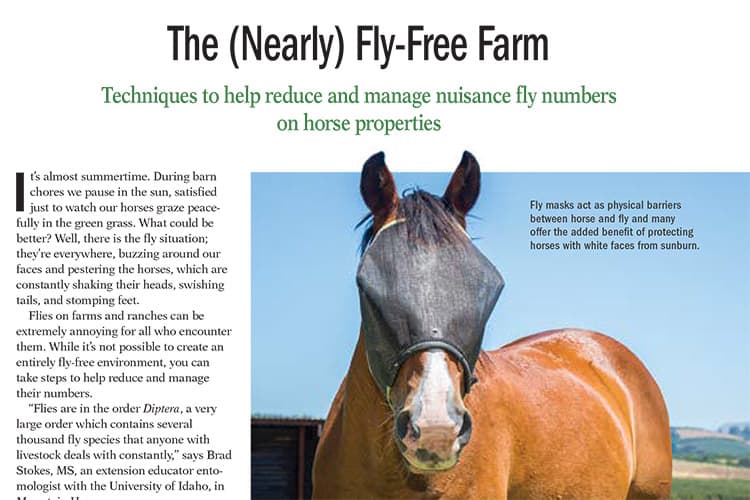
Flies on farms and ranches can be extremely annoying for all who encounter them. While it’s not possible to create an entirely fly-free environment, you can take steps to help reduce and manage their numbers.

Using 0.2% PHMB-impregnated gauze reduced the growth of underlying bacteria commonly implicated in orthopedic wounds and infections of horses.

With people staying home during the COVID-19 pandemic, more horse owners seem to be seeking nutrition advice online.

Two boarding barn operators offer practical management tips for individuals who run (or plan to someday run) boarding businesses.

A team from Norway conducted a series of studies on coat type, body-clipping, and metal shoes to understand how and where horses lose body heat.

The cases follow Texas’ 2020 index case of equine infectious anemia in March.

As African horse sickness (AHS) continues to spread across Thailand, horse owners seek vaccines and Cambodia works to protect horses on its Thai border.

Drs. Susan White and Ann Rashmir offer insight on which allergy test is best and their role in managing itchy horses.
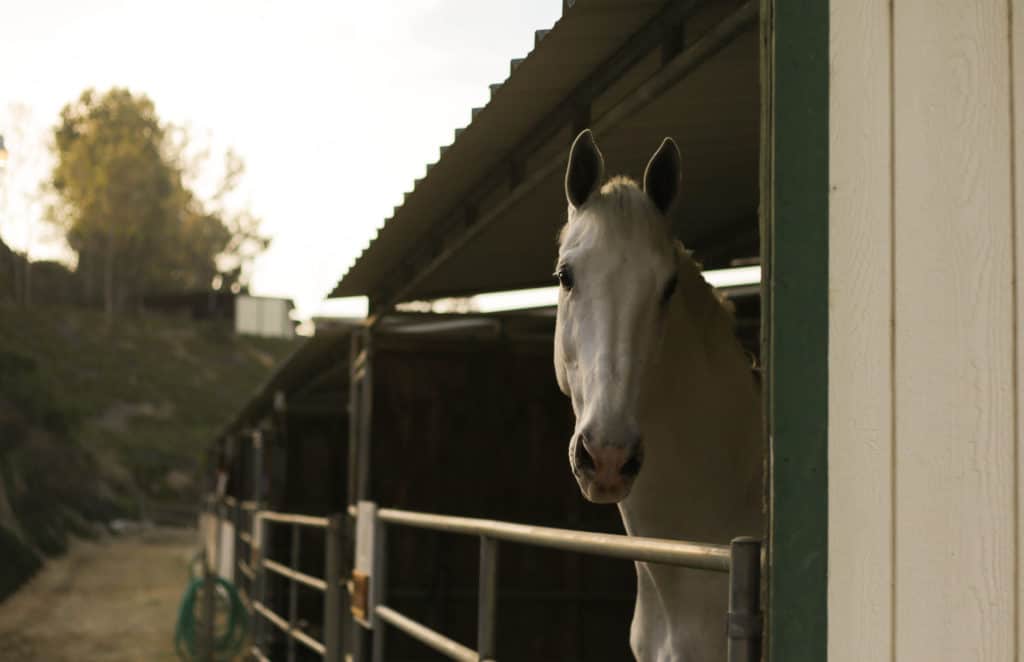
Adjusting a horse’s environment and administering medications as needed can help some asthmatic equids return to function.
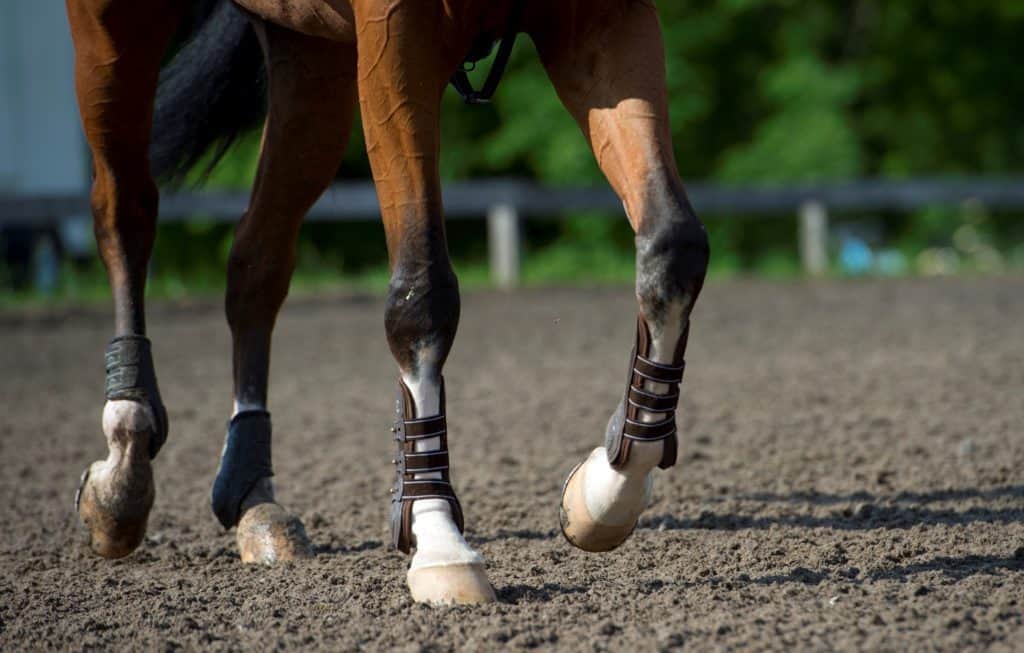
Should a buyer be concerned about a horse receiving bisphosphonates in the past? A sports medicine specialist offers insight.

Learn about caring for your gelding post-castration and possible complications to watch for.
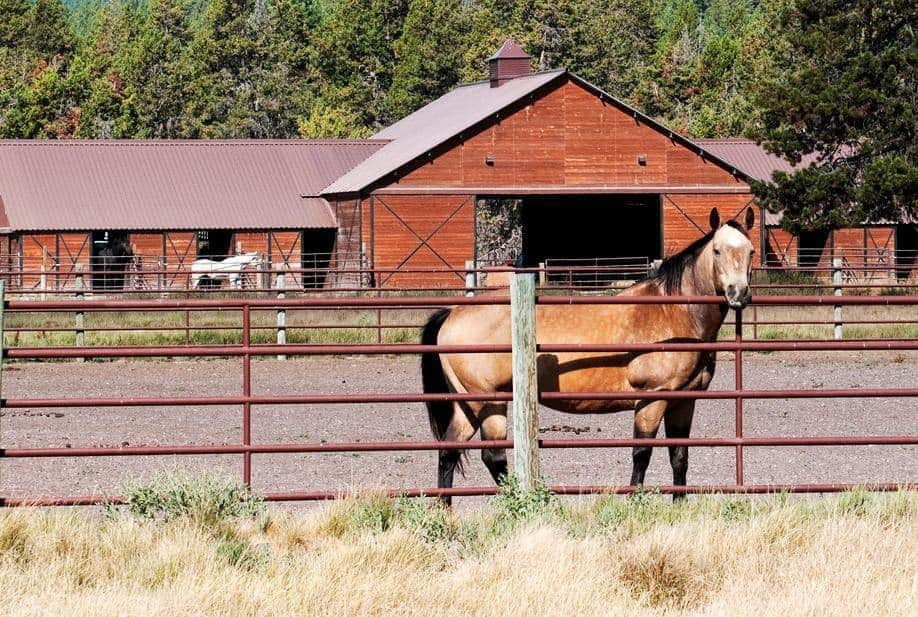
Recent research has given us more insight into how to manage horses affected by or vulnerable to laminitis. If your horse falls into the at-risk category, consider these diet changes.

Two new suspect premises have also been identified in New Mexico.

Three horses at a King County boarding facility are now confirmed positive for the neurologic form of equine herpesvirus.