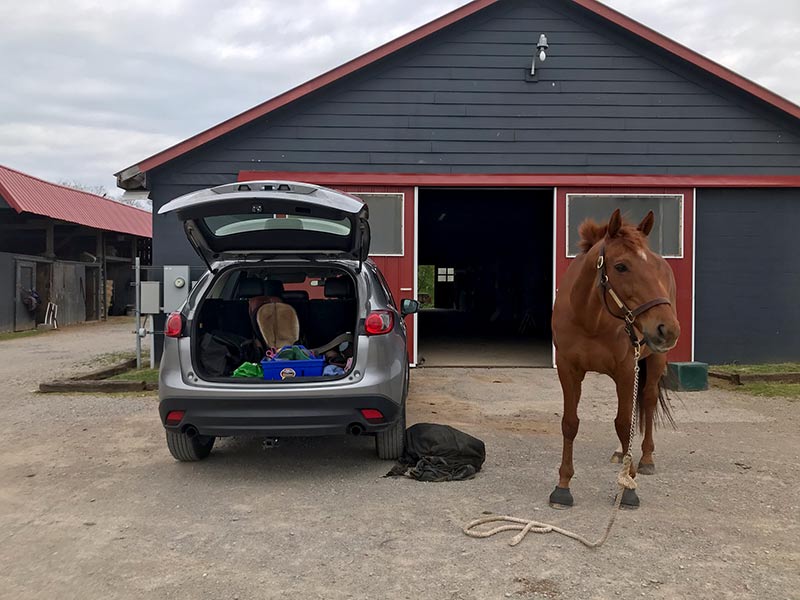
Enduring COVID-19 Changes as a Horse Owner Who Boards
Necessary closures to curb the spread of COVID-19 upended many of our routines and interactions. Here’s a look at how one horse owner is coping.

Necessary closures to curb the spread of COVID-19 upended many of our routines and interactions. Here’s a look at how one horse owner is coping.

The cases mark the first New Jersey serotype VSV confirmed in the United States since 2015 and the first mixed outbreak since 1998.
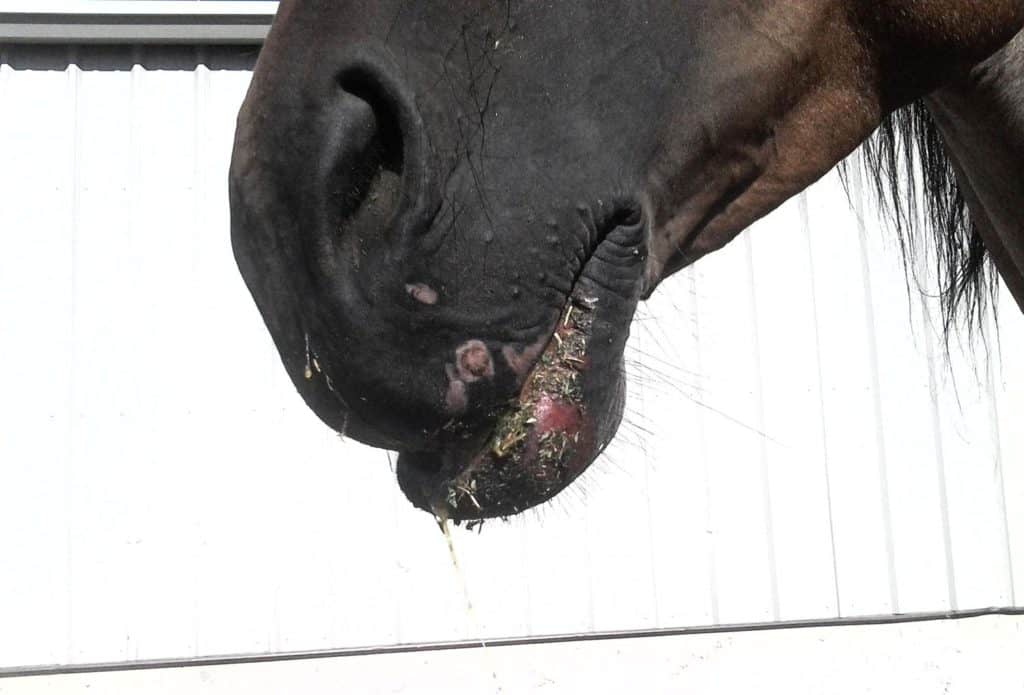
Seven premises in three counties in the state are now affected.

The Cochise County horse marks Arizona’s first confirmed case of vesicular stomatitis virus for 2020.

Horses are confined to netted stalls to protect them from the midges that spread African horse sickness and to prevent potential spread from the new vaccine.

State animal health authorities have confirmed a King County horse with the neurologic form of equine herpesvirus-1. The horse’s boarding farm is currently under quarantine.

Newborn foals are easy targets for every kind of bacterium, virus, and other pathogenic organism. Here are some steps you can take to maximize your foal’s immunity from gestation to weaning.

University of Kentucky researcher and equine industry economist Dr. Jill Stowe gives a glimpse of how COVID-19 is impacting the horse world and looks at the financial challenges that lie ahead.

Public lands are managed by several local, state, and federal agencies, meaning rules and closures might vary, even within the same area. Find out if and where you can ride.
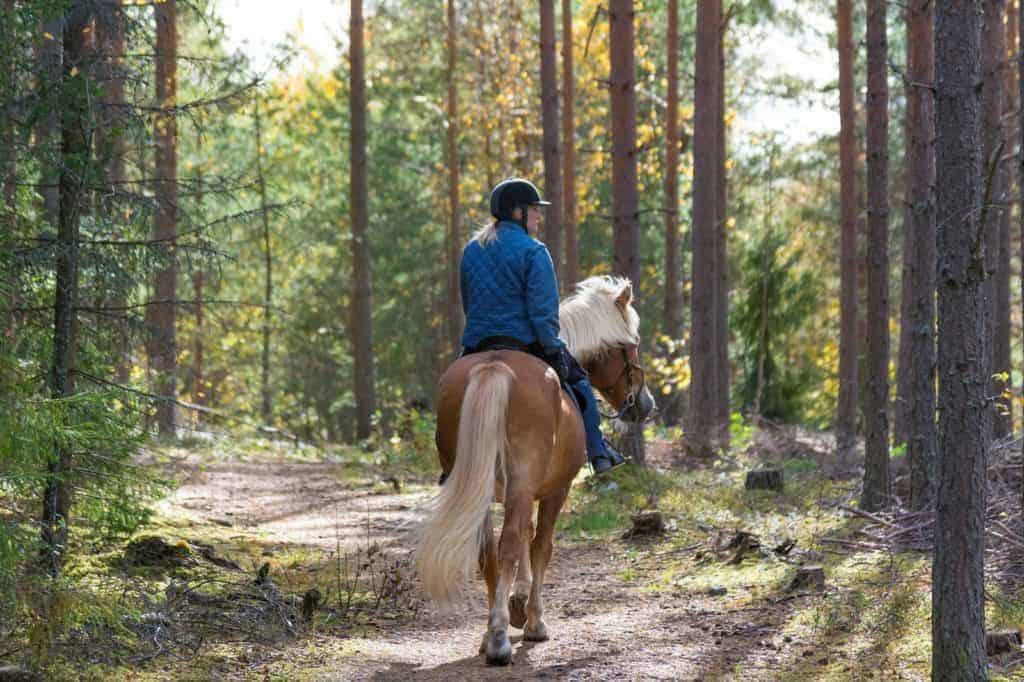
A veteran trail rider shares practical tips to keep yourself healthy and maintain social distancing while still enjoying time on your horse.
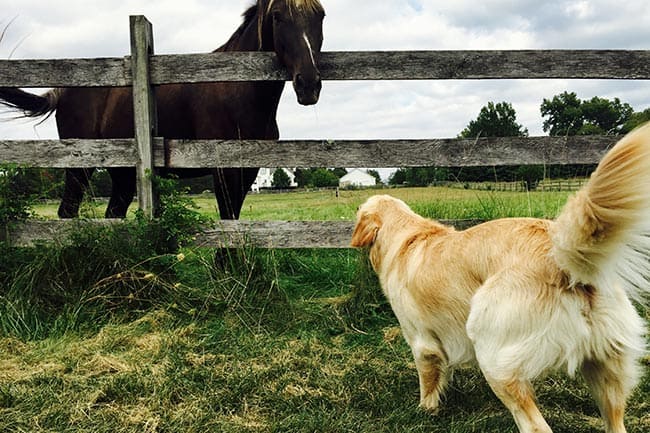
An Italian study found horses and dogs can play together, communicating their intentions of playing and reading and mimicking each other’s facial expressions.

The affected horse has met testing requirements, and no additional horses were infected.

Find tips to keep veterinarians and horse owners safe during the pandemic.

Learn about the clinical signs, diagnosis, and management of pituitary pars intermedia dysfunction (PPID) in this visual guide.

The Clarke County horse is the state’s first case of 2020.

What’s the best way to keep two horses on a half-acre pasture? Equine forage researcher Krishona Martinson, PhD, MS, says small pastures less than 1 acre are common and offers advice to keep them productive.