Learning Theory Terminology and ‘Fair’ Horse Handling
Dr. Camie Heleski describes learning theory to help horse people and vets more safely and humanely interact with horses.

Dr. Camie Heleski describes learning theory to help horse people and vets more safely and humanely interact with horses.

Alisa Herbst is studying inflamm-aging (chronic low-grade inflammation) in senior horses.
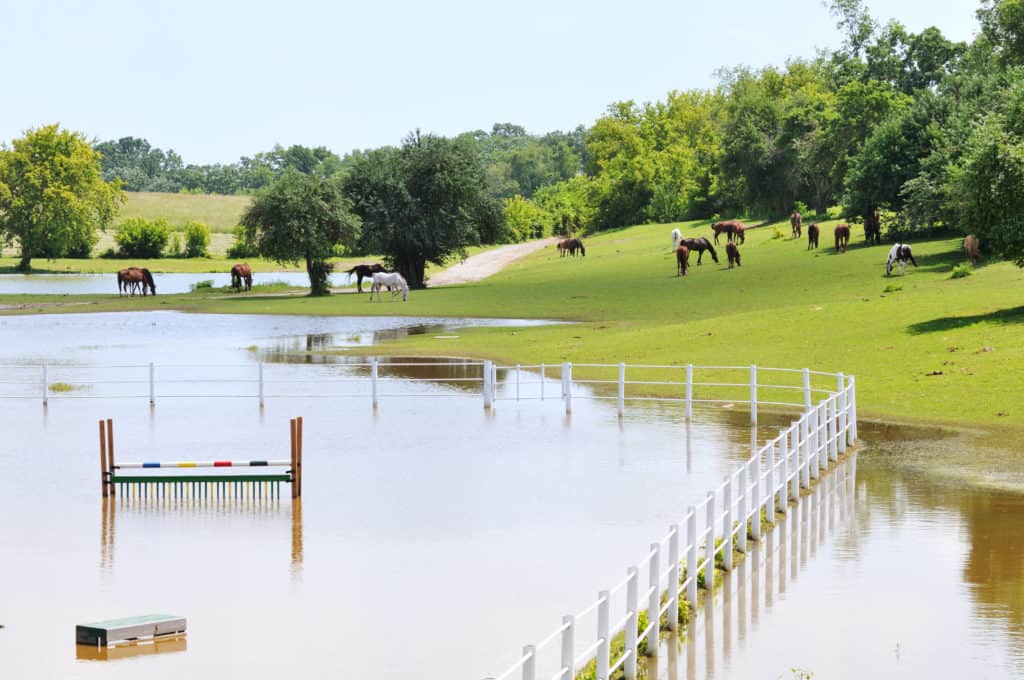
By taking the necessary precautions and having a disaster plan ready, you can ensure that you and your horse are prepared when a severe weather situation arises.
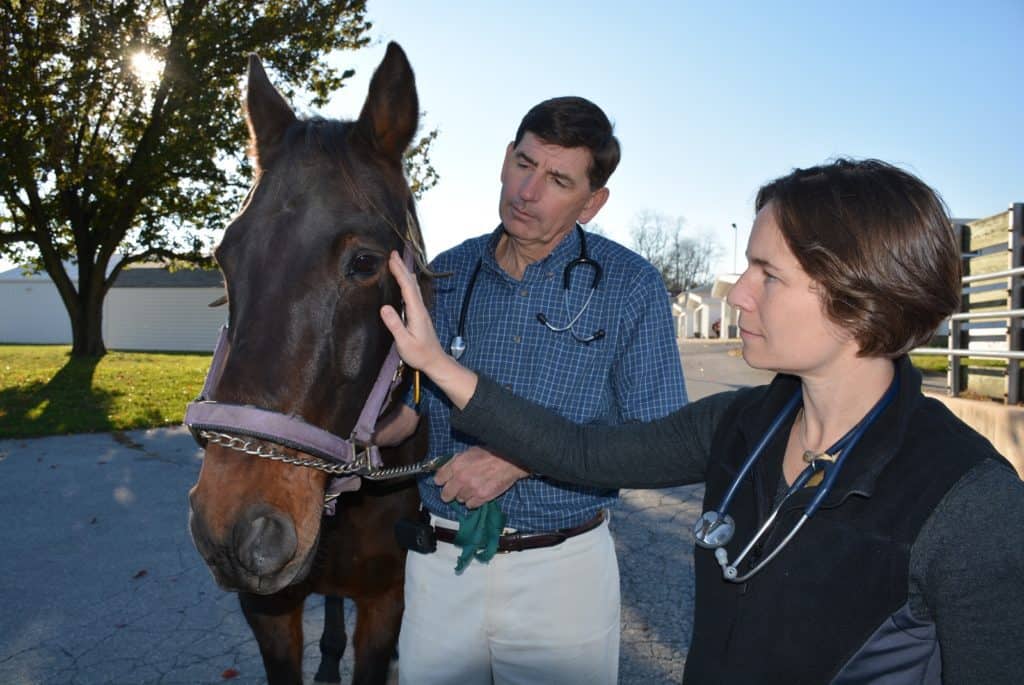
On Tuesday, Oct. 2, Drs. Amy Johnson and Kate Wulster will explore how robotic CT can help neurologic horses during their presentation, “Integrating Innovation in Imaging: Advancements in Neurology.”
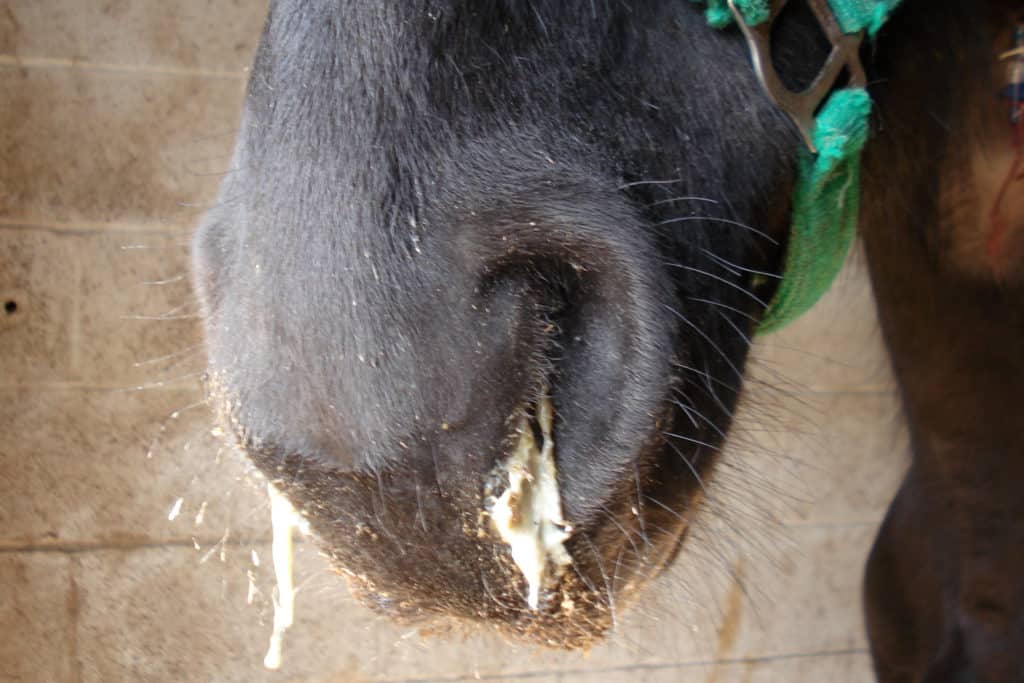
Dr. Joe Lyman of Neogen describes the disease known as strangles and how it’s spread.

Researchers say these differing views have a lot to do with peoples’ personal beliefs and experiences. This indicates that horse welfare is still very subjective, which is why there’s a real need for reliable welfare evaluation tools with objective scoring, they said.

Dr. Roberta Dwyer of the University of Kentucky offers her top piece of advice to protect horses from disease at horse shows and events.

Here’s how a team of local equine practitioners oversaw a temporary on-site clinic, a core team of 35 to 70 veterinarians at any given time, and more to keep horses competing at the 2018 World Equestrian Games healthy throughout the event.

Regenerative therapies can help horses recover following injury. Download this free fact sheet to learn more about stem cell, IRAP, and PRP therapy use in horses.

The ill-fated WEG endurance competition was abandoned amid delays, disruptions, and dangerous heat. Here’s a look back at what went wrong.

What can boarders do when the barn is lax about biosecurity? Dr. Joe Lyman of Neogen shares advice.

Surgical site infection risk had little to do with the amount or kind of bacteria present at the incision before, during, or after surgery, researchers found.

Dr. Joe Lyman of Neogen explains what you should do if you suspect your horse as acquired an infectious disease.

Find out which horses are at the highest risk for feed-related choke and what you can do to reduce that risk.
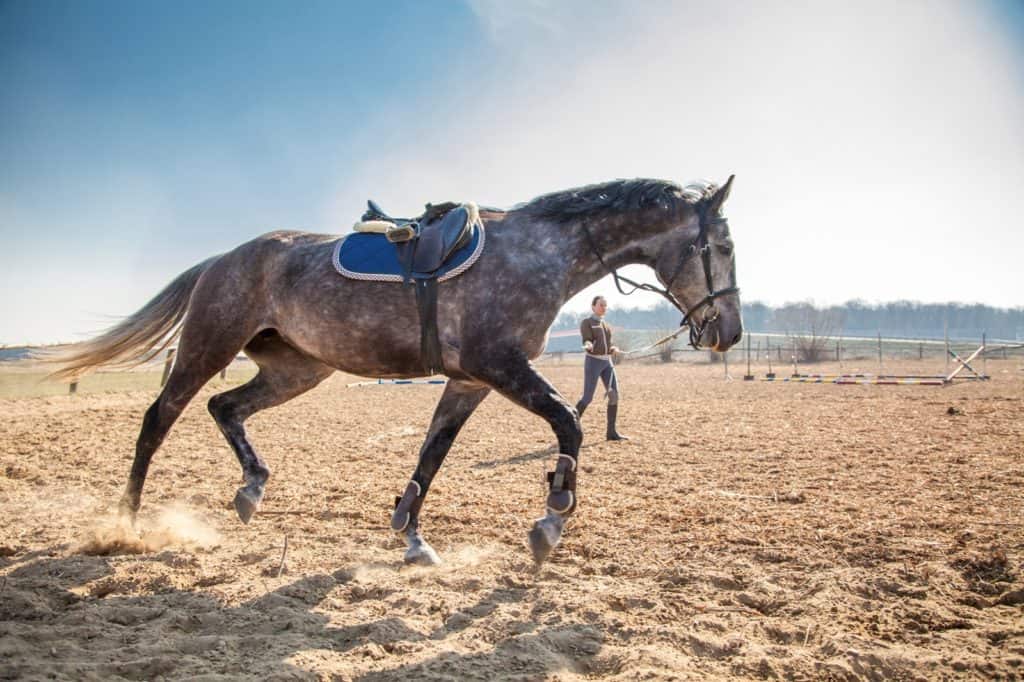
This common exercise modality can be surprisingly risky; learn how to keep your horse—and yourself—safe.

Evacuating horse owners aren’t the only ones that should prepare in advance. Here’s what farm owners opening their facilities to displaced horses should know.