Traumatic Horse Training: Can You Spot Abuse?
When do horse training methods cross the line from accepted to abusive? Despite advances in horse welfare and behavior research, abusive training still occurs.

When do horse training methods cross the line from accepted to abusive? Despite advances in horse welfare and behavior research, abusive training still occurs.
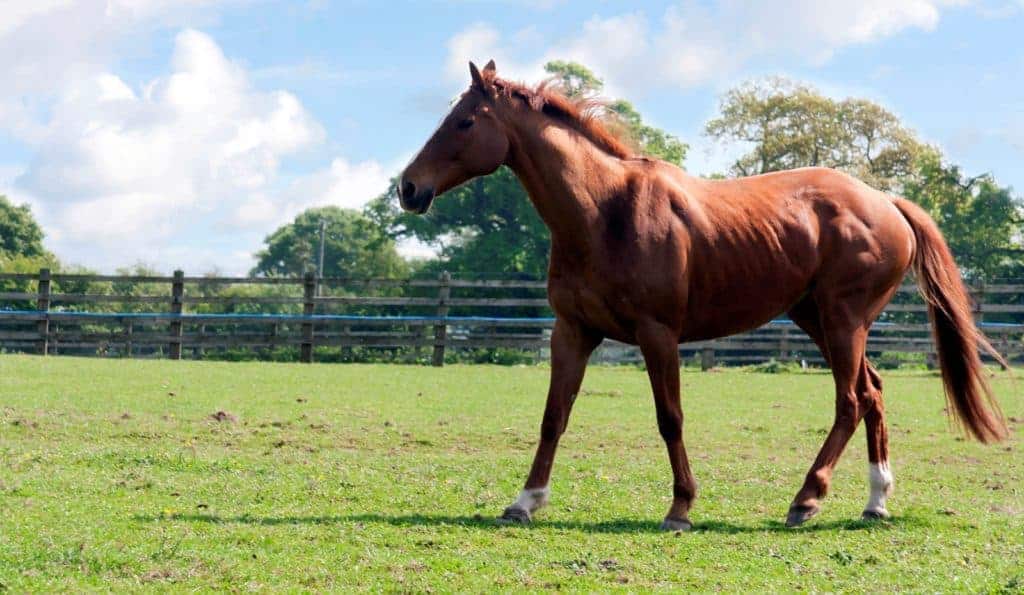
Equine osteoarthritis often develops subtly and is a common result of aging. Learn how a horse’s joints inevitably wear with age and how to keep him comfortable.

Discover the importance of giving special attention to senior horses’ joints during Senior Horse Joint Care Awareness Week, sponsored by NexHA.

Feed donkeys lower-quality forages, such as barley straw or stemmy, mature grass hay, than you would feed a horse.

An inside look at the 2018 EHV-1 outbreak that impacted hundreds of horses at a California show and how to control the disease.

An equine dermatology expert explains how you can manage and prevent insect bite hypersensitivity (IBH) in riding horses during prime competition (and IBH) season.

Use this list of annual preventive care exams to help you keep your veterinary documents organized and up to date.

What causes fevers in horses? When is a fever considered dangerous? Equine veterinarians weigh in.

Learn about fibrotic myopathy, MFM, botulism, PSSM, and HYPP and how they affect horses.

Avoiding nose-to-nose contact with other horses at shows is the best way to protect your horse from diseases. Here’s why.

Learn how young horses’ bodies adapt to exercise and how to prepare them for successful careers.
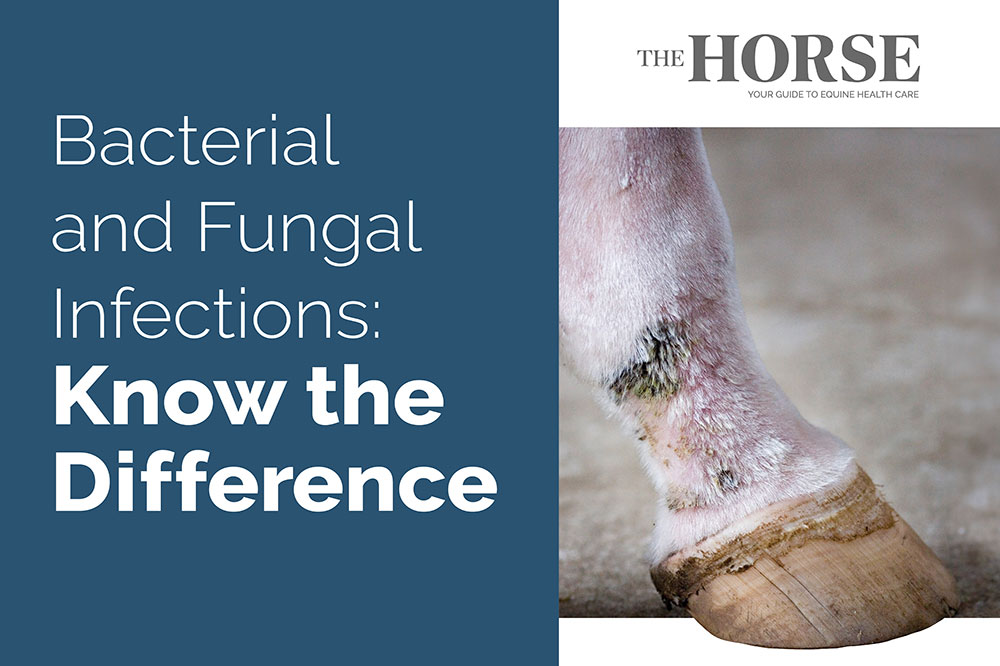
A horse with a crusty, infected skin lesion often needs diagnostic testing from a veterinarian to determine if bacteria or fungi are to blame.

Recent study results show this treatment for osteoarthritis might benefit horses in both the short and long term.

Find out why your horse might benefit from a “dunk bucket.”

Learn where biosecurity understanding is lacking among horse owners and what you can do to protect your horse from infectious diseases.

Water is one of the essential nutrients a horse’s body needs to carry out various vital functions. Here’s what to remember about supplying your horse with water.