Weight Loss for Retired Horses
An equine nutritionist describes how to promote weight loss in horses that cannot be ridden.

An equine nutritionist describes how to promote weight loss in horses that cannot be ridden.

Dr. Frank Andrews describes how you can reduce your horse’s risk of hindgut ulcers while helping him safely lose weight.

Dr. Mary Beth Gordon describes common treatment protocols for hindgut ulcers in horses and the role horse owners play in treatment.
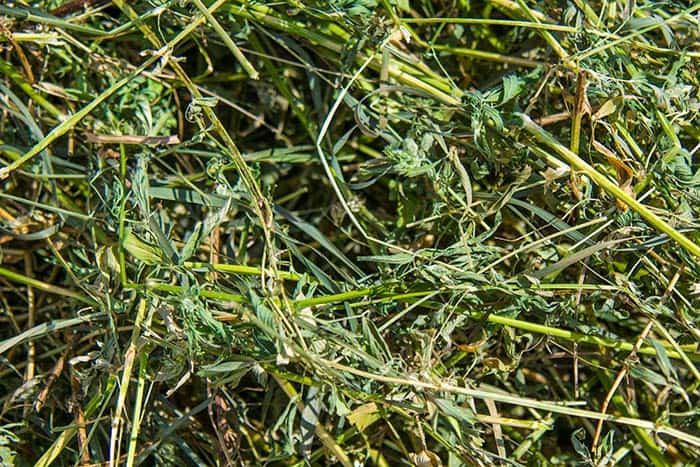
When fed correctly, alfalfa might help prevent gastric ulcer development. One expert explains the importance of timing and amount when feeding horses alfalfa.

Dr. Frank Andrews describes signs that might indicate hindgut problems in horses, from lethargy and colic to diarrhea and weight loss, in this Ask TheHorse excerpt.

Dr. Mary Beth Gordon outlines the essential role of the hindgut in horse digestion.
Delve into nutrition topics key to keeping your horse healthy and happy.

International units are used to quantify similar biologically active substances such as vitamins and hormones. One equine nutritionist explains.

Do certain concentrates increase gastric ulcer risk? A nutritionist answers this commonly asked question.
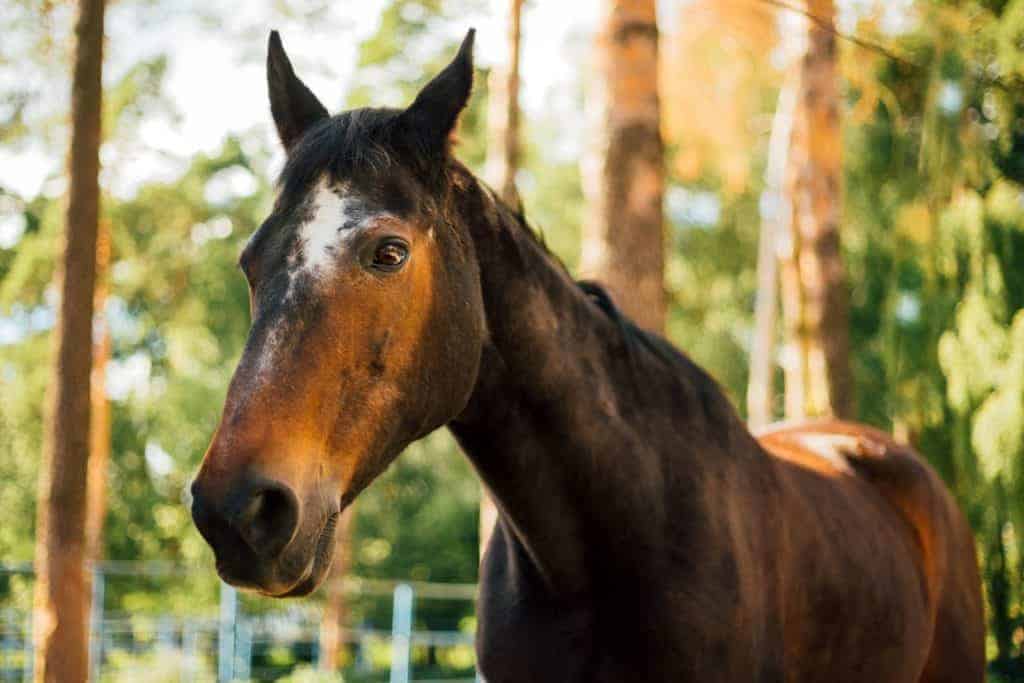
An owner seeks advice on managing a senior horse with PPID (formerly Equine Cushing’s) disease during a heat wave.
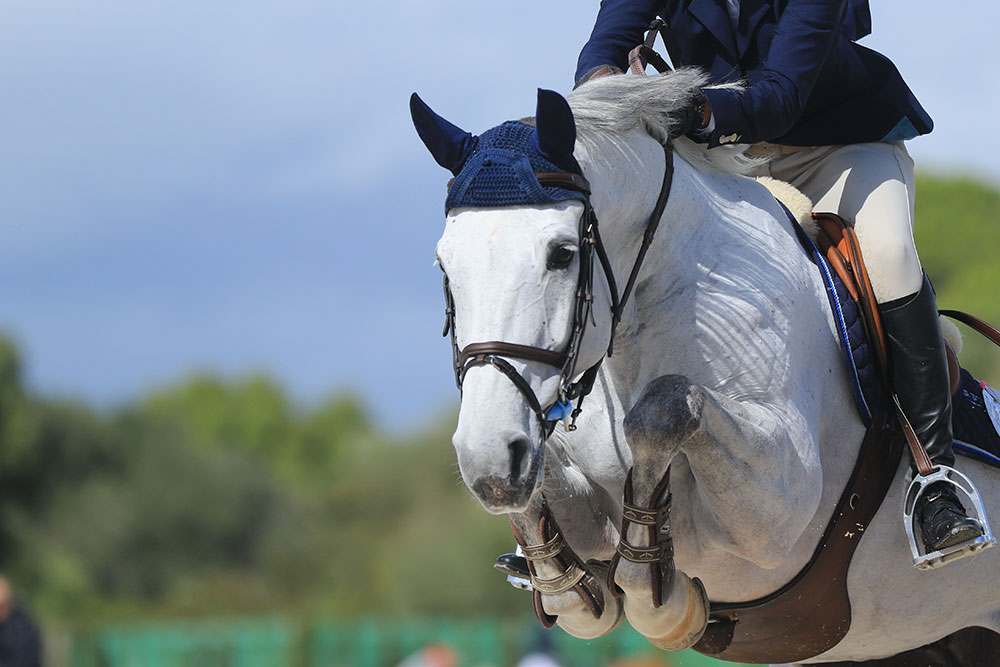
Addressing your high-energy horse’s behavior using diet might involve some trial and error. Learn what you should consider before adjusting his feeding program.

Why is the serving size of a vitamin and mineral supplement for horses so much smaller than a ration balancer serving?
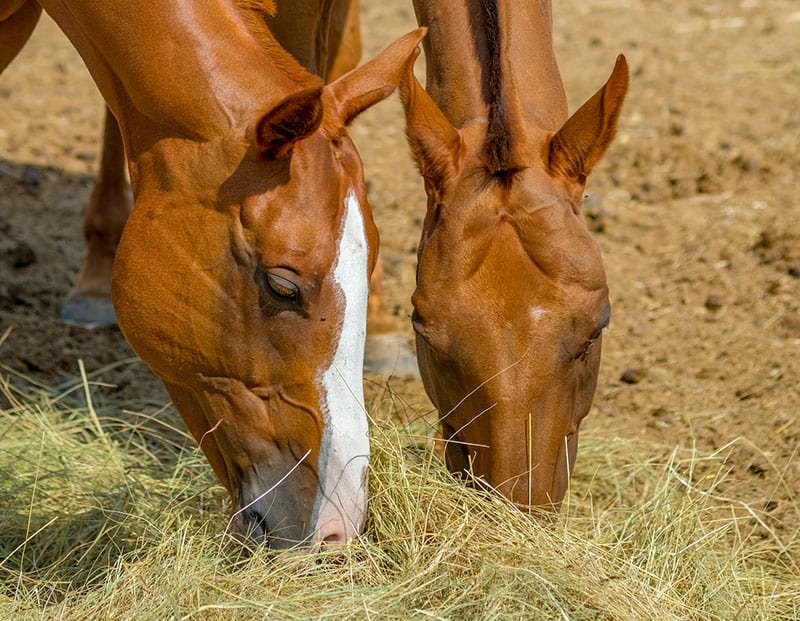
Getting back to basics and simplifying meals might be the key to keeping the horse’s hindgut healthy and functioning properly.

A nutritionist explains how meeting your sport horse’s dietary needs can help keep him healthy and performing his best.
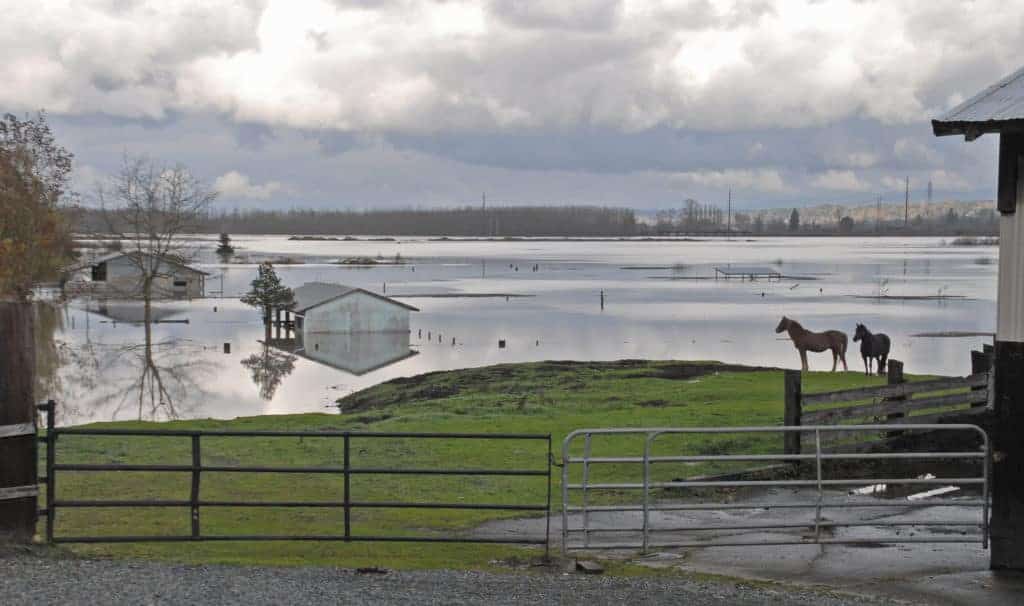
Remember these tips on leaving food and water for horses should you need to evacuate without them during a disaster.

When does a horse need selenium supplementation, and what’s the best way to provide it? An equine nutritionist weighs in.