Equine Physical Therapy Must Be Individualized
Biomechanics expert: The wrong rehab program for a horse can be counterproductive.

Biomechanics expert: The wrong rehab program for a horse can be counterproductive.

Read about the existing science behind acupuncture and what you should know before scheduling an appointment for your horse.

Get an update on the use of stem cells in horses and research leading us into the future.

Dr. Amanda Adams of the University of Kentucky, in Lexington, describes her senior horse research, which focuses on EMS, PPID, and immune system health.

Two fillies with facial fractures went on to high-performance careers after undergoing successful surgeries to repair their sinuses. Veterinarians based the technique on one used to repair human skull fractures.

Sesamoid injuries in horses can be difficult to repair and even catastrophic; here’s what can go wrong and how to prevent it from happening.

Preserving your horses’ joint health will optimize their athletic careers and keep them comfortable as they age. Sponsored by Hyaluronex Joint.

With a custom-made splint holding the bent knee in place and partially supporting the horse’s weight, equine surgeons can now perform needle arthroscopy in standing, sedated horses.

Horse owners can use a science-based app to document body language and facial expressions and determine whether equids are in acute pain.

University of Kentucky researchers are working to learn more about the changes happening at a cellular level that might indicate an injury is present before it becomes career- or life-ending.

Non-steroidal anti-inflammatory drugs serve an important role in managing equine pain and inflammation, but sometimes they can do more harm than good.
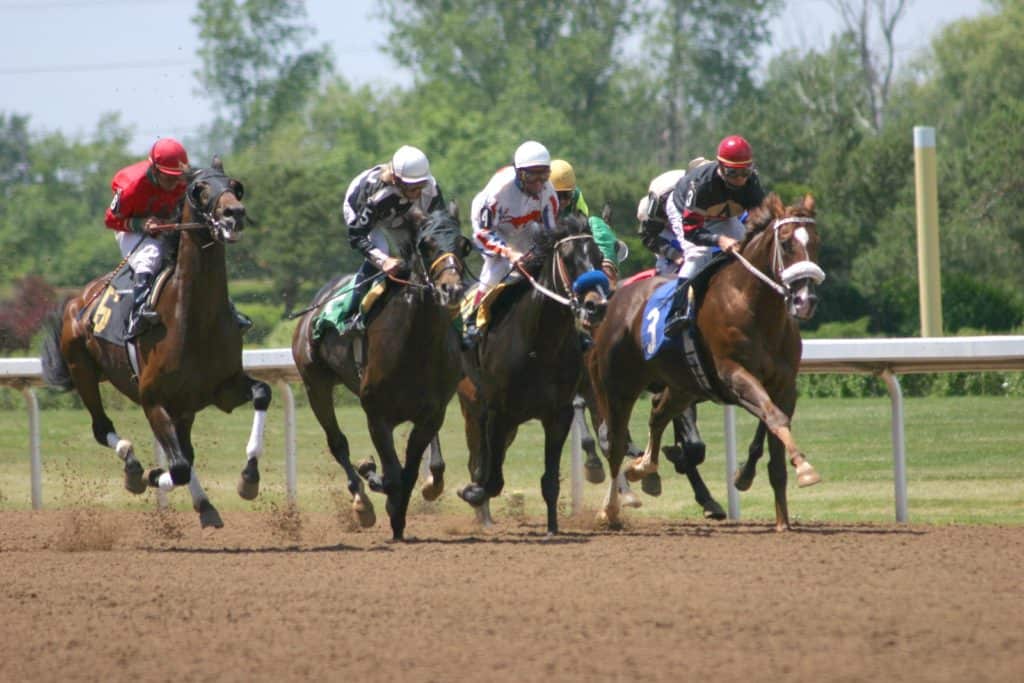
Researchers at the University of California, Davis, School of Veterinary Medicine have linked bone loss to proximal sesamoid bone fractures in California racehorses.

Is your horse approaching his retirement years? Learn how to keep your horse happy and healthy after his athletic career.

Veterinarians need to assess horses, diagnose the cause of pain, and start medical management early for the best prognosis.

Learn about this therapy designed to provide support and stability to muscles and joints without restricting their range of motion.

The body delivers blood to help tendons heal. Power Doppler can identify when blood is present in horses’ injuries that veterinarians might otherwise believe to have recovered.