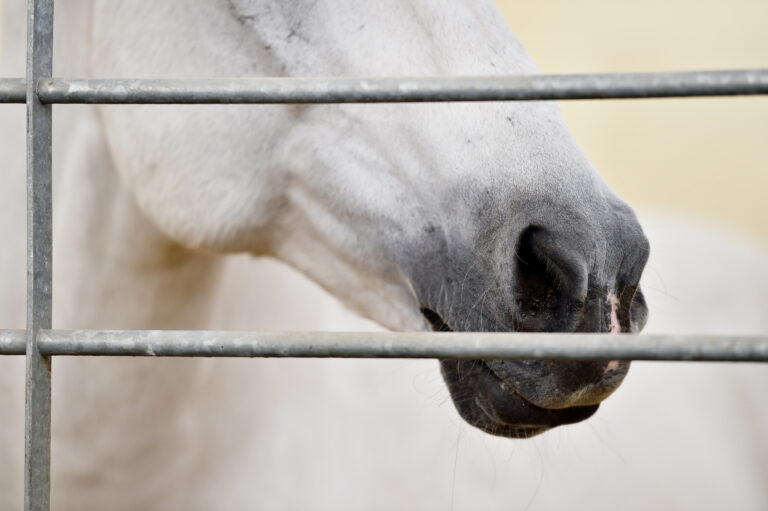
Do Bisphosphonates Damage Horses’ Joint Cartilage?
Researchers studied the effects of clodronate disodium on normal and inflamed equine cartilage in laboratory samples.

Researchers studied the effects of clodronate disodium on normal and inflamed equine cartilage in laboratory samples.

Michele Haman of Equilibrium Therapy LLC shares how a massage therapist can work with saddle fitters, trainers, and hoof care professionals to benefit the horse and its performance.

Should a horse get turnout after a massage? A warm bath and liniment rub? Rest or exercise? Dr. Gina Tranquillo-Shade and Michele Haman of Equi-Librium Therapy LLC talk about what care a horse should receive immediately after a massage.

What prevention steps can I take for my horse’s rear leg swelling after exercise?

Researchers at Oregon State University looked at 14 case studies involving lameness related to muscle tears. Here’s what they found.

Researchers found significantly lower levels of inflammation in synovial fluid and the joint lining in joints treated with bone-marrow-derived mononuclear cells.
Researchers used PRP-L to treat joint infections caused by the common bacterium Staphylococcus aureus, with encouraging results.

A new European study has shown that Lusitanos had few OA lesions on radiographs, and when they did, the lesions were relatively minor.

Researchers tested pooled platelet-rich plasma lysate as a unique anti-inflammatory approach to joint preservation on lab samples.
Researchers explored the ability of bone marrow mononuclear cell (BMNC) therapy to improve lameness, with good results.

Measuring mRNA markers might offer an economical, effective, and noninvasive way to detect horses at risk of catastrophic injury.
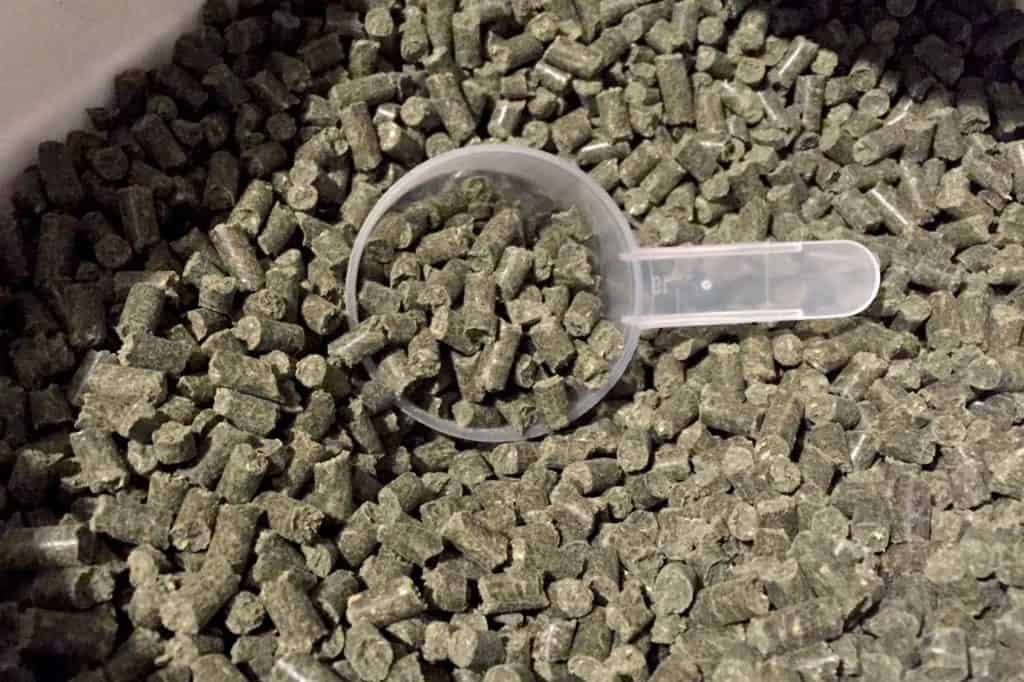
Researchers investigated if two common joint supplement ingredients contribute to worsening gastric ulcer scores in horses.

A review of research into laminitic pain in horses found veterinarians rely on a multimodal approach for pain management.
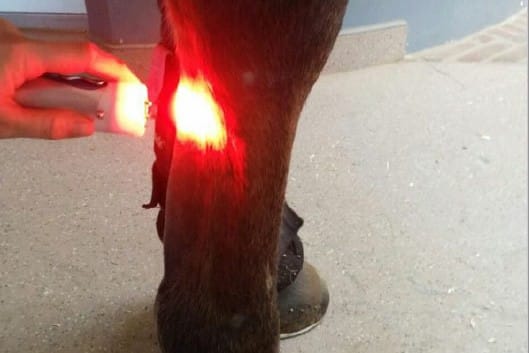
In a standardized-lesion-induced model, veterinarians found high-powered laser significantly reduced enlargement of lesions on ultrasound and increased signs of healing on Doppler and MRI.

An expert lists four broad PT categories and describes the many techniques within each that can help horses recover from injury and improve their performance.

A Norwegian and Swedish study shows that autologous conditioned serum with higher levels of certain biological anti-inflammatories and growth factors is more likely to reduce lameness in treated horses.