10 Performance Horse Lameness Resources on TheHorse.com
Any athlete can end up with aches and pains from the rigors of training and performance, and horses are no exception. Sponsored by Arthramid Vet.

Any athlete can end up with aches and pains from the rigors of training and performance, and horses are no exception. Sponsored by Arthramid Vet.

Many horses can cause trauma on themselves. Usually, they’re wounds or cuts on the legs—but sometimes, they’re on the horse’s head.

Osteoarthritis is one of the most common equine joint disorders, affecting an estimated one in five horses. Learn about specific strategies for supporting joint health in this free fact sheet. Sponsored by Hyaluronex Joint.

By understanding how pain works and addressing its various pathways, we can improve healing and better ensure equine welfare.

A veterinarian and equine behavior expert describes signs your horse’s behavior might be related to pain.

Older horses are more likely to suffer from chronic, pain-causing conditions but less likely to receive veterinary care than nongeriatric horses.

Learn what veterinarians are doing to improve how they control equine pain.
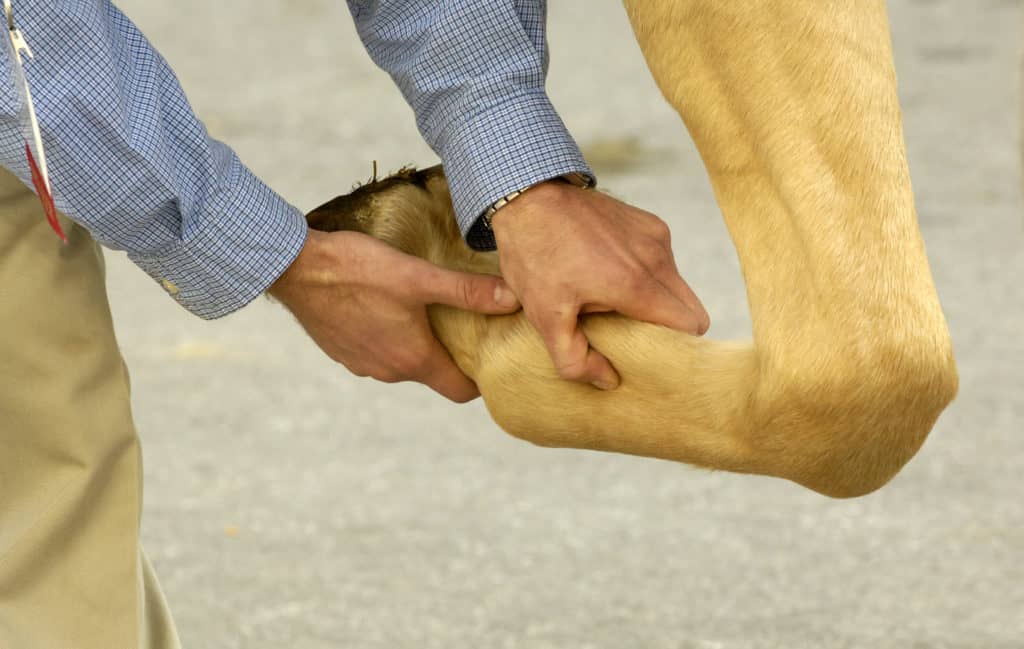
The editors of The Horse: Your Guide To Equine Health Care have scoured our archives and gathered our top lower limb lameness content. Sponsored by Hallmarq Veterinary Imaging.

Poll pain can cause performance, behavior, and welfare issues for horses. Learn how vets diagnose and treat it.

Pain related to acute issues such as colic or hoof abscesses is usually obvious. But sometimes the signs of chronic pain are more subtle. Can you tell if your horse is hurting?

Learn about current ways to manage the most common cause of lameness in equine athletes. Sponsored by NoltrexVet.

Dr. Marty Adams shares his thoughts on the best joint supplement ingredients for performance horses.

Read about three real-life examples of equine athletes that made full recoveries from their injuries, including their diagnostic challenges, rehab modalities, and recovery details.

Find out how to keep you, your prone-to-worry horse, and those around him safe.

We asked two experts how they approach laminitis and try to keep affected horses comfortable.

A study found omeprazole protected horses against phenylbutazone-induced equine glandular gastric disease but might exacerbate phenylbutazone-induced intestinal disease.