Abnormal Mineralization and Pathologies of the Equine Fetlock
New imaging techniques might make examining abnormalities of the fetlock easier for equine veterinarians.

New imaging techniques might make examining abnormalities of the fetlock easier for equine veterinarians.
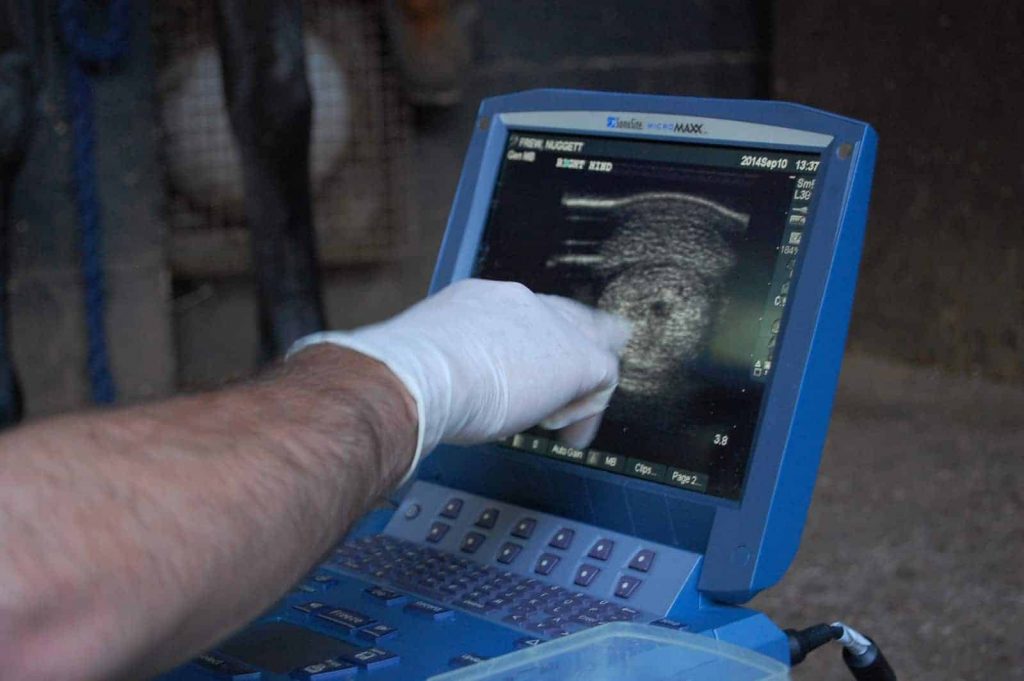
Four diagnostic imaging experts share insight that can help owners and veterinarians with the diagnostic process.

Advancements in equine imaging have made it possible for veterinarians to better understand the anatomy and pathologies of their patients.
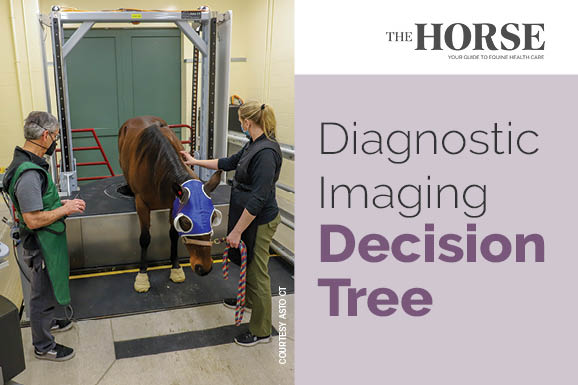
Diagnosing lameness in horses can be challenging, but veterinarians have an arsenal of imaging modalities available to help them make an accurate diagnosis.

Neck pain and pathologies are common in sport horses. It is important to combine results from clinical findings with imaging when making a diagnosis.

Neck pain in horses can be difficult to diagnose; clinical signs might not match what’s seen on imaging. Learn how vets interpret findings and develop a treatment plan.

Determining a horse’s cause of neck pain can help ensure he receives the correct treatment.

Diagnostic imaging technology has improved tremendously in the past few decades, with several effective options to choose from. Learn about the machines and technologies your veterinarian can use to look inside your horse, including MRI, CT, PET scans, and more.

Computed tomography (CT) and magnetic resonance imaging (MRI) are two diagnostic imaging methods veterinarians can use to capture images of structures within your horse’s body. Learn more in this visual guide!

Computed tomography creates cross-sectional, 3D images to help veterinarians diagnose a variety of equine injuries and lamenesses.

One veterinarian weighs the pros and cons of available imaging modalities when it comes to diagnosing common fetlock injuries.

One practitioner describes her diagnostic imaging decision-making process when assessing Western performance horse soundness during prepurchase exams.
The equine imaging lecture will take place Nov. 7 at the New Bolton Center, in Kennett Square, Pennsylvania.

Quantitative information provides better data for determining treatment and prognosis, researchers said.
Lecture topics will include anesthesia, eye emergencies, sports medicine, biosecurity, foaling problems, and more.

Learn about the signs, diagnosis, and management of repetitive stress-related fetlock injuries in racehorses.