
Investigating Equine Cases of Toxicant Exposure
Horses have a wide range of potential for exposure to toxicants; understanding this could help protect them.

Horses have a wide range of potential for exposure to toxicants; understanding this could help protect them.

X rays are valuable diagnostic tools for equine dental health that can reveal undiagnosed issues.

Here’s a look at some common pelvis problems in horses, how veterinarians diagnose them, and what treatment options are available.
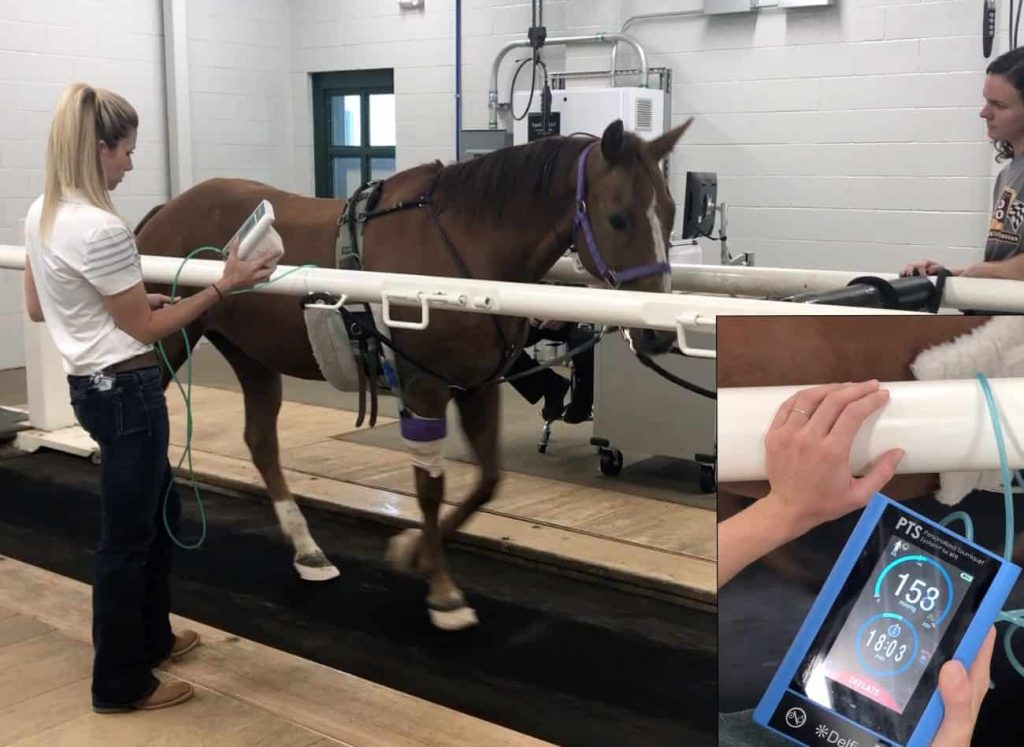
Blood flow restriction (BFR), a human rehab modality, was found to be safe and well-tolerated by horses in a pilot study.
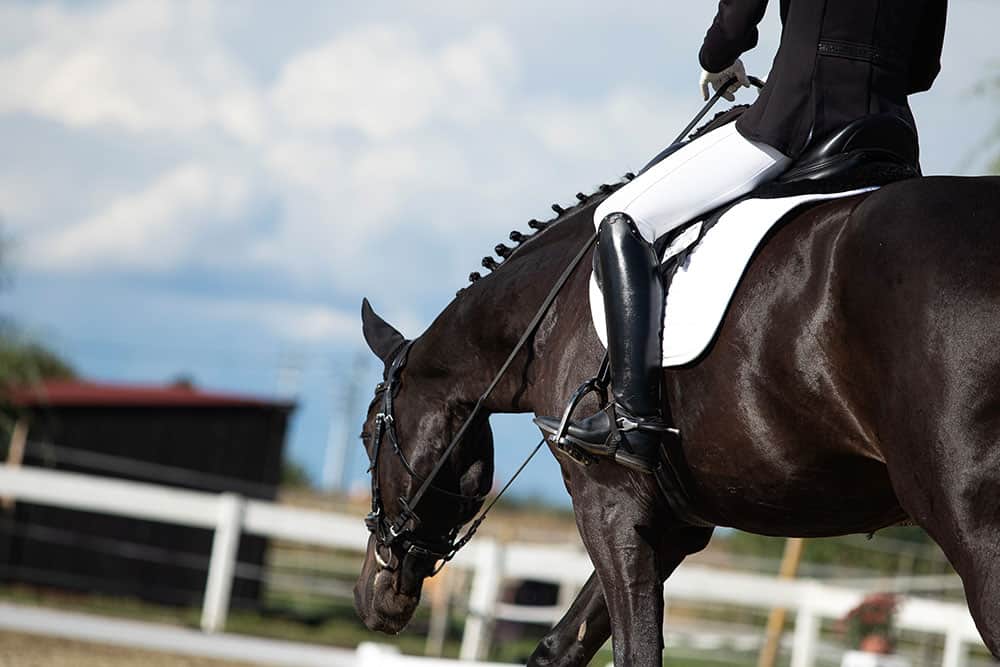
While ultrasound is useful for identifying articular process joint effusion in horses, it might undervalue the amount of swelling present.

Comparing ligament striations in opposite limbs via ultrasound to determine if changes are normal versus tears could lead to misdiagnosis.
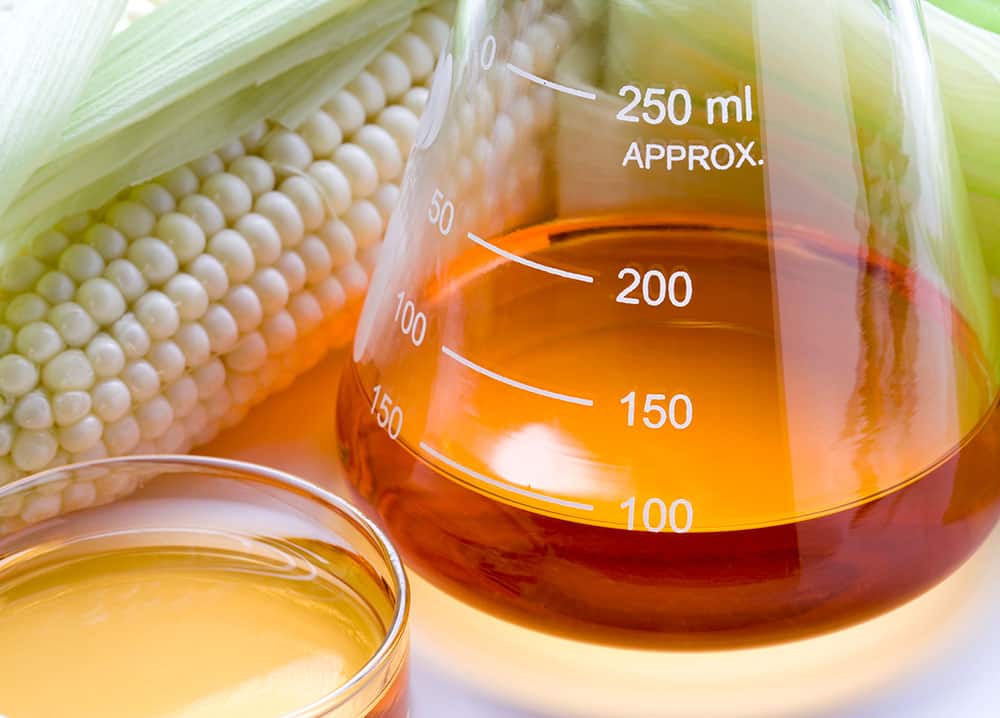
The horse’s fed vs. fasted state, dose and type of corn syrup, season, and simultaneous endocrine testing might alter the results of this insulin dysregulation testing method.

Veterinarians discuss how they radiograph, ultrasound, and treat neck problems.

Dr. Gustavo Zanotto of Texas A&M University describes autologous blood products, how they work, the existing research supporting them, and their applications in horses in this Dechra-sponsored online presentation.

Researchers found the muzzle and outer nostril region present an alternative and less invasive way to test horses for EHV-1.

Dr. Uneeda Bryant describes how veterinary pathologists safeguard horse populations, determine causes of death, and protect the human-animal bond.

Prepurchase exams are an important part of equine practice. A veterinarian recommends how to achieve the best outcomes.

Vets can monitor trends in SAA levels post-orthopedic surgery to quickly identify and address surgical implant infections.

MRI imaging of the stifle joint has shown evidence of injuries to a variety of soft and hard tissues.

Practitioner technique and skill determine the value of ultrasound images of the suspensory ligament.
This step-by-step graphic will guide you through your horse’s blood test results.






