Fact Sheet: Allergies in Horses
Veterinary intervention can make itchy horses more comfortable and keep allergies under control. Sponsored by Kinetic Vet.

Veterinary intervention can make itchy horses more comfortable and keep allergies under control. Sponsored by Kinetic Vet.

Neck pain and pathologies are common in sport horses. It is important to combine results from clinical findings with imaging when making a diagnosis.

Neck pain in horses can be difficult to diagnose; clinical signs might not match what’s seen on imaging. Learn how vets interpret findings and develop a treatment plan.

Dr. Martin Nielsen offers solutions for 7 common problems veterinarians and their technicians encounter when performing FECs.

Researchers recommended bone chip removal to preserve joint health and athletic function.

Researchers have determined that testing bronchoalveolar lavage fluid might be the most accurate way to diagnose horses with equine asthma.

Once-weekly Protazil administration achieved steady-state plasma concentrations known to inhibit S. neurona, which causes EPM in horses.
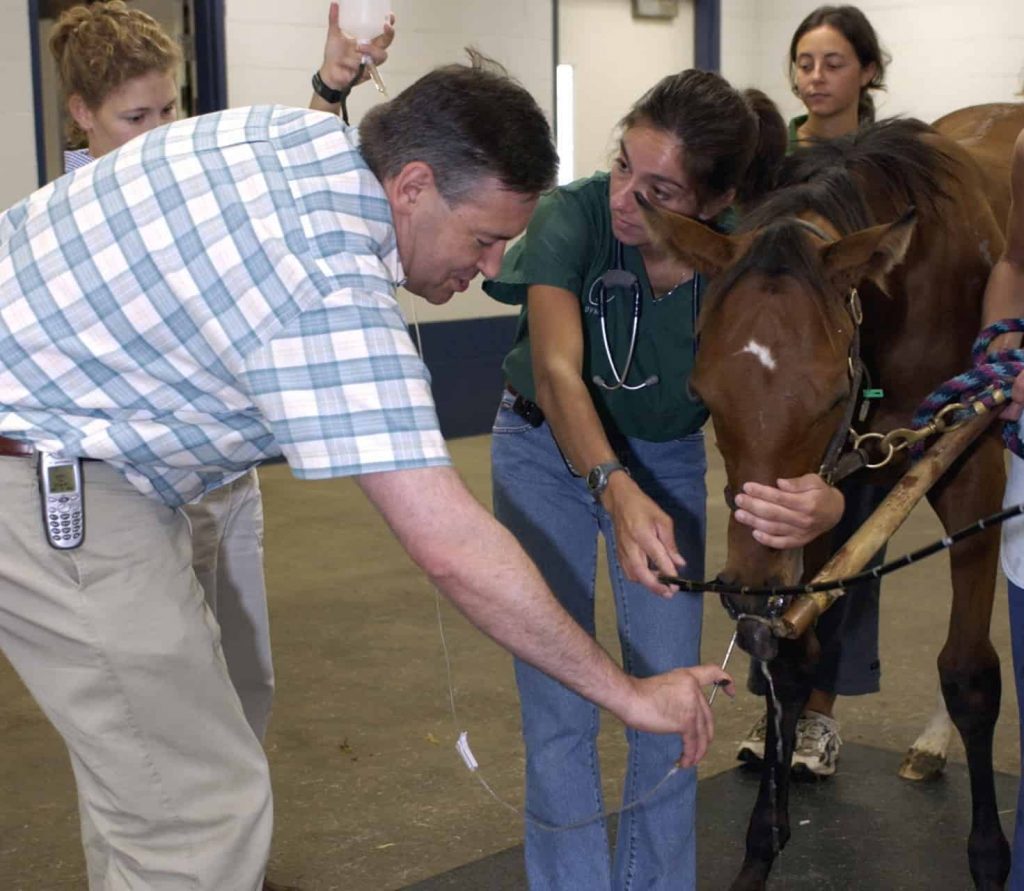
Many respiratory conditions affecting horses cause similar signs, so it is vital for owners and veterinarians to pursue a diagnosis and create a treatment plan.
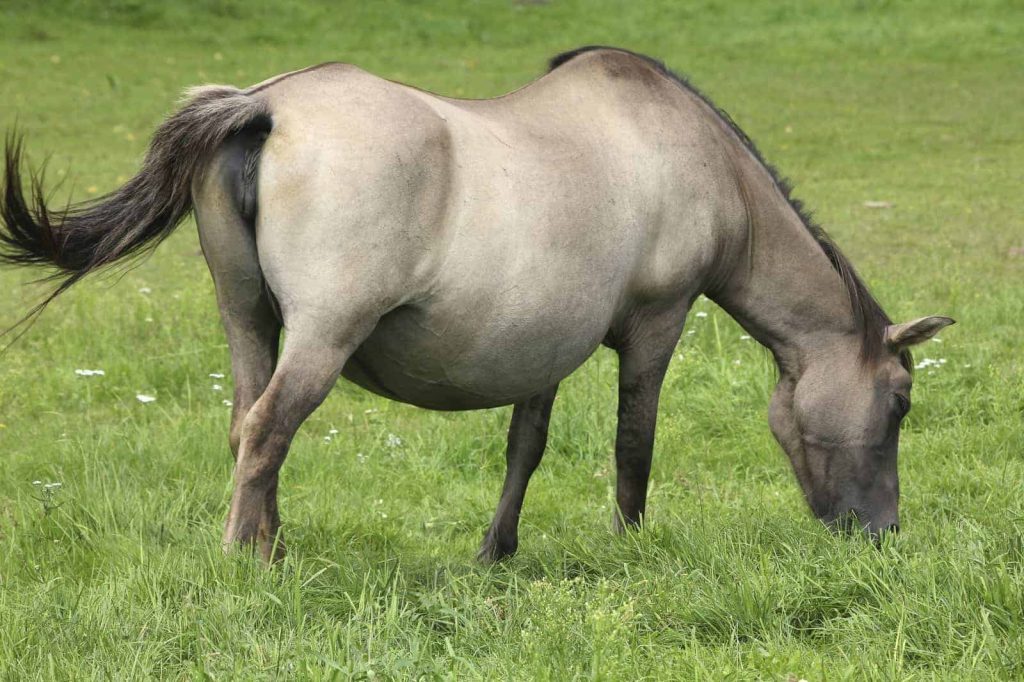
With proper care, mares with high-risk pregnancies can deliver healthy foals safely.

Determining a horse’s cause of neck pain can help ensure he receives the correct treatment.

Allergy tests can help veterinarians identify possible allergens for inclusion in a horse’s immunotherapy program.

Establishing a standard glucose testing method worldwide could generate more accurate results, leading to better care and welfare of horses with PPID, or equine Cushing’s disease.
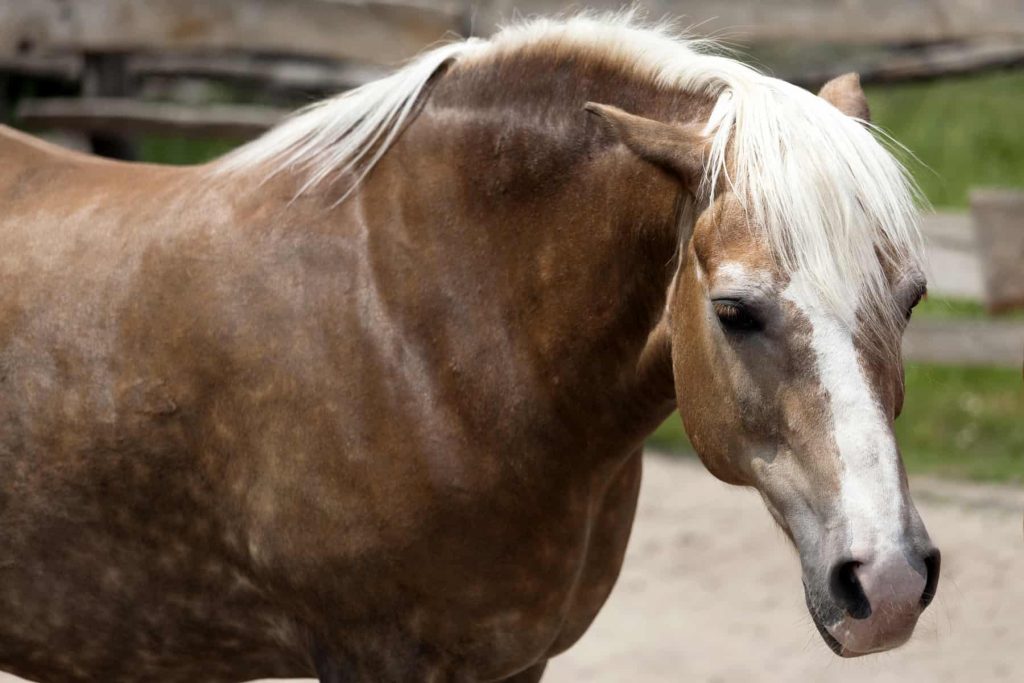
Insulin dysregulation can coincide with high ACTH concentrations in the fall, even when an animal does not have PPID.

The best diagnostic imaging tool for the cervical spine is MRI, rather than widely used radiographs.
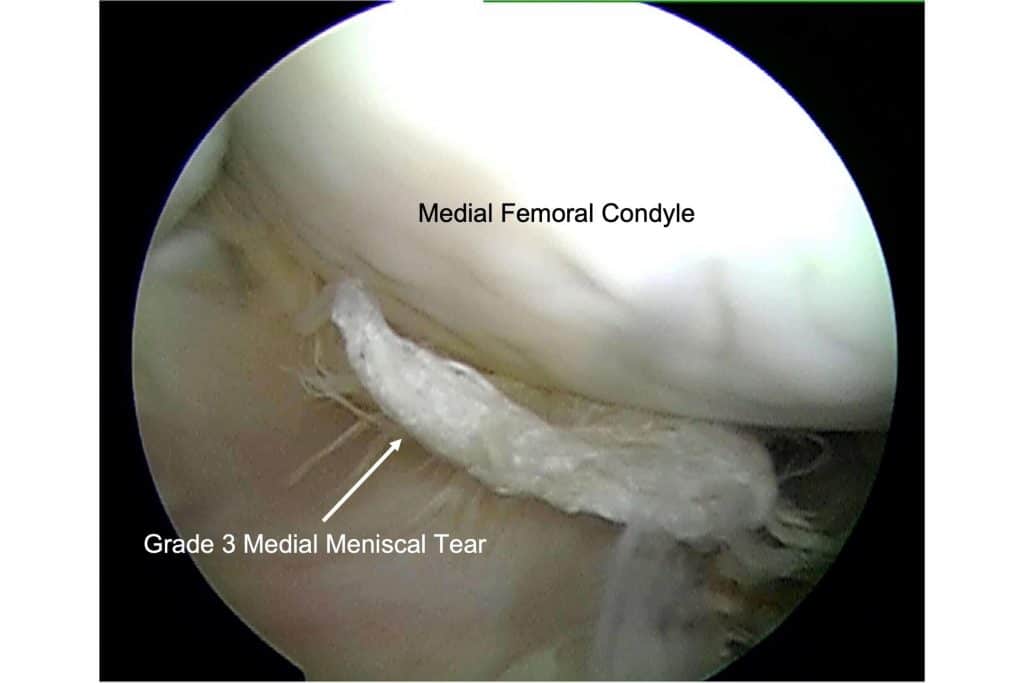
Equine meniscal injuries can cause severe pain and lameness, but if diagnosed and treated properly many horses can return to work.

A research team used ultrasound to establish normal proximal suspensory ligament cross-sectional areas of cutting horses.