Grayson-Jockey Club Research Foundation Approves Funding for new EHV-1 and EHM Vaccine Research
The goal of this project is to develop a vaccine that will cross-protect horses against multiple types of equine herpesvirus.

The goal of this project is to develop a vaccine that will cross-protect horses against multiple types of equine herpesvirus.

Performing a serum:cerebrospinal fluid titer ratio to confirm/rule out EPM in horses (versus treating without that test) substantially decreased cost for the owner.

With proper care, mares with high-risk pregnancies can deliver healthy foals safely.

When used properly, this injectable can be an effective substitute for traditional joint therapies for managing horses with osteoarthritis.

Researchers discussed the complications 212 veterinarians experienced after performing sacroiliac joint region injections.

Orthobiologics are emerging tools in veterinary medicine that use the body’s natural defense mechanisms to treat a variety of musculoskeletal problems.

This poorly understood disease, also known as placental infarction, results in abortion in many cases.

Research shows platelet-rich plasma and stem cell therapy can help treat post-breeding inflammation in mares.

Learn about equine veterinarian wellness, boundary-setting, and shifting vet-client relationship paradigms in this compilation of articles brought to you by Sentinel Horse Feeds.
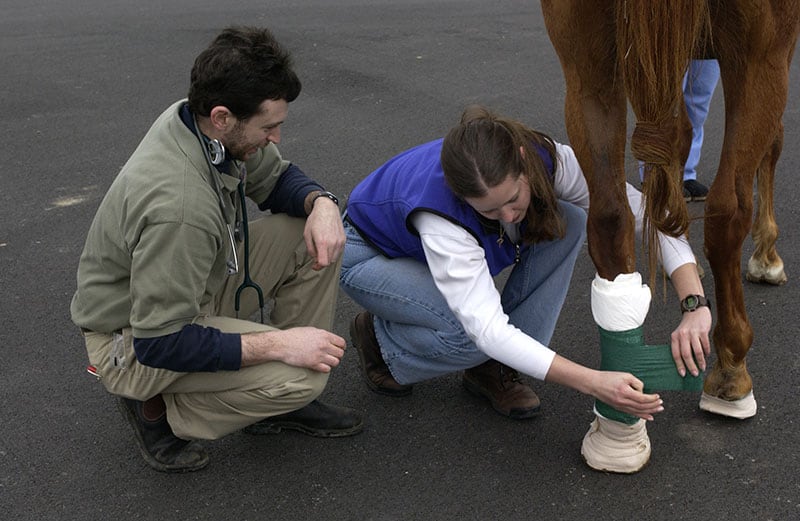
One veterinarian says team-based culture promotes practice efficiency and creativity and, ultimately, profitability.
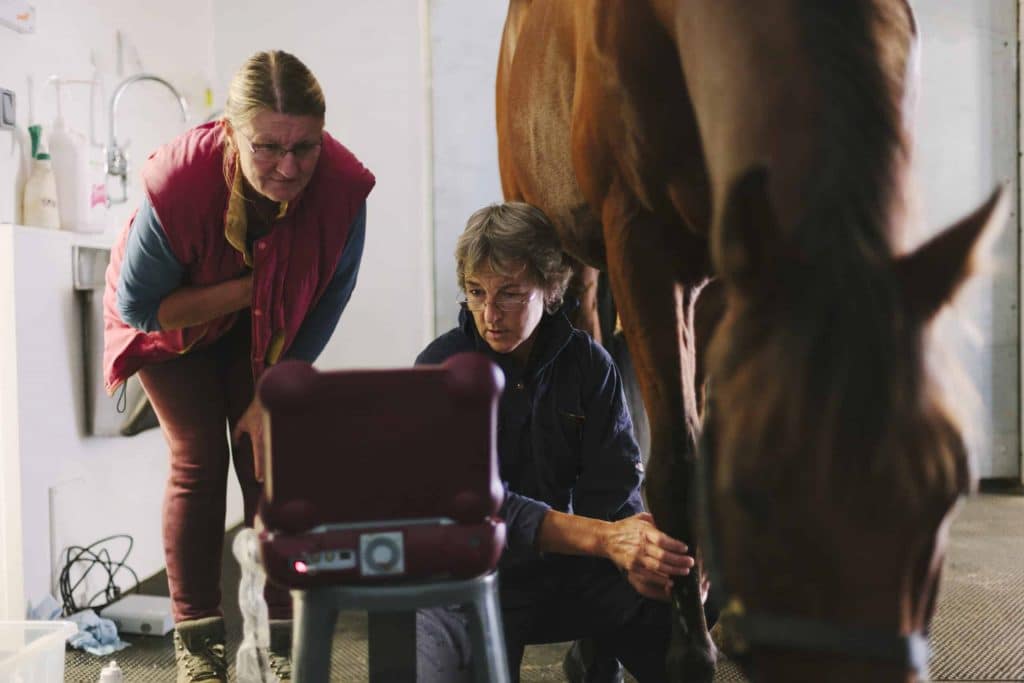
One veterinarian offers advice for building client relationships and dealing with difficult situations in equine practice.
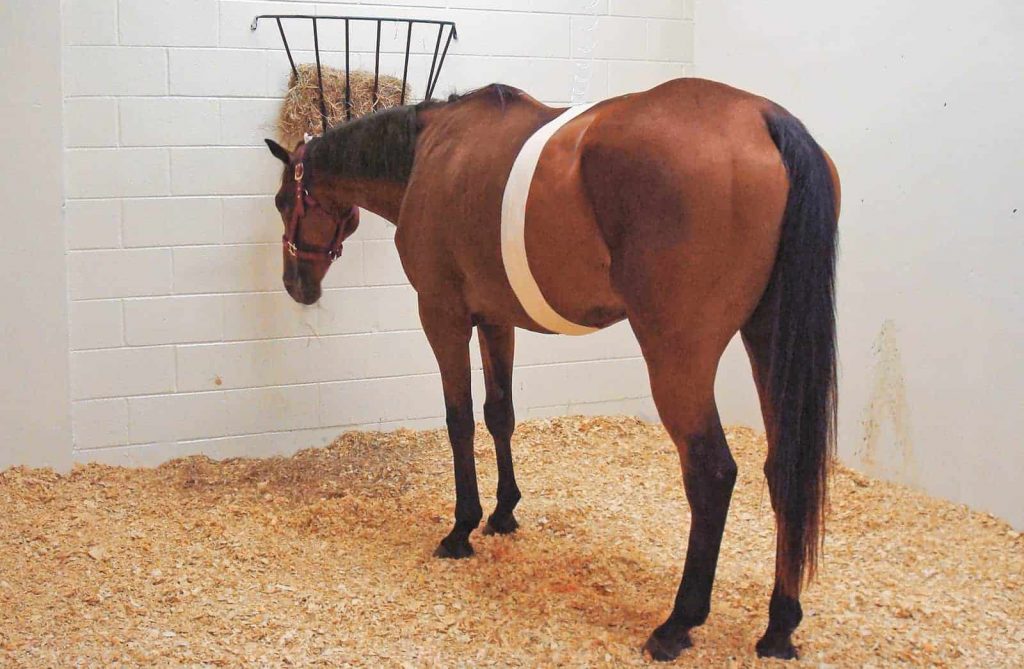
Find out how veterinarians prevent and treat this painful condition.

Dr. Tovah Caldwell conducted a study through the University of Guelph to determine how equine veterinarians are using mindfulness to support their careers.

Determining a horse’s cause of neck pain can help ensure he receives the correct treatment.

One veterinarian calls for cultures, cytology, and antibiotics when indicated.
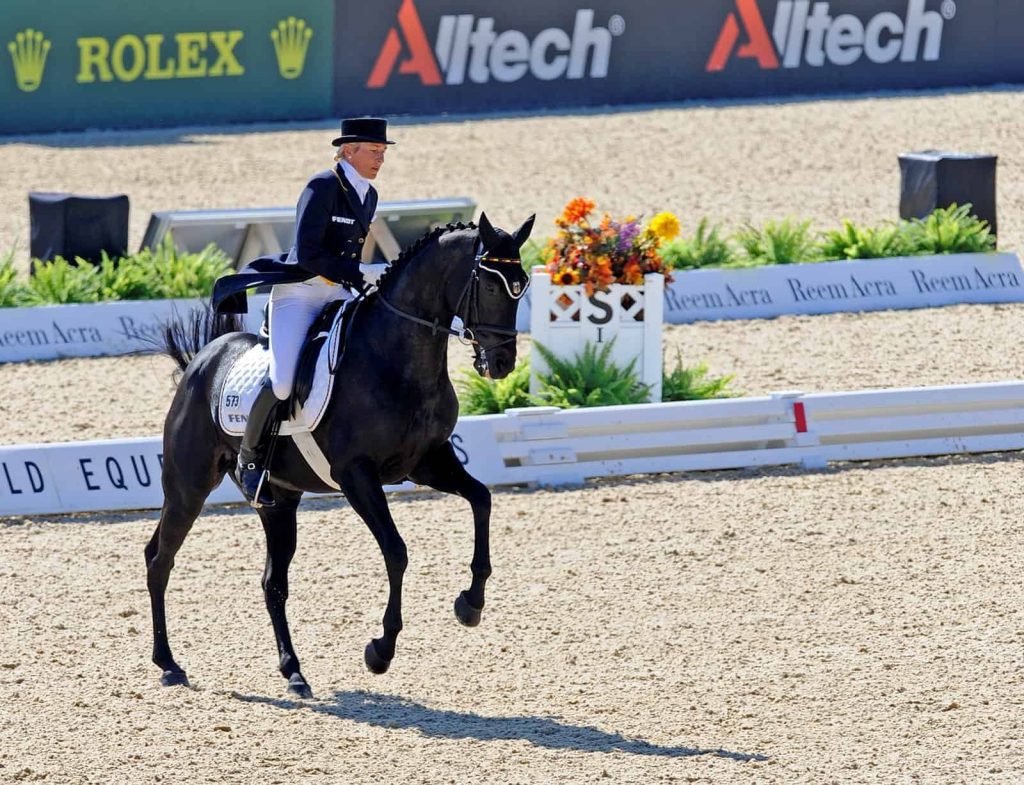
It is important for veterinarians and horse owners to understand the medication rules at high-level competitions when managing pain in equine athletes.