Equine Innovators: Rotavirus on the Move in Foals
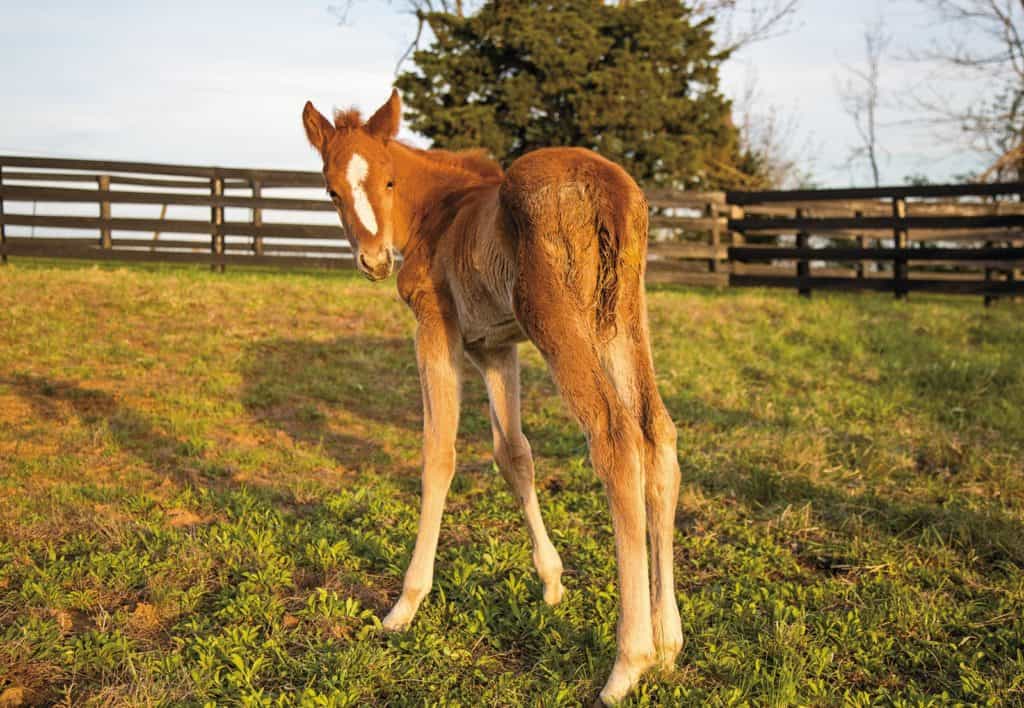
In this episode Dr. Emma Adam of the University of Kentucky describes the research that identified a novel strain of rotavirus in foal diarrhea cases this year.

In this episode Dr. Emma Adam of the University of Kentucky describes the research that identified a novel strain of rotavirus in foal diarrhea cases this year.

An Italian researcher outlines the stresses high-performance horses face during transport and what horse owners and managers can do to help.

Here’s how to tell whether a broodmare is going into labor or experiencing colic-associated pain.

To understand how horses fared during standing flank laparotomy for colic, researchers reviewed records from 37 equids. Here’s what they found.

The large volumes of water pumped into the stomachs of horses with impaction colic can sometimes do more harm than good, according to Italian researchers.

You expect dusty hay to set off inflammation in asthmatic horses’ lungs. But did you know dusty hay and indoor housing can also affect their gut microbiota?
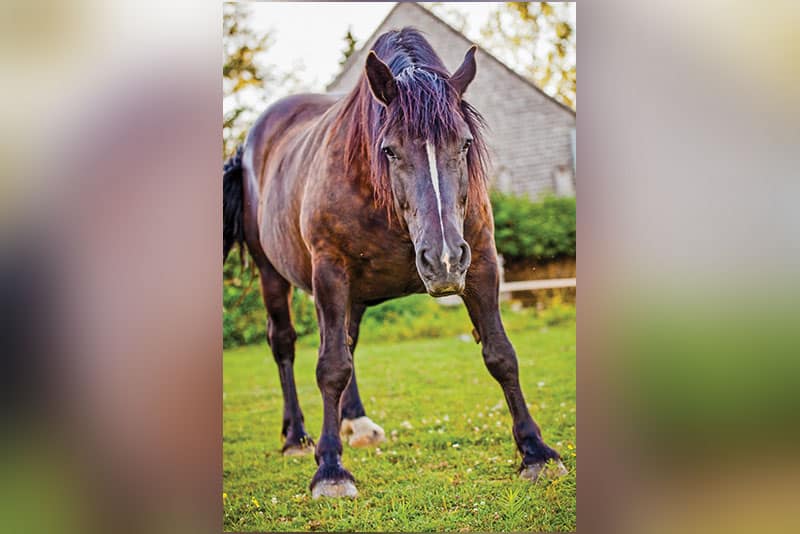
Abby Keegan, MS, PAS, an equine nutritionist for Cargill North America, will present considerations for designing appropriate diets for horses with equine metabolic syndrome (EMS) and how newly FDA-approved chromium might be beneficial. She’ll also share real-world example diets.

Traditionally, some riders withheld feed from their horses prior to training or competition. We now know better. Nutritionist Dr. Clair Thunes explains.

Researchers found that about 40% of NSAID-treated horses in their study developed thickened intestinal walls, starting as early as the third day of treatment.
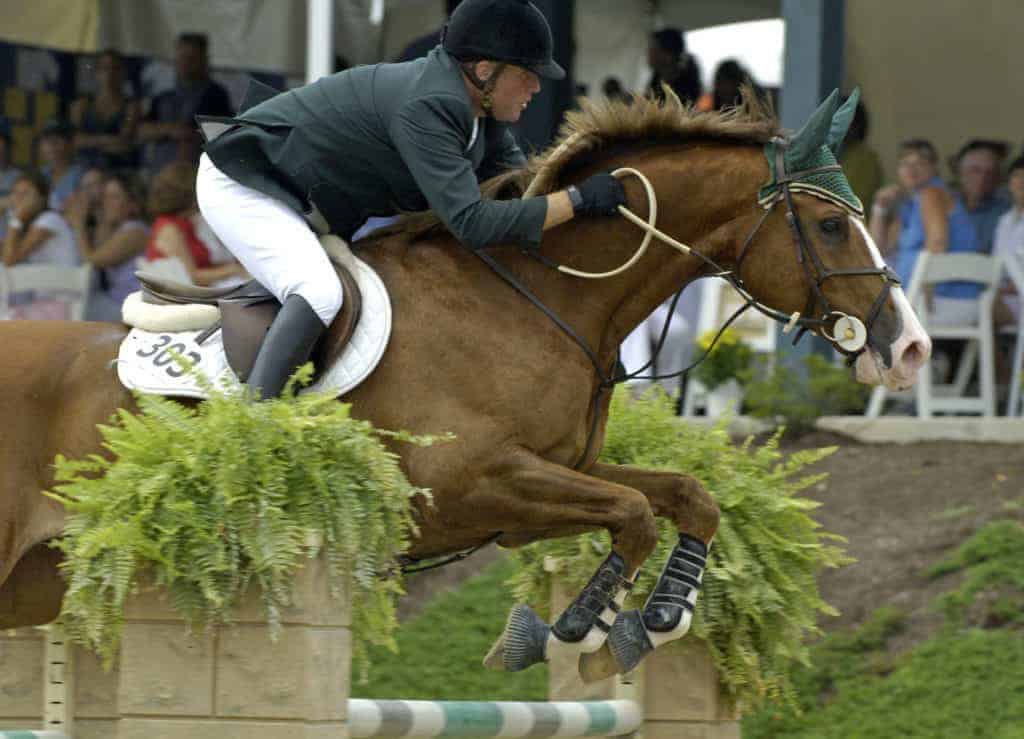
Dr. Frank Andrews shares insight into how likely a horse is to have gastric ulcers. His answer might surprise you.

Is your horse cinchy or unthrifty? Learn about EGUS, which affects an estimated 50-90% of horses.

Nutritionist Dr. Clair Thunes talks about the best ways to keep horses fueled and hydrated during competition.

Italian researchers found higher-placed haynets significantly shorten horses’ back muscles and change their jaw angles as they eat.

Behavior and performance changes that could be associated with gastric ulcers in horses should prompt further veterinary investigation.
Here’s what to expect if your horse needs to undergo gastroscopy, the only surefire way to check for equine gastric ulcers.

A study found omeprazole protected horses against phenylbutazone-induced equine glandular gastric disease but might exacerbate phenylbutazone-induced intestinal disease.