EEE in Georgia Horses: First Case of 2019 Confirmed
The unvaccinated 3-year-old Miniature Horse from Lowndes County is recovering with supportive care.

The unvaccinated 3-year-old Miniature Horse from Lowndes County is recovering with supportive care.
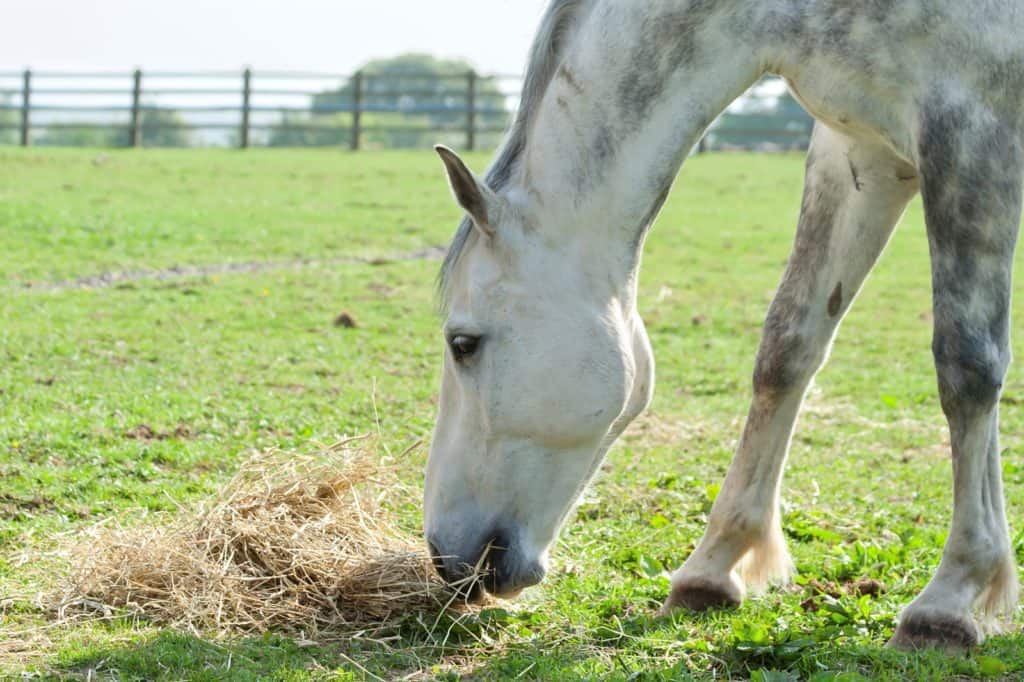
Your old horse’s rations might not need to change just because he’s got a few more gray hairs around his eyes. Still, owners should consider some key points when feeding their seniors.

Some products found on farms are flammable, toxic, or hazardous to human and animal health. Learn more about how to use, store, and discard them properly.

Riding before your horse gets fed could put him at risk for gastric ulcers. Find out why.
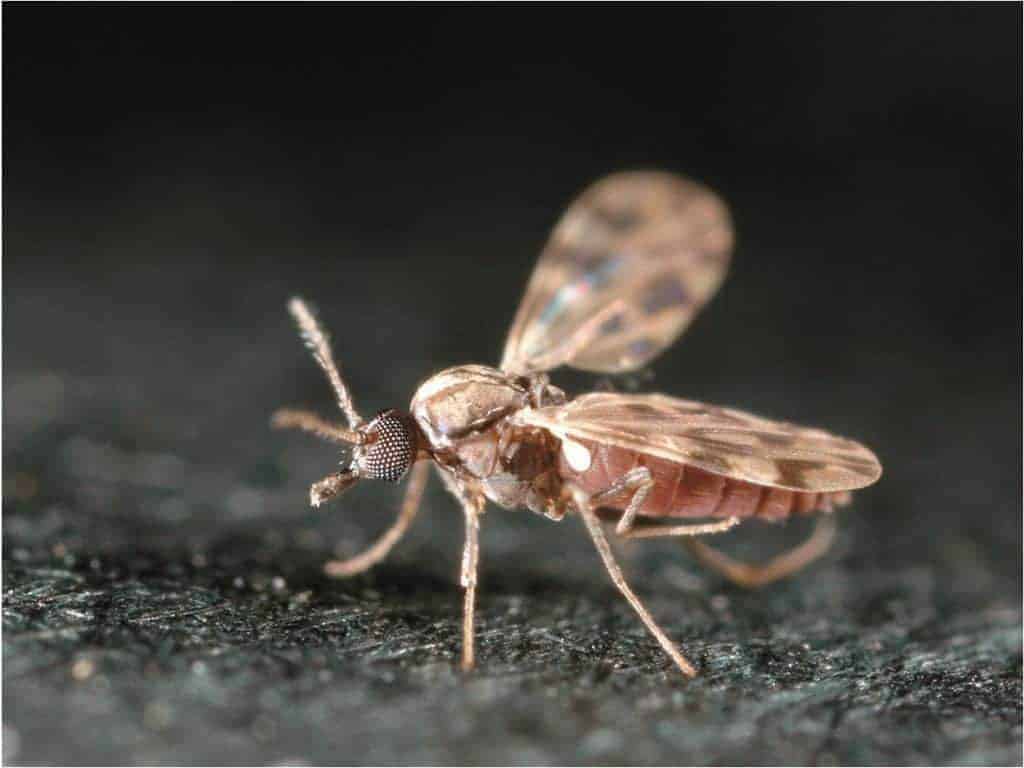
Researchers found that, overall, the British owners surveyed had poor awareness of bugs (such as mosquitoes and midges) and insect-transmitted diseases that could affect their horses.
Researchers found that firocoxib and flunixin meglumine provided similar levels of pain control after colic surgery, but firocoxib resulted in reduced evidence of endotoxemia at 48 hours post-surgery.

Feed your roly-poly pony the way Nature intended to prevent obesity-related diseases such as laminitis and equine metabolic syndrome.

Measuring the biomarker creatine kinase in abdominal fluid can help distinguish horses with ischemic (lacking blood flow) intestine due to a strangulating lesion—and, thus, require surgery—from those without.

While physicians have used capsule endoscopy in humans for more than a decade, it’s only recently become commercially available on the veterinary market for dogs and shows promise for use in horses.

From infectious disease to microbial imbalance in the gut, causes of chronic diarrhea in horses run the gamut. And, veterinarians agree, finding a solution should be a methodical trial-and-error process.

Veterinarians and horse owners alike consider colic the most important equine health care problem in need of more answers.
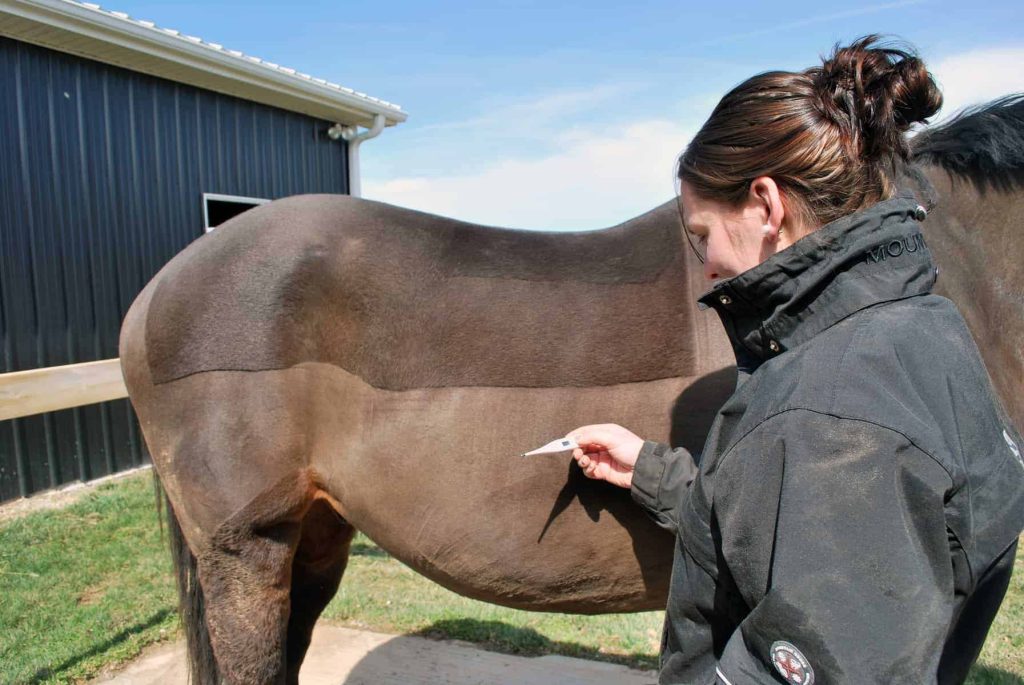
The 11-year-old Warmblood gelding began exhibiting an intermittent fever on March 1, tested positive for EHV on March 5, and is recovering.

A reader’s first-cutting hay brought in right from the field feels a bit damp. Our nutritionist explains why she should be cautious and how to tell if the forage is safe to feed her horses.

Diagnosing EMS and taking steps to manage it can allow your horse to live a healthy and productive life.

The transition from baby to permanent teeth often goes smoothly, but issues can arise along the way.

The Canadian Animal Health Surveillance System said the horses were epidemiologically linked to a previously identified case in Alberta and were sampled as part of an ongoing disease investigation.