Top Equine Surgery and Lameness Studies of 2018
Dr. Wes Sutter recaps studies on MRI for diagnosing hock problems, tieback surgery, evaluating suspensory ligament branch injuries, nerve blocks, and more.

Dr. Wes Sutter recaps studies on MRI for diagnosing hock problems, tieback surgery, evaluating suspensory ligament branch injuries, nerve blocks, and more.
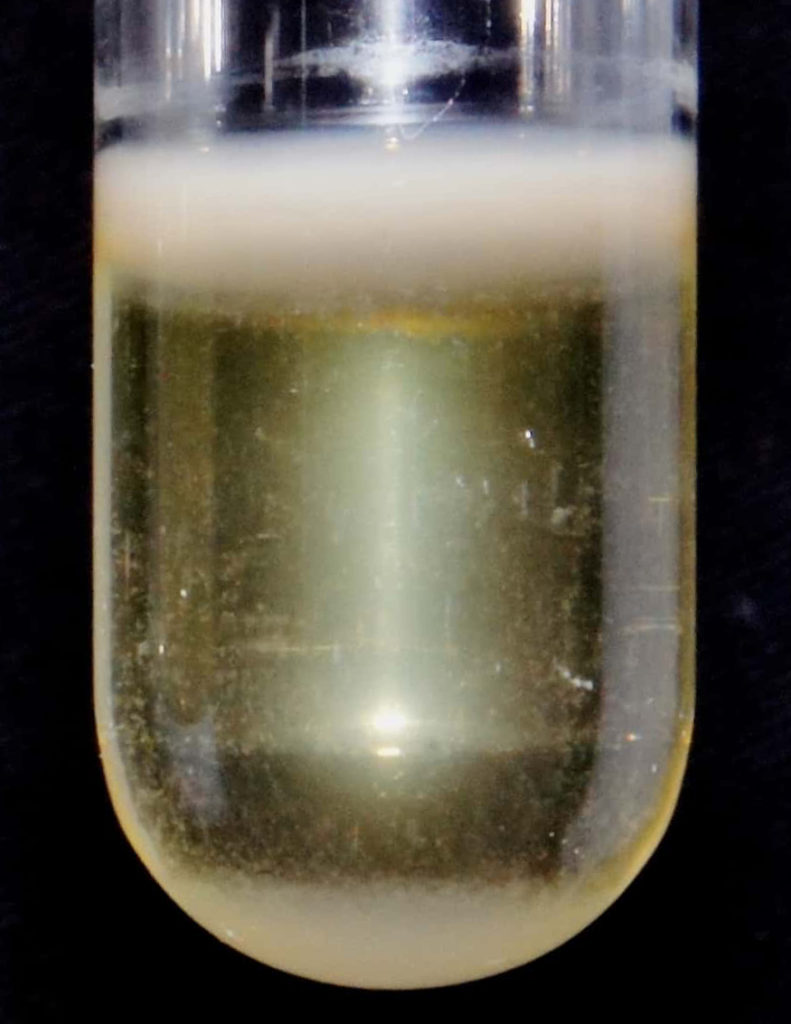
One veterinarian has confirmed that a combination of drugs can disrupt biofilms in mares with endometritis, potentially making the uterus a happier place for embryo attachment and pregnancy.

Horses consuming a particular supplement had higher high-molecular-weight adiponectin blood concentrations and lower insulin concentrations than when they didn’t consume it. And this, researchers say, could help reduce laminitis risk. Here’s why.
Dr. Dominic Dawson, an internal medicine specialist at the University of California, Davis, discusses important old horse dental issues and makes dental care recommendations for aging equids.

The older equine population is at greater risk of developing debilitating endocrine disorders such as insulin dysregulation and equine metabolic syndrome, all of which are best identified and treated as early as possible.
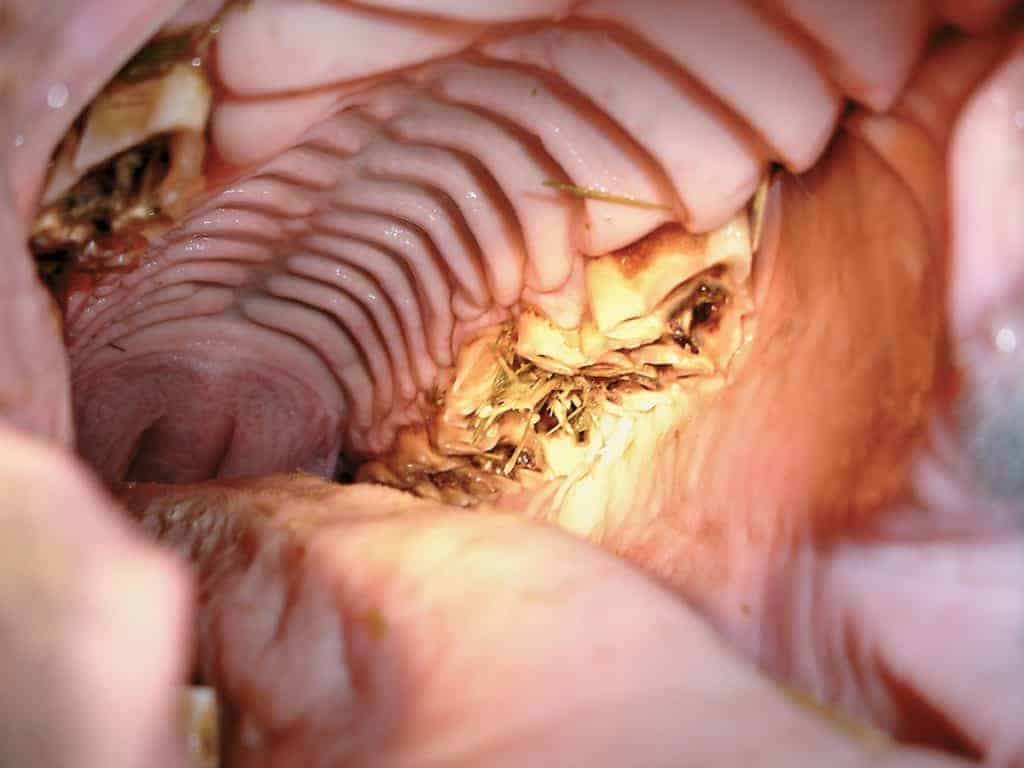
Are your horse’s teeth bothering him? Here are some common signs to watch for.

Researchers found that both basal and post-oral-sugar-test insulin responses vary across seasons in horses with insulin dysregulation.

The Florida Department of Agriculture and Consumer Services confirmed a positive case of EIA in a horse at Gulfstream Park, a racetrack in Broward County, Florida.
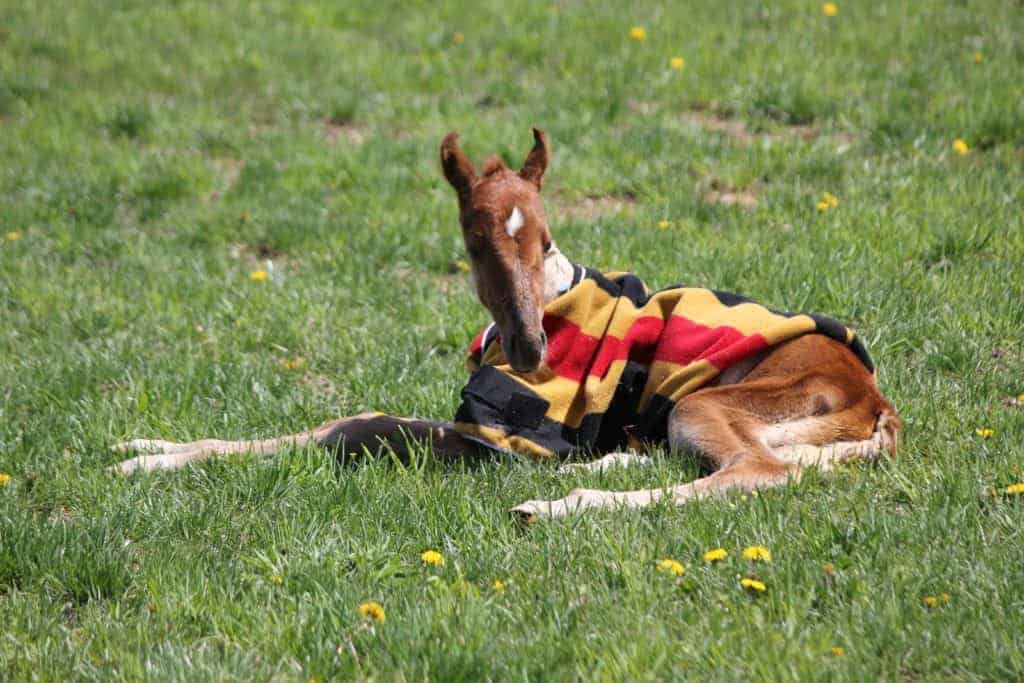
Your horse needs a strong immune system to stand up to the challenges that come with living outdoors, commingling with other equids, and more. Critical to that immune system are infection-fighting proteins called antibodies (immunoglobulin G, or IgG). How much do you know about your horse’s IgG levels?
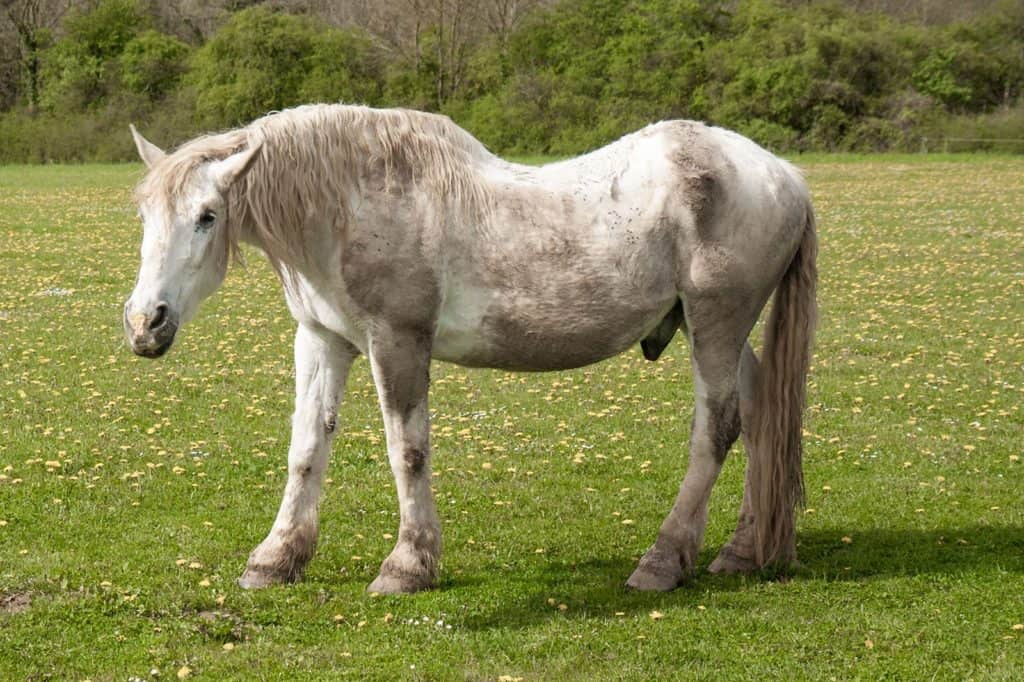
A swollen sheath might be a minor issue, but it also could have more serious implications, one veterinarian says.

The foal’s dam developed atypical myopathy in the sixth month of gestation. The foal, born at full term, was eventually euthanized due to atypical myopathy complications.
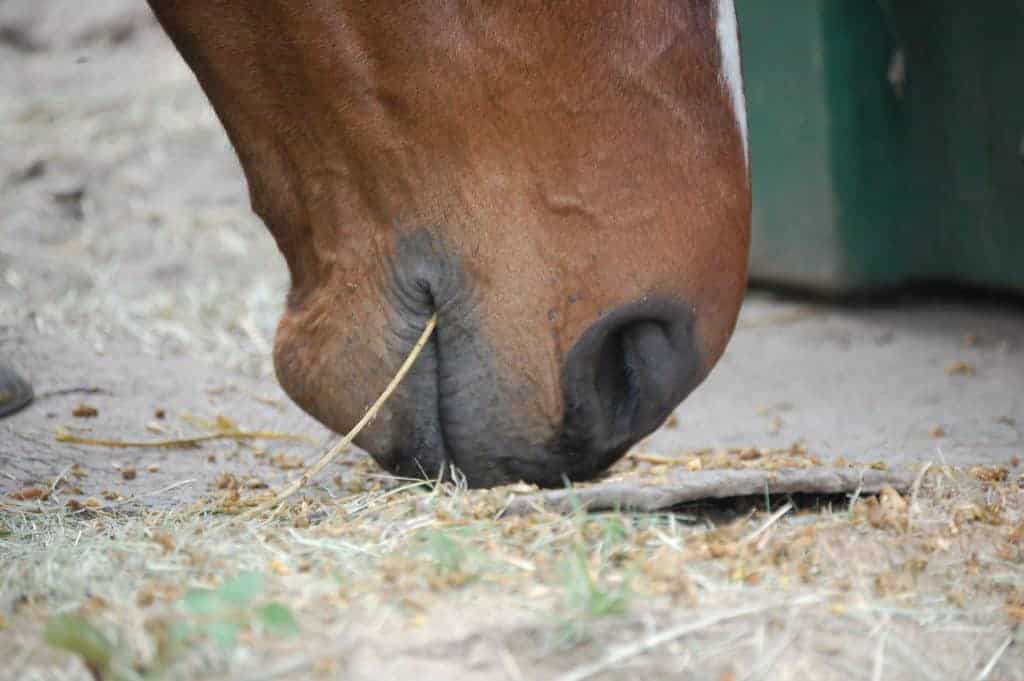
Does your horse fling food all over his stall during meal time? Our nutrition expert shares some tips you can try to keep your horse’s enthusiastic eating behaviors from wasting feed.

A week prior to the abortions, two horses on the same farm developed clinical signs consistent with the neurologic form of EHV-1. These horses were euthanized and no further diagnostic testing was performed, OMAFRA said.

There are two EHV cases—including one EHM case—and three suspect cases at a single Morgan County facility.
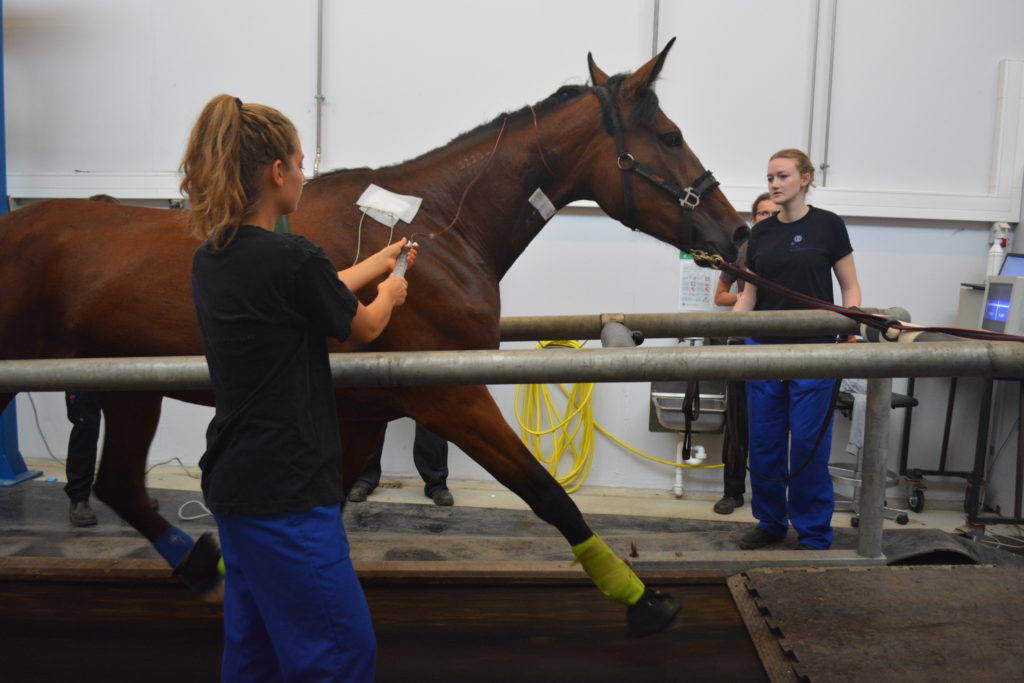
Researchers observed abnormally high heart rates and atypical heart beats in horses with atrial fibrillation, findings they said were surprising and scary.
The affected horse became ill on Jan. 5, was treated Jan. 6, and was euthanized later that day.