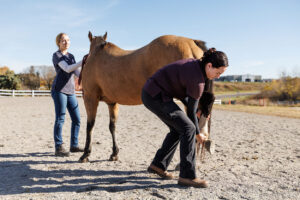
TheHorse.com’s Top Special Features of 2018
Learn about colic, EPM, core vaccinations, biosecurity, donkeys, and more in our special features.

Learn about colic, EPM, core vaccinations, biosecurity, donkeys, and more in our special features.

Find information on stress in horses, antibiotic use, scratches, conditioning, equine allergies, and more.
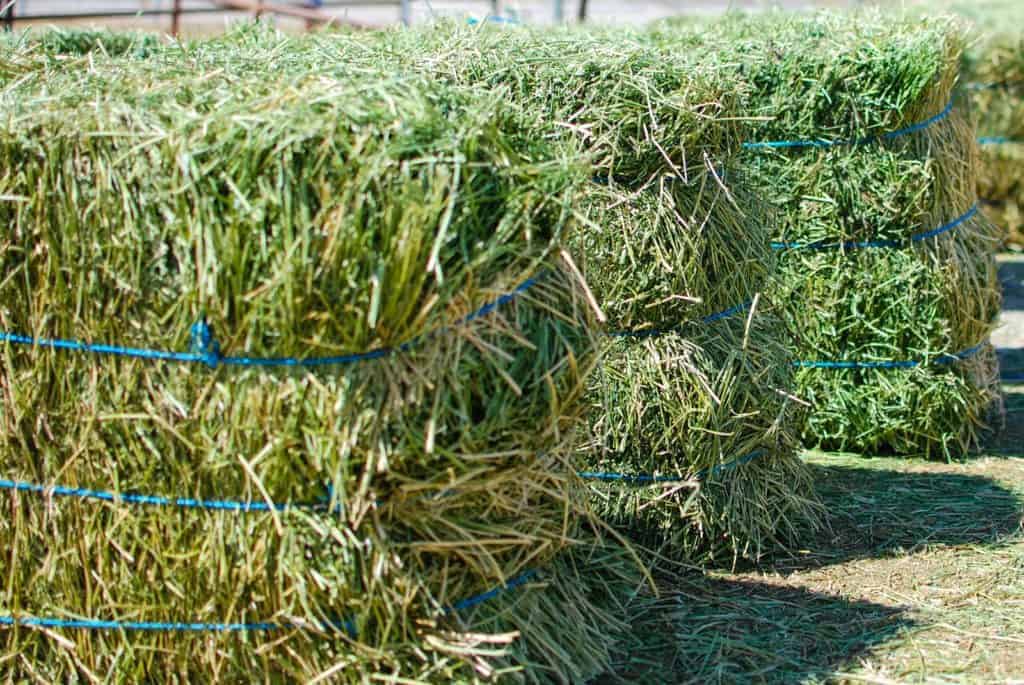
Articles on laminitis, alfalfa, horse/human interaction, and hoof problems were among the most-read in 2018.
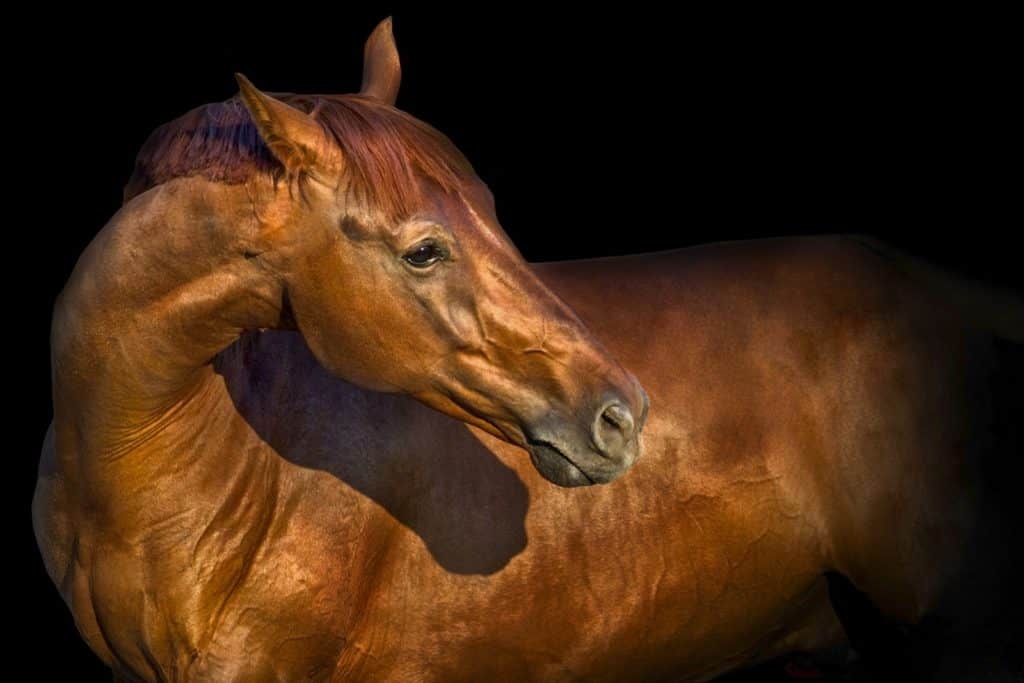
Being well-prepared for colic could mean the difference between life and death for your horse. Here’s what you need to know.

Researchers have suggested a link between DDSP and lower airway inflammation in racehorses, but the concept hadn’t been explored in sport horses. So, scientists in Belgium reviewed medical to identify instances and outcomes of DDSP treated medically.
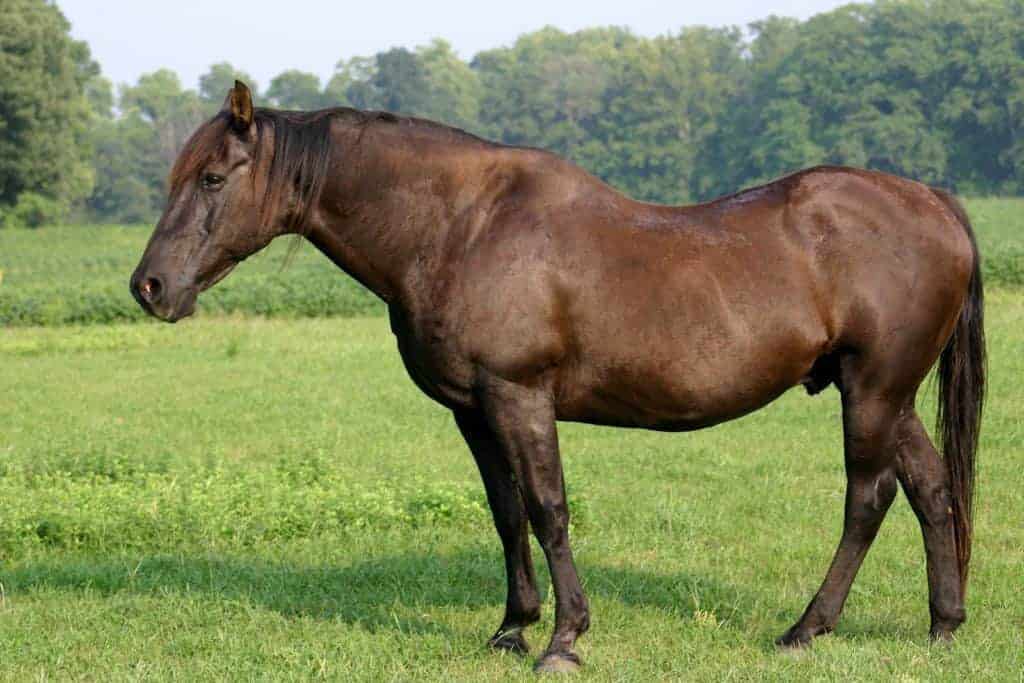
While researchers have discovered much about EMS over the years, there’s still more to learn not only about the link between obesity, insulin, and laminitis but also how to manage animals to help prevent them from becoming obese and/or developing insulin dysregulation.

Knowing elimination risk factors can help veterinarians, riders, and trainers make informed decisions to safeguard endurance horse welfare, researchers say.
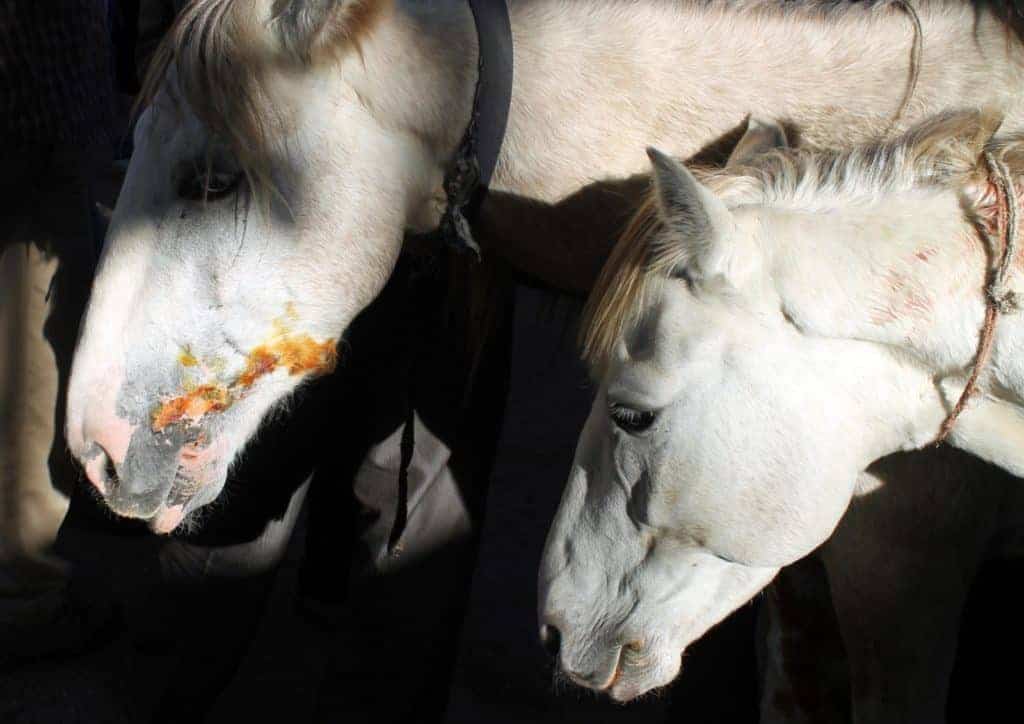
Humans rely on the majority of horses, donkeys, and mules in Sub-Saharan Africa for working purposes. If illness, such as ELZ, stops the animals from carrying loads or pulling carts for agriculture or transport purposes, the dependent family’s income can suffer significantly.

Is it dangerous for my horse to graze near areas with black walnut trees and walk through fallen walnuts?

Two horses residing on one premises in Cariboo Sub. B., British Columbia, Canada, tested positive for EIA. A veterinarian tested the horses as their owner suspected they’d been exposed to EIA, but neither horse was showing signs of disease at sampling.

The unvaccinated 17-month-old grade filly was euthanized.
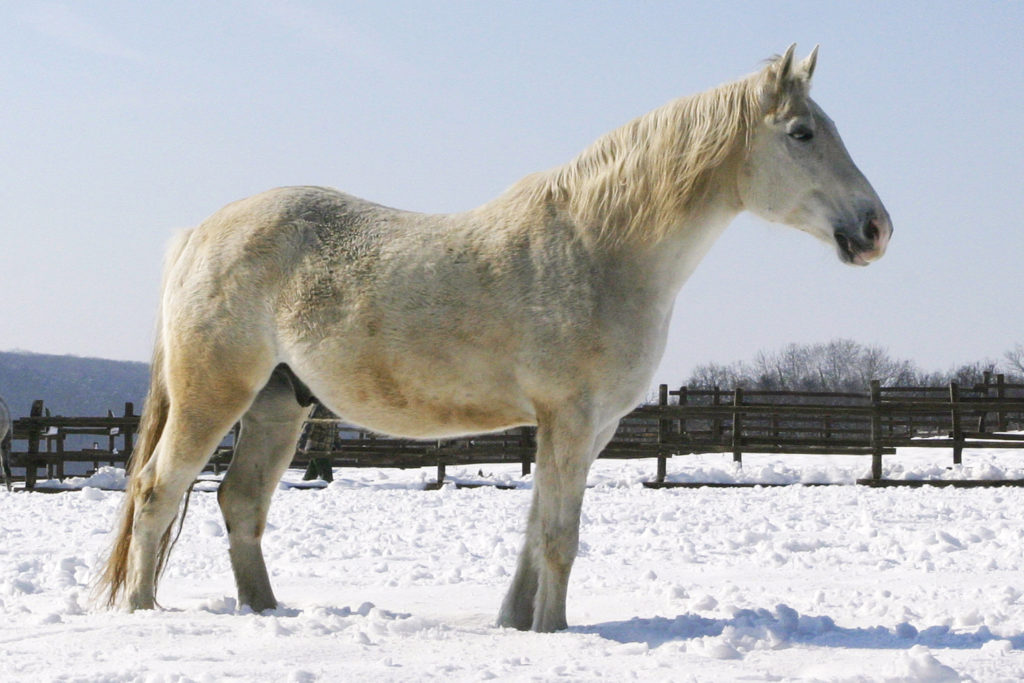
With proper care, senior horses can prosper. Here are a few points to consider.

Two horses have been euthanized, and the eight horses remaining on the premises are being monitored for clinical signs of EHV-1 infection.

Researchers know horse body weight, BCS, and body fat percentage appear to be correlated with blood concentrations of PGE2—a joint damage marker.

Fats serve many important functions for horses, from increasing calorie consumption to reducing gastric ulcer severity.

Read the latest in equine health research, news, and information presented at the 2018 British Equine Veterinary Congress in Birmingham, England.