Tips for Feeding Horses That are Messy Eaters
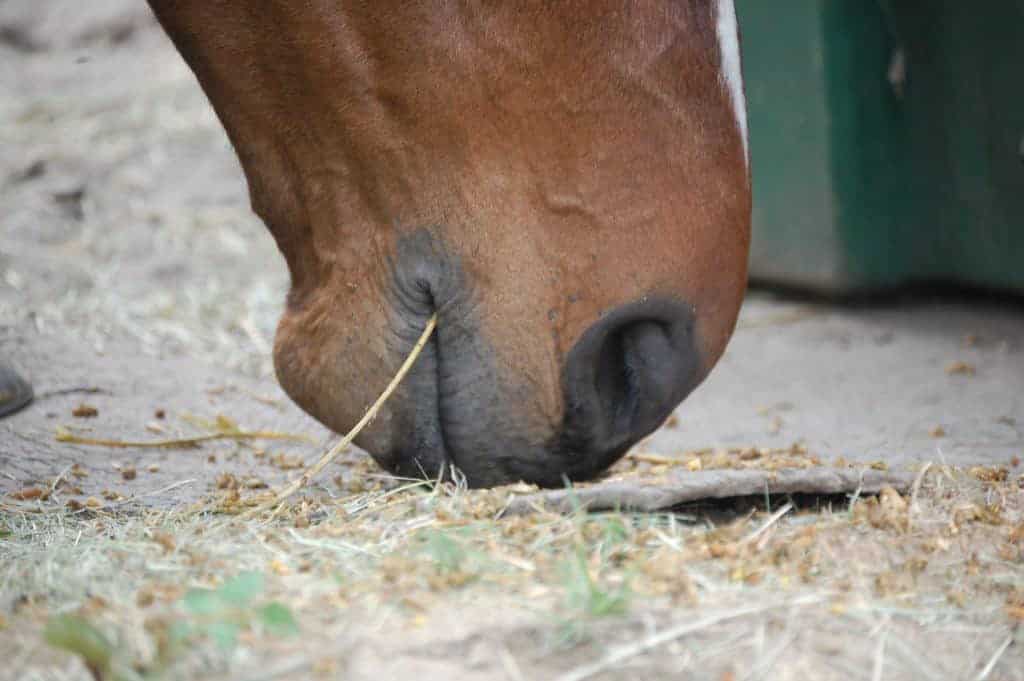
Does your horse fling food all over his stall during meal time? Our nutrition expert shares some tips you can try to keep your horse’s enthusiastic eating behaviors from wasting feed.

Does your horse fling food all over his stall during meal time? Our nutrition expert shares some tips you can try to keep your horse’s enthusiastic eating behaviors from wasting feed.

A week prior to the abortions, two horses on the same farm developed clinical signs consistent with the neurologic form of EHV-1. These horses were euthanized and no further diagnostic testing was performed, OMAFRA said.

There are two EHV cases—including one EHM case—and three suspect cases at a single Morgan County facility.
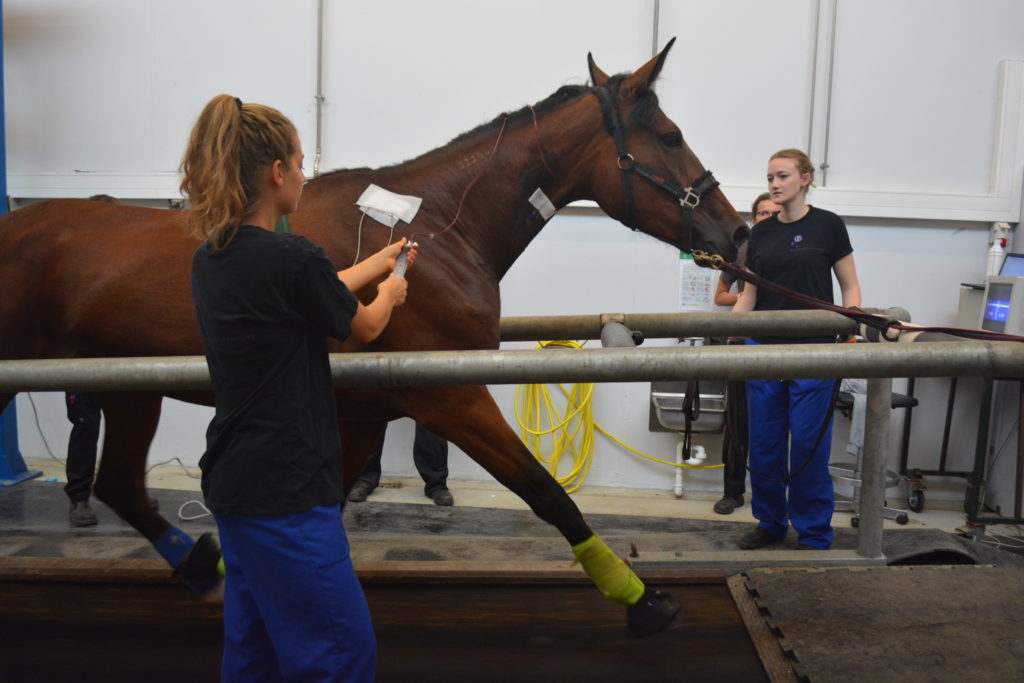
Researchers observed abnormally high heart rates and atypical heart beats in horses with atrial fibrillation, findings they said were surprising and scary.
The affected horse became ill on Jan. 5, was treated Jan. 6, and was euthanized later that day.
The USDA APHIS Miami Animal Import Center, in Florida, temporarily stopped accepting new equine imports Jan. 19 due to a suspected salmonellosis outbreak.
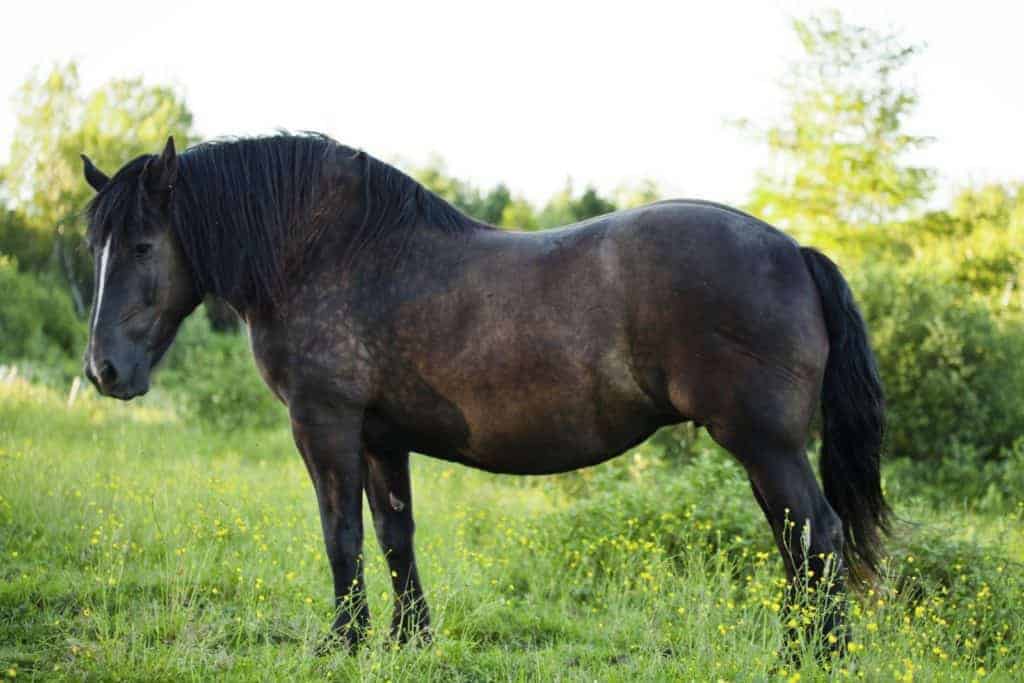
Studies suggest that more than half of certain horse populations in the U.K. are overweight or obese. As such, BEVA urges owners to act now to reduce the risk of their horses suffering weight-related health and welfare risks come spring.

Some horses that consume monensin eventually recover—a few even return to work—but it hasn’t been clear how toxicity impacted their hearts and subsequent athletic performance. Here’s what researchers learned.

Round broodmares grazing on lush pastures might make an idyllic picture, but danger could lurk in the grass. Download this special report to learn more about fescue toxicosis, its cause, prevention, and available treatment.
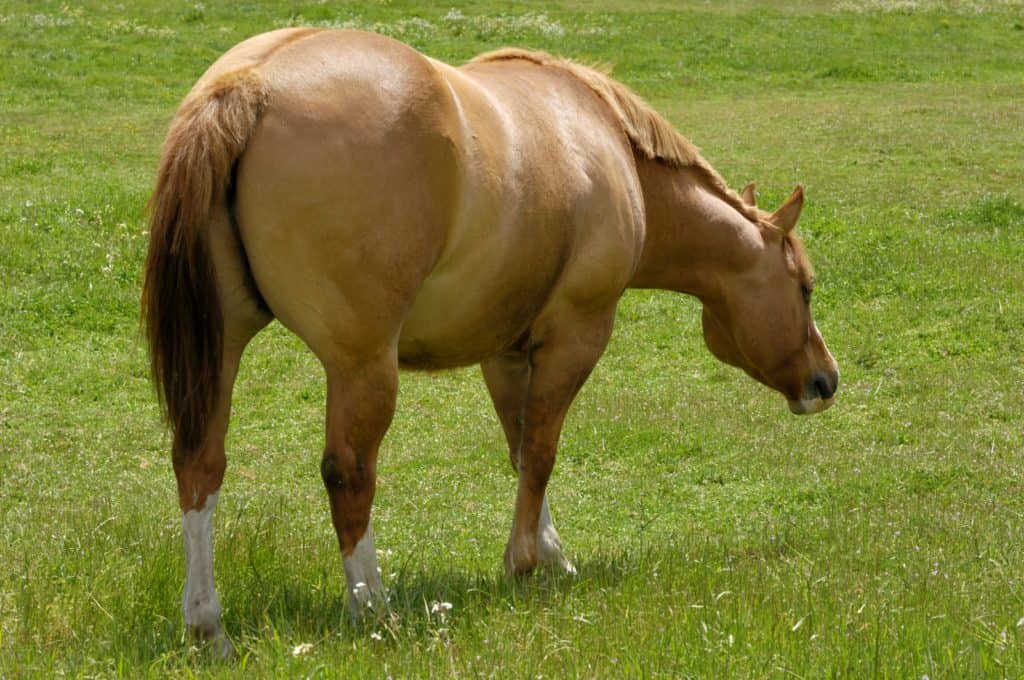
Is it safe to breed a mare who has equine metabolic syndrome and a history of laminitis? Reproduction expert Dr. Ryan Ferris offers insight.

Six other horses from the same Rutherford County farm tested negative but will remain quarantined until they are tested a second time.

The three affected Quarter Horses from Paulding County have been euthanized.
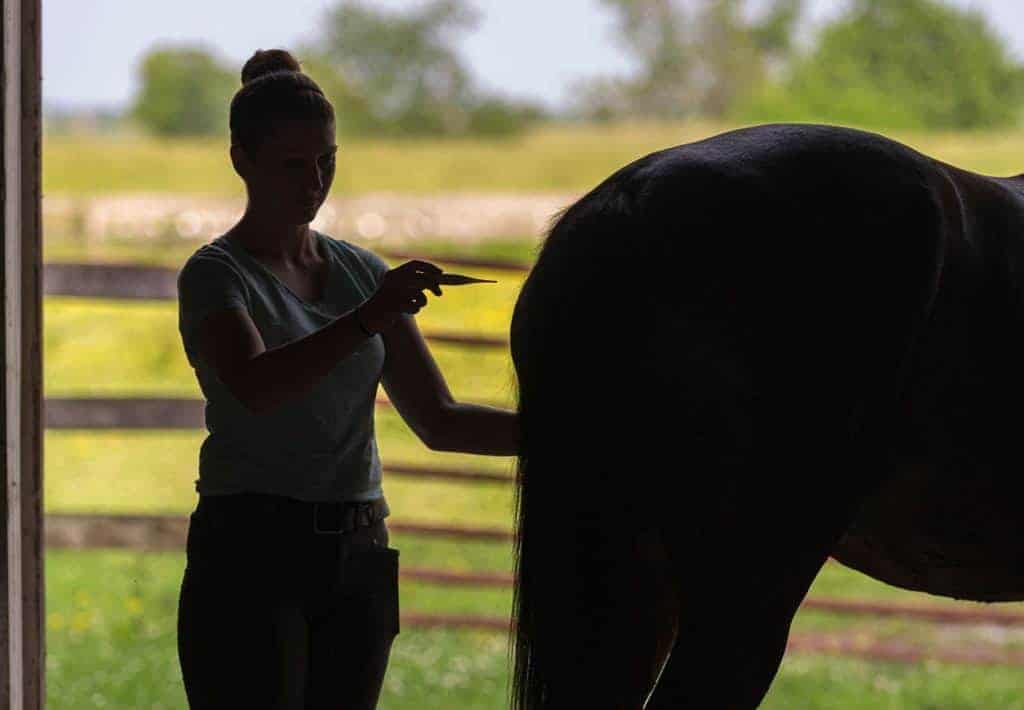
The affected mare exhibited neurologic signs of disease. She and the other horses residing at the farm have been quarantined.

Horses need access to fresh and unfrozen water during the winter months. Here’s what to remember.
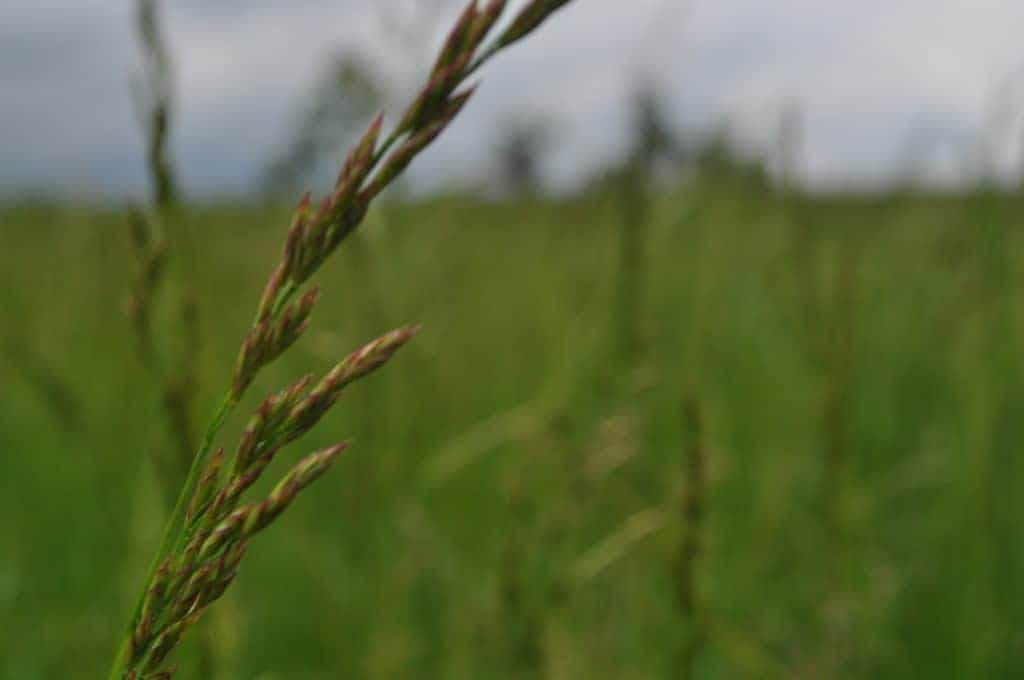
Tall fescue is one of the most widely grown perennial grasses in the world and covers approximately 37 million acres in the United States alone. But some varieties can be detrimental to horses. Here’s what you need to know if you have tall fescue in your pastures.
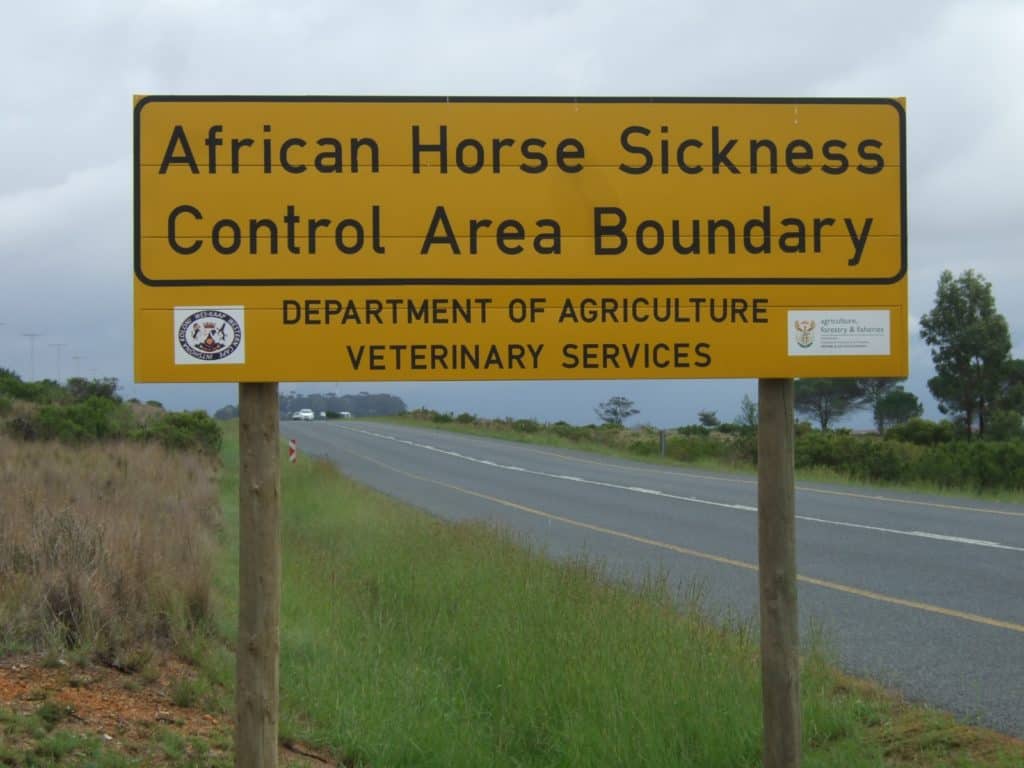
Researchers showed that the VP7 blocking ELISA test is highly reliable and works in exactly the same way every time its used, an important factor African horse sickness control and monitoring.