Study: Surgery Can Save Horses That Eat Wire
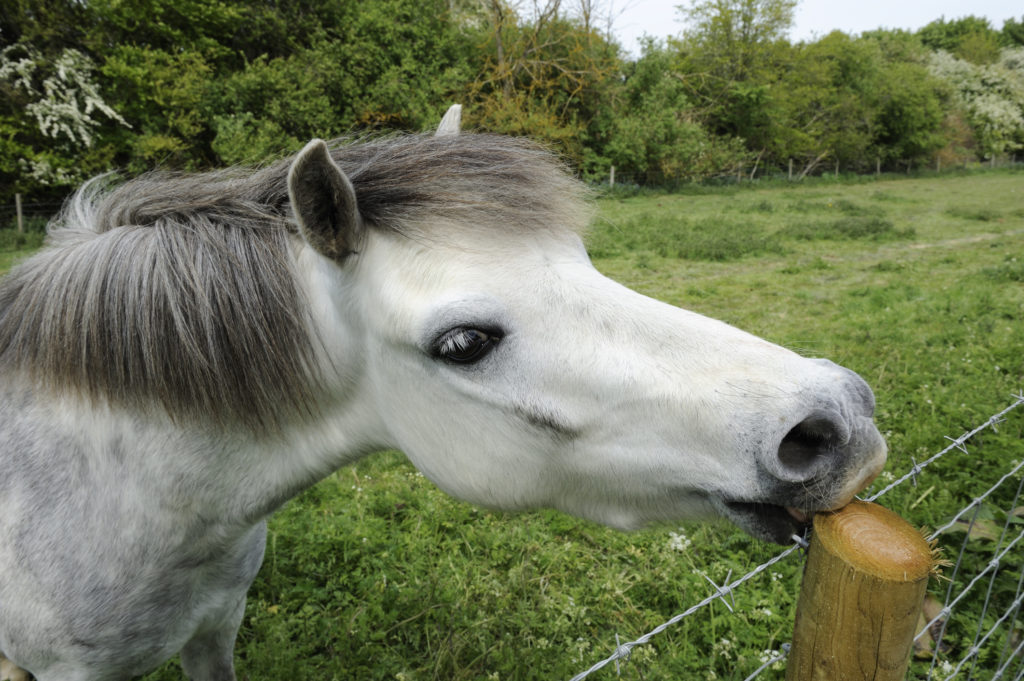
While wire ingestion was once considered a death sentence, researchers recently found that surgery can save some affected horses, especially if the foreign body is identified and treated early.

While wire ingestion was once considered a death sentence, researchers recently found that surgery can save some affected horses, especially if the foreign body is identified and treated early.

Officials confirmed three EIA cases in horses from Kaufman, Tarrant, and Tom Green counties.

This is the fourth confirmed case of WNV in North Carolina horses in 2018.
Vitamin E deficiencies can cause neurologic and other health problems in horses. As such, at-risk horses—from breeding stock and foals to equine athletes and pasture pets—might benefit from supplementation.

The unvaccinated 7-year-old Percheron gelding presented with hind-limb ataxia and muscle fasciculation but has a favorable prognosis for recovery.
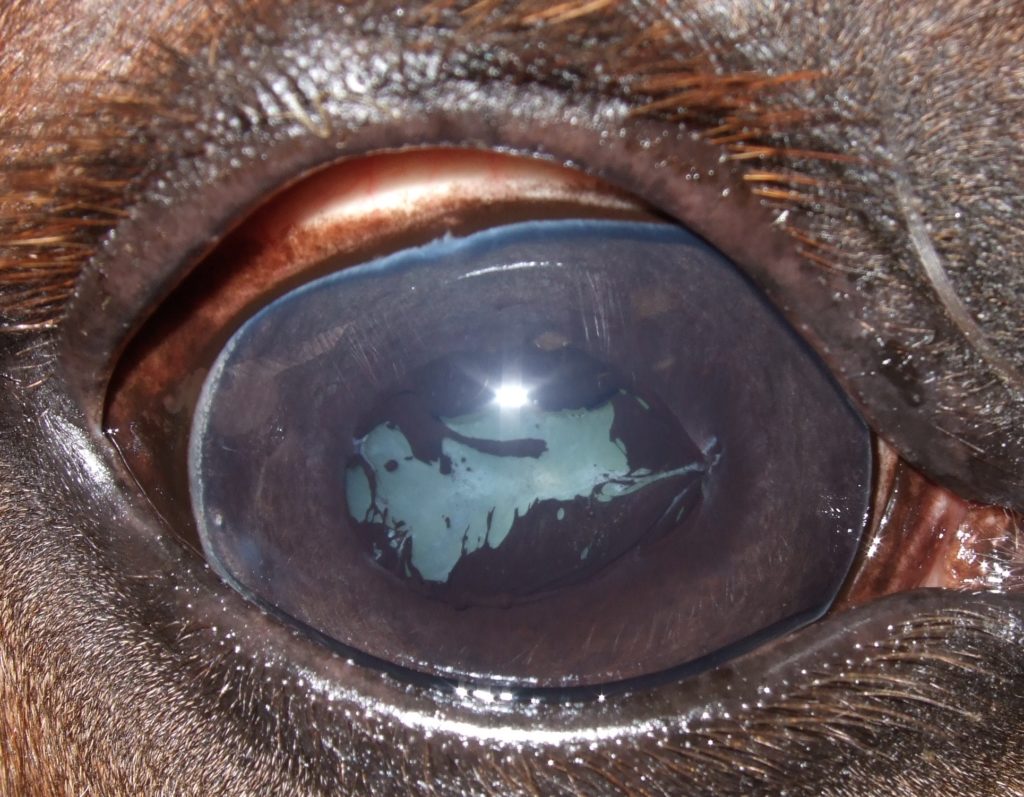
Equine recurrent uveitis (ERU) is an incurable and painful eye condition that can result in vision loss and reduce affected horses’ function and value. Here’s a look at the latest research and findings on this frustrating condition.
The two new cases—confirmed in a donkey from Medina County and a Belgian mare from Wyandot County—bring Ohio’s case-count total to 50 so far this year.
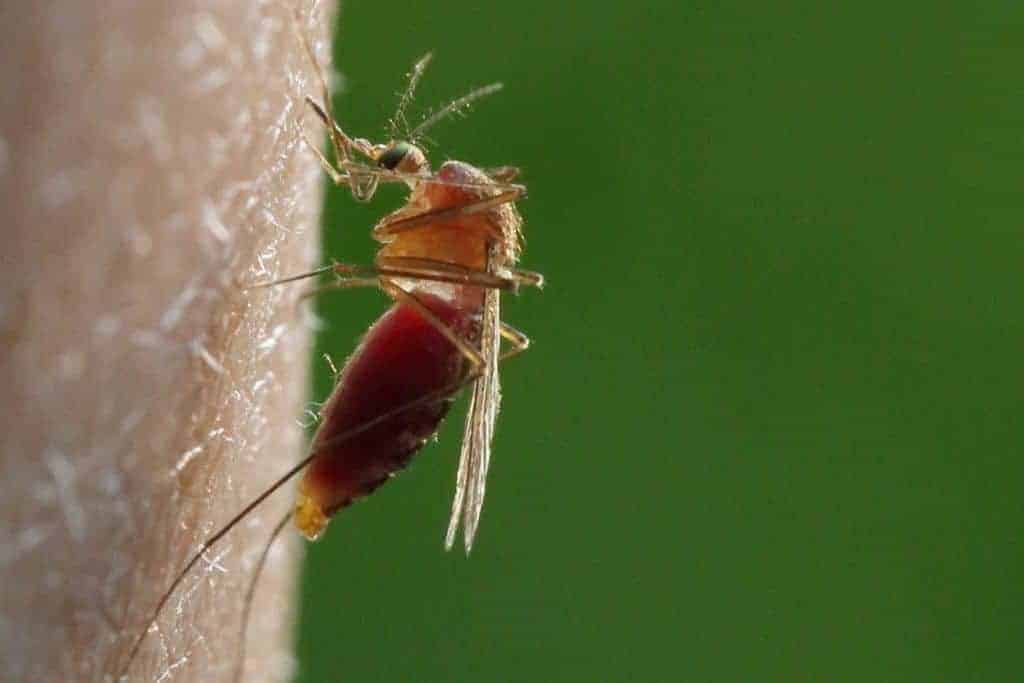
The unvaccinated horse in Davie County is the fourth North Carolina horse to test positive for WNV this year.

A yearling Grade filly with unknown vaccination history began displaying neurologic signs. She tested positive for WNV and was euthanized.

The horse, from the municipal district of Bonnyville, had been sampled by an accredited veterinarian to comply with U.S. import conditions
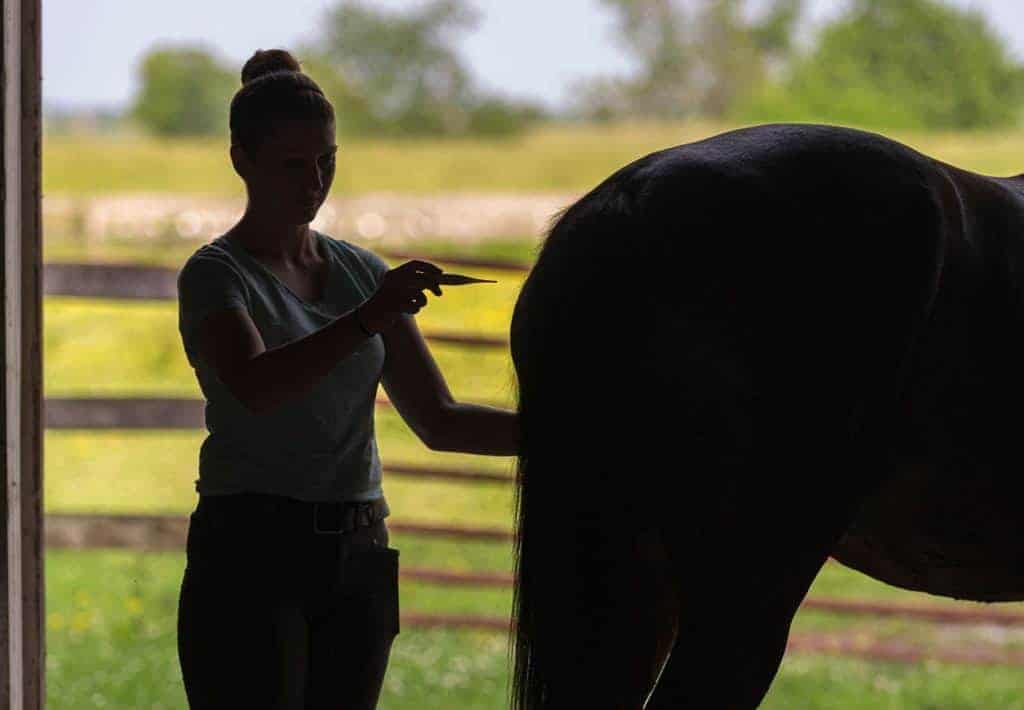
The 24-year-old Arabian mare, who was exhibiting neurologic signs of disease, has been quarantined.

Learn why antibiotics are used to treat certain infections in horses and how you can help prevent antibiotic resistance.

An 8-year-old Tennessee Walking Horse mare from Warren County tested positive on Nov. 1. Her vaccination status is currently unknown.
An investigation is ongoing, but this case appears to be unrelated to two other confirmed cases of EIA in Colorado this year.
The Wyoming Livestock Board completed the 60-day post-exposure tests on 61 equids residing at 12 premises in eight counties. All test results were negative.
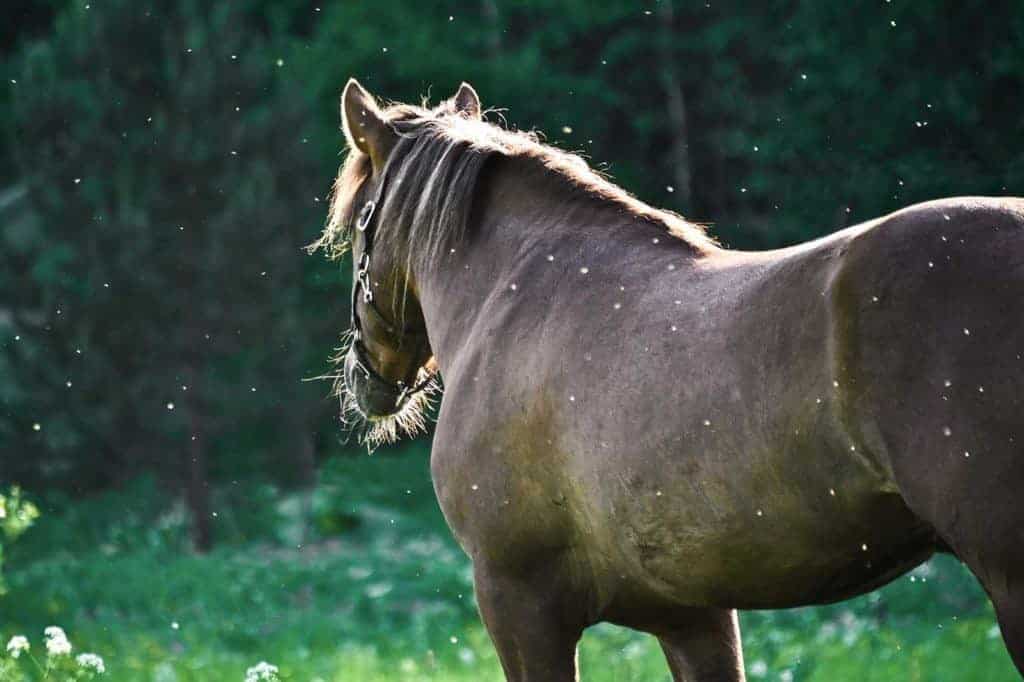
Learn how rising temperatures and higher rainfall totals might lead to an increased risk of mosquito- and tick-borne disease in horses.